
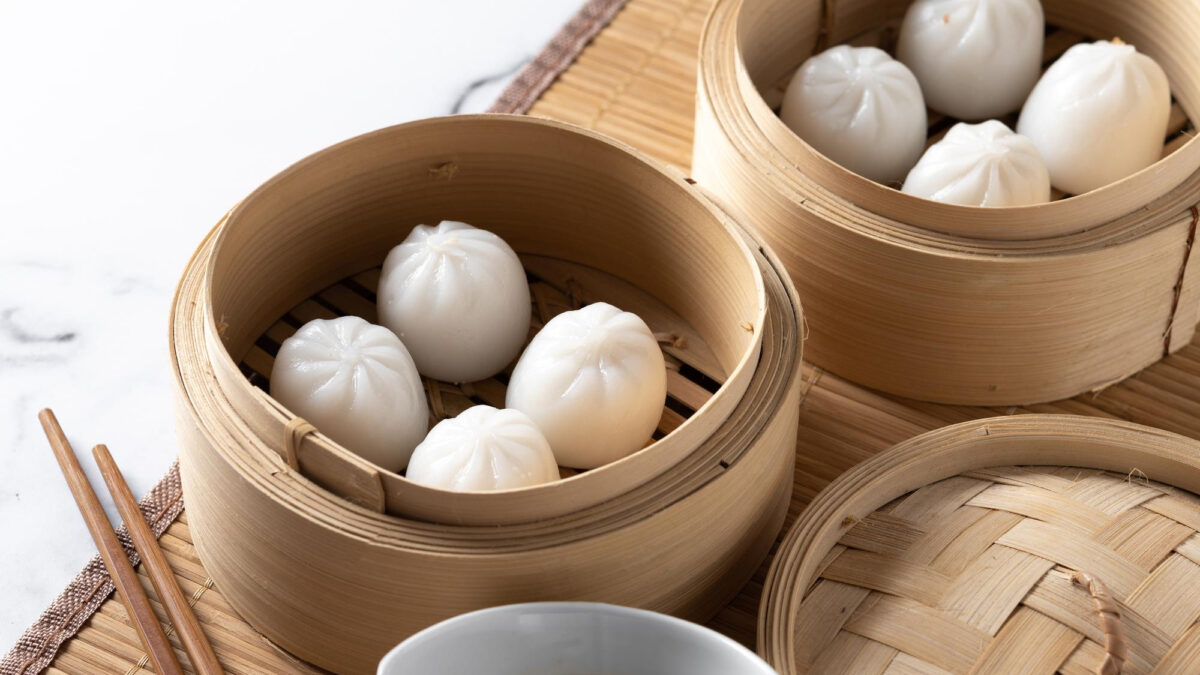

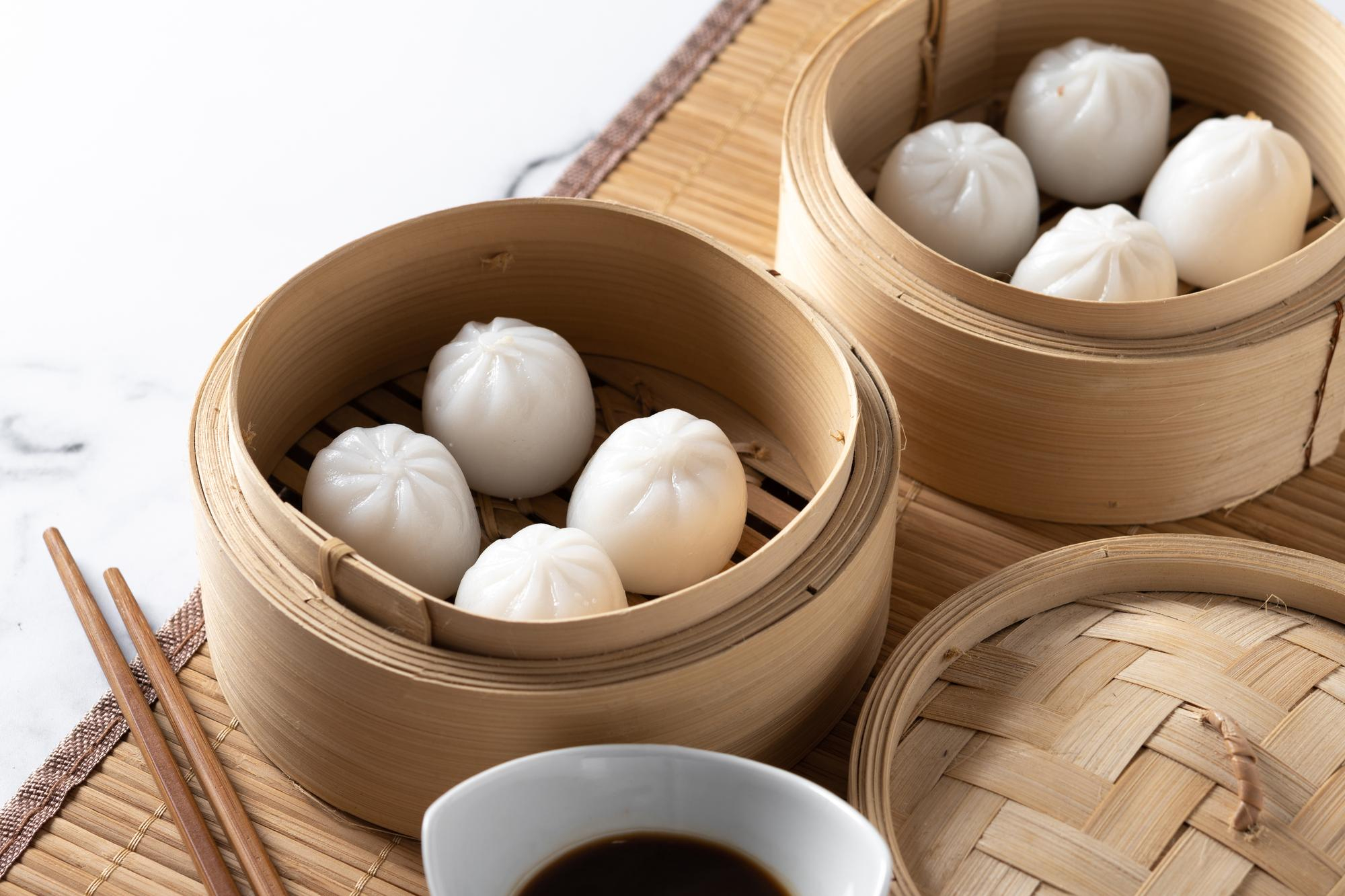
Dim sum in Hong Kong isn’t just “a meal.” It’s a social ritual with steam, tea, noise, and a rhythm that feels like a living thing. You sit down, the tea arrives, and suddenly your table is a tiny universe of bamboo baskets—shrimp dumplings glowing through their wrappers, custard buns trying their best not to burst, and crispy things that crackle when you bite.
For tourists, that’s the magic and the challenge.
Because “best dim sum” can mean wildly different things depending on what you want: a historic teahouse where the room hums like an old movie set, a famous budget spot with an efficient line, a glossy banquet hall with dim sum trolleys rolling by like dessert carts’ cooler older cousin, or a Michelin-starred lunch where dim sum feels… engineered.
This guide is built for visitors who want the real experience without wasting time, getting overwhelmed, or accidentally ordering twelve plates of the same dumpling (it happens).
What “best” actually means in Hong Kong
A quick truth: there isn’t one single “best” dim sum place. There are best experiences.
Here are the main “lanes” tourists usually love most:
- Classic yum cha chaos: noisy rooms, shared tables, lots of movement, very local energy.
- Old-school icon: historical vibes, traditional service style, and a sense you’re stepping into another era.
- Trolley service nostalgia: pushcarts (now rare) and a big hall atmosphere.
- Michelin splurge: refined Cantonese technique, fancy room, higher price, calmer pace.
- Off-hours adventure: early-morning dim sum that feels like you discovered a secret level of the city.
Dim sum culture in Hong Kong is tied to yum cha—literally “drink tea”—and it’s traditionally a morning-to-lunch social gathering with shared plates.
Yum cha basics (so you don’t feel lost)
First thing: tea comes first. In traditional places, you order tea right away, then start choosing dishes.
Second thing: dim sum is made for sharing. Most plates come in small portions (often a few pieces) so a table can try lots of things.
Third thing: service style varies:
- Order-sheet style: you tick boxes on a paper menu (common at casual spots).
- Pushcart / trolley style: carts roll around; you point at what you want (more old-school).
- Upscale menu style: you order like a fine-dining meal, but the food is still dim sum.
One last cultural detail that’s fun to know: if someone pours tea for you, locals may tap two fingers on the table as a quick “thanks” gesture.
The best dim sum in Hong Kong for tourists (the short list that actually works)
Below are spots that hit different “lanes” and are practical for visitors—easy enough to find, worth the effort, and memorable for the right reasons.
1) Tim Ho Wan (Sham Shui Po) — famous, affordable, and fast-moving
If you want a globally known dim sum name that still feels like Hong Kong, this is the easy win. It’s famous for skilled, attractively priced dim sum and a menu that focuses on core classics (with some items rotating).
It also has serious MICHELIN Guide pedigree: the brand notes its Hong Kong recognition across 2010–2021.
Don’t miss (great first-timer order):
- baked BBQ pork buns (char siu)
- shrimp dumplings (har gow)
- steamed beef balls
Tourist notes: Expect a line at peak hours. Go earlier in the day, or aim for a slightly off time (late morning or mid-afternoon) if your schedule allows.
2) Lin Heung Tea House — the historic “movie-scene” teahouse
If you want dim sum that feels like time travel, this is the one. It’s a legendary institution with deep roots (founded in the late 19th century) and a reputation for traditional dim sum.
It closed in 2022 and reopened in 2024 in its original Central location—so it’s very much back on the tourist map.
It’s also been featured in films like In the Mood for Love and The Longest Summer, which tells you a lot about the atmosphere you’re walking into.
What makes it special: traditional service energy, classic dishes, and the feeling that you’re seeing a living piece of the city.
Tourist notes: You might share a table and you may need to be a little assertive. That’s part of the charm.
3) Luk Yu Tea House — polished old-school vibes in the middle of the city
This is a great “Central afternoon” choice: classic, atmospheric, and extremely popular with both regulars and visitors.
The Michelin inspectors describe it as traditional, flavoursome, and busy across its multiple floors.
Why tourists love it: It’s historic-feeling without being chaotic in the same way as the most old-school teahouses, and it’s in an easy area for sightseeing.
4) City Hall Maxim’s Palace — trolley service and a big-hall dim sum “spectacle”
Pushcarts are getting rarer, which is exactly why this place is worth doing at least once if you’ve never experienced trolley dim sum. It’s known for old-school dim sum trolleys and a huge menu range.
Victoria Harbour views don’t hurt either.
How it works: carts roll by with English + Chinese labels in front; you point and choose.
Tourist notes: It can be confusing the first five minutes—then suddenly it’s the most fun you’ve had at lunch.
5) Duddell’s — Michelin-starred Cantonese with dim sum energy
This is your “dress a little nicer” dim sum option.
The Michelin listing recognizes it as one star (high quality cooking). And the venue highlights dim sum as a major part of its lunch offering.
Why it’s good for tourists: You get dim sum with a calmer pace, a beautiful setting, and a more curated feel—without losing the Cantonese soul.
6) Lung King Heen — a world-famous dim sum lunch splurge
If you want the “once in a trip” luxury dim sum moment, this is the iconic choice inside Four Seasons Hotel Hong Kong.
Michelin describes its dim sum lunch as a delight, paired with panoramic harbour views. The hotel itself notes it was famously the first Chinese restaurant to receive three Michelin stars, and currently holds two stars in the 2025 Michelin Guide.
Practical tourist tip: Look up the current dim sum lunch menus and pricing before you go so there are no surprises.
7) Yat Tung Heen — Michelin star, surprisingly approachable
For tourists who want Michelin-level Cantonese (including dim sum) without the full luxury price tag, this is a smart pick.
Michelin highlights it for refined Cantonese cooking and says dim sum is hugely popular. The restaurant also states its Michelin-star run across 2017–2025.
A major bonus: it’s known for weekday lunchtime value—Bloomberg specifically calls out weekday specials with dim sum starting at HK$38 (menu-dependent).
It’s located in Eaton HK, which is easy to reach if you’re exploring Kowloon.
8) Sun Hing Restaurant — the 3 a.m. dim sum legend
This is the most “Hong Kong story” pick on the list.
It’s famous for being open from 3 a.m. to 4 p.m. daily, making it perfect for jet lag, night-owl food missions, or early-riser bragging rights.
Time Out calls out essentials like custard buns and har gow, plus the must-try crispy fried milk. Serious Eats adds that it’s loud, chaotic, and very local—and specifically recommends the fried milk and custard buns.
Tourist notes: Expect crowds and fast service. There may be an English menu (and pointing works).
9) Lulu Baobao — Bib Gourmand dim sum without fuss
If you want something recognized for good value and quality, this is a newer-school option.
Michelin lists it as Bib Gourmand (good quality, good value cooking).
It’s in Wong Chuk Hang, which can pair nicely with a more “modern HK” day (especially if you’re exploring the south side).
10) One Dim Sum — no-frills, popular, and worth considering
This is a straightforward “good, casual dim sum” choice that many visitors rank highly for taste and value, even compared with more famous names.
Tourist notes: You’ll likely queue and then order from an order sheet. Keep your order tight at first, then add more once you see what you love.
What to order: the “tourist-proof” dim sum checklist
If you’re new to dim sum, don’t try to order everything. Order a balanced set: a shrimp classic, a pork classic, one bun, one rice/noodle roll, and one crispy item.
Here’s a strong checklist:
- Har gow (shrimp dumplings) — the purity test: thin wrapper, sweet shrimp, clean bite.
- Siu mai (pork + shrimp dumplings) — rich, savory, usually open-topped.
- Char siu bao (BBQ pork bun) — fluffy steamed, or the baked version with a sweet-savory filling.
- Cheung fun (rice noodle rolls) — silky texture; can be filled with shrimp, beef, or served plain with sauce.
- Lo mai gai (glutinous rice in lotus leaf) — sticky rice + chicken; a classic comfort bite.
- Turnip cake (lo bak go) — pan-fried, crispy edges, soft inside (often rolled by on trolleys at big halls).
- Custard buns — sweet-salty, warm, and dangerously easy to eat.
And if you’re feeling adventurous (but still beginner-friendly):
- Beef balls (springy, savory)
- Chicken feet (a classic texture dish; try once if you’re curious)
A simple 2-day dim sum game plan for tourists
You don’t need ten dim sum meals. You need two memorable ones that show different sides of the city.
Day 1: Classic Hong Kong + trolley spectacle
- Morning: go old-school at Lin Heung Tea House (classic yum cha energy).
- Midday: trolley experience at City Hall Maxim’s Palace with harbour vibes.
Day 2: Budget legend + Michelin moment
- Early morning (optional flex): Sun Hing for 3 a.m. dim sum and fried milk.
- Lunch: pick one “star” experience—Yat Tung Heen for value Michelin Cantonese , or Lung King Heen for the full luxury dim sum lunch.
How to order without stress (especially in busy spots)
A few habits make you look like you know what you’re doing:
Start small. Order 4–6 dishes for two people, then add more. Since plates are shareable and often come in a few pieces, it’s easy to over-order.
Try the dumplings plain first. A Food & Wine etiquette tip: dim sum often emphasizes freshness and balance, so taste items like har gow and siu mai before drowning them in sauce.
Use the menu like a checklist. If there’s an English menu, point and smile. If there isn’t, point at other tables (politely) and ask for “this one” energy.
Don’t panic about tea. Tea is part of the experience. You’re not “wasting time” by sipping—yum cha is literally built around it.
What to expect price-wise
Hong Kong dim sum can be cheap, midrange, or luxury—sometimes in the same neighborhood.
A rough, tourist-friendly mental model:
- Budget/local legends: smaller bills, faster pace (Sun Hing is known for low per-dish pricing).
- Central classics & icons: moderate-to-higher, especially for famous rooms (Luk Yu can run higher per portion).
- Michelin lunch experiences: higher spend, more refined service (Lung King Heen menus show premium pricing and seasonal specials).
If you’re trying to keep things predictable, look at menus online when available, and treat Michelin-star lunches as a “planned event.”
A few tourist-friendly pro tips that save real time
Use MTR for most of your moves. It’s fast, readable, and usually the easiest way to bounce between neighborhoods.
Go earlier than you think. The most iconic yum cha spots fill quickly because locals treat it as a weekend ritual, not a tourist activity.
Pick one chaos meal and one calm meal. That combo gives you the full story of dim sum in the city: tradition and modern refinement.
If you only do one “famous” spot: do Tim Ho Wan for the classic-value win.
Final thought: the “best” dim sum is the one you understand
Dim sum isn’t just about checking boxes.
It’s about learning the logic of the table: tea first, share everything, order in waves, and let texture be part of the fun. When you do that, even a simple shrimp dumpling feels like a small lesson in why Hong Kong is one of the great food cities of the world.
