
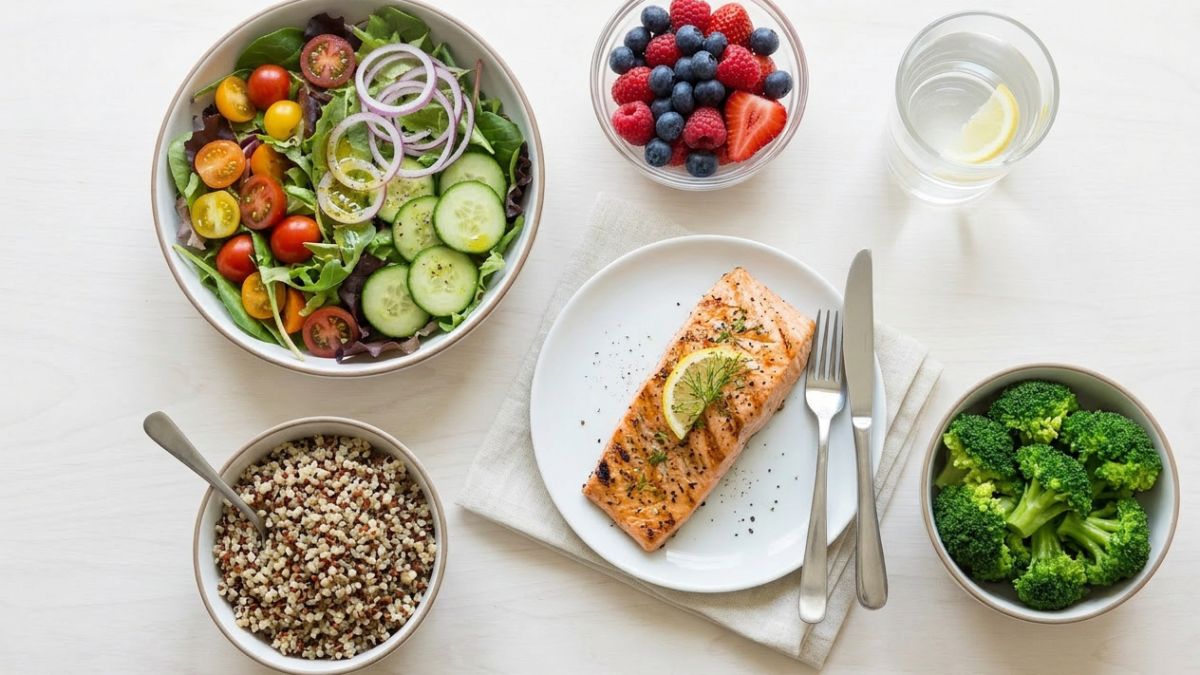

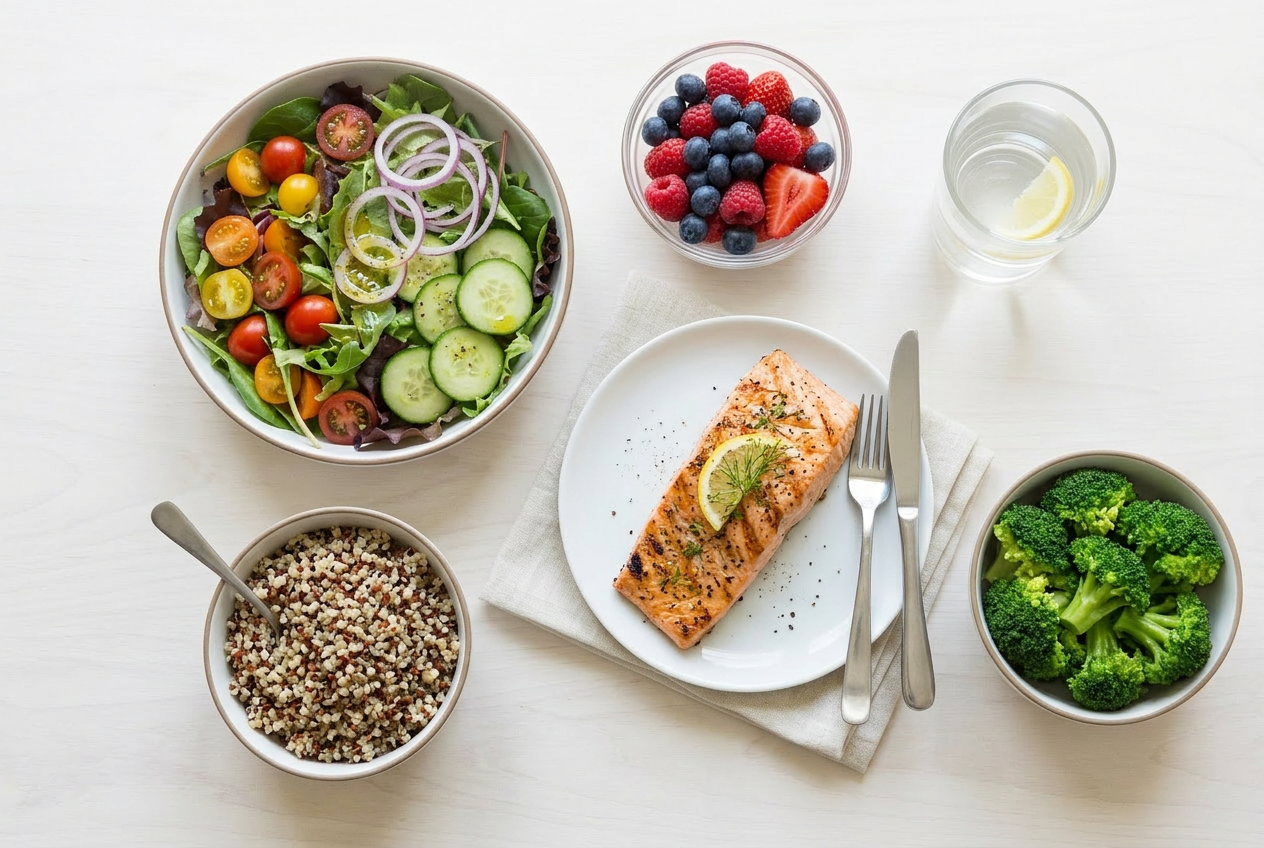
A well-planned type 2 diabetes diet is not about eating perfectly or giving up every food you enjoy. It is about building meals that help keep blood sugar steadier, support heart health, make hunger easier to manage, and fit your real life. Current guidance from the CDC, NIDDK, the American Diabetes Association, and the NHS all point in the same direction: there is no single “best” diet for everyone with type 2 diabetes, but balanced meals built around vegetables, high-fiber carbohydrate foods, lean or plant-based proteins, and healthier fats can make a meaningful difference.
Type 2 diabetes changes how your body handles glucose, so food choices matter. Carbohydrates raise blood sugar most directly, but the full meal matters too. The CDC notes that carbs can raise blood sugar faster or slower depending on what the food is and what you eat with it. For example, juice raises blood sugar faster than whole fruit, while eating carbs with protein, fat, or fiber can slow the rise. That is why a type 2 diabetes diet is less about banning carbs and more about choosing better carbs, balancing portions, and building meals that work consistently.
The good news is that a diabetes-friendly way of eating can still look like normal food. You do not need a separate menu from the rest of your household. You need a structure you can repeat.
What is a type 2 diabetes diet?
A type 2 diabetes diet is an eating pattern designed to help manage blood sugar while also supporting weight, blood pressure, and cholesterol. The American Diabetes Association emphasizes that there is not one eating plan that works for everyone. Instead, meal planning should reflect personal preferences, culture, budget, access to food, and any other health conditions you have. The ADA also recognizes several meal patterns that may help people with diabetes, including Mediterranean-style, vegetarian or vegan, low-fat, low-carbohydrate, very low-carbohydrate, and DASH-style eating patterns.
That flexibility matters. Some people do best with a Mediterranean-style pattern built around vegetables, beans, fish, olive oil, and whole grains. Others prefer a lower-carbohydrate approach. Some need a more budget-friendly routine with frozen vegetables, canned beans, eggs, tuna, oats, and plain yogurt. A strong type 2 diabetes diet is not the one that sounds most impressive. It is the one you can follow week after week.
The main goals of a type 2 diabetes diet
At its core, this way of eating has a few simple goals.
First, it aims to help keep blood glucose in a healthier range. NIDDK notes that a healthy lifestyle and meal plan can help keep blood glucose, blood pressure, and cholesterol in the ranges recommended by your care team.
Second, it helps reduce large blood sugar spikes after meals. Choosing higher-fiber carbs, pairing carbs with protein or healthy fat, and keeping portions reasonable can all help.
Third, it supports heart health. That matters because diabetes can affect the heart and blood vessels, and managing blood pressure and cholesterol is part of diabetes care. Eating patterns like Mediterranean and DASH are often discussed because they emphasize vegetables, whole foods, and lower amounts of saturated fat, sweets, and sugar-sweetened beverages.
Fourth, it should help you feel full and satisfied. A plan that leaves you constantly hungry is hard to maintain. Meals with fiber, protein, and structure are easier to stick with than random restriction.
The easiest place to start: the diabetes plate method
For many people, the simplest way to build a type 2 diabetes diet is the plate method. Both the CDC and NIDDK describe a similar structure using a 9-inch plate. Fill half the plate with nonstarchy vegetables, one quarter with lean protein, and one quarter with carbohydrate foods. Add water or another low-calorie drink on the side. NIDDK also notes that if you are not taking insulin, you may not need to count carbs when using the plate method.
This works because it creates balance without forcing you to measure every bite.
A simple dinner using the plate method could look like grilled salmon, roasted broccoli and peppers, and a modest serving of brown rice. Lunch might be chicken, a large salad, and a small baked potato. Breakfast could be less “plate-like,” but the same principle applies: keep carbs reasonable, add protein, and include fiber.
Best foods to include in a type 2 diabetes diet
The most helpful foods are usually the least dramatic ones. They are ordinary foods you can buy again next week.
Nonstarchy vegetables
NIDDK recommends making nonstarchy vegetables half of your plate. These include leafy greens, broccoli, cauliflower, peppers, cucumbers, tomatoes, mushrooms, green beans, cabbage, and zucchini. They provide fiber and volume without a large carbohydrate load.
High-fiber carbohydrate foods
Carbohydrates are not the enemy, but the type matters. NIDDK specifically highlights high-fiber carb foods such as brown rice, whole grains, beans, and fruit. Higher-fiber carbs usually digest more slowly and can be easier on blood sugar than refined, low-fiber choices. The ADA’s current standards summary also encourages a minimum of 14 grams of fiber per 1,000 calories for people with diabetes or prediabetes.
Good options include oats, barley, quinoa, brown rice, lentils, chickpeas, black beans, whole fruit, sweet potatoes, and whole grain bread with a short ingredient list.
Lean and plant-based proteins
Protein helps with fullness and supports meal balance. NIDDK lists lean meats, fish, dairy, tofu, and other soy products as protein foods that can fill one quarter of the plate. The ADA also highlights fish, chicken, soy products, meats, nuts, and seeds as protein foods, while noting that some choices are leaner than others.
Useful choices include chicken breast, turkey, eggs, Greek yogurt, cottage cheese, tofu, tempeh, edamame, beans, lentils, canned tuna, and salmon.
Healthier fats
A type 2 diabetes diet does not need to be fat-free. The key is choosing fats that support heart health. Mediterranean-style eating emphasizes olive oil, nuts, seeds, seafood, and lower amounts of red meat and concentrated sugars.
Practical options include olive oil, avocado, nuts, seeds, nut butter, and fatty fish like salmon or sardines.
Water and low-calorie drinks
The CDC’s plate method guidance suggests choosing water or a low-calorie drink such as unsweetened iced tea with meals. This is a simple way to reduce sugar intake without changing the meal itself.
Foods to limit, not necessarily fear
A sustainable type 2 diabetes diet does not require a long list of forbidden foods. But some foods are easier to overeat and more likely to cause sharp blood sugar rises or work against heart health goals.
Foods and drinks worth limiting include:
- Sugary drinks like soda, sweet tea, energy drinks, and many coffee-shop beverages
- Refined grains such as white bread, white rice, and many packaged snack foods
- Desserts and sweets that combine sugar with large portions
- Highly processed foods high in added sugars, sodium, and refined carbohydrates
- Large portions of chips, fries, pastries, and similar foods
- Frequent intake of fatty processed meats and foods high in saturated fat
The CDC notes that healthy eating means focusing on whole, nutrient-dense foods while limiting highly processed foods, added sugars, added sodium, and refined carbohydrates. DASH-style eating for diabetes also reduces sweets, sugar-containing beverages, red meat, and saturated fat.
This does not mean you can never eat birthday cake or pizza again. It means these foods should be occasional choices, eaten with awareness rather than as daily defaults.
Carbohydrates matter most, but portions matter too
One of the most important things to understand about a type 2 diabetes diet is that carbohydrates have the most direct effect on blood sugar. The CDC states this clearly: carbohydrates in the food you eat raise blood sugar levels. That is why learning where carbs come from is so useful. Grains, fruit, milk, yogurt, beans, pasta, rice, bread, potatoes, and sweets all contain carbohydrate.
That does not mean every meal should be very low carb. It means your carb intake should be intentional.
For many people, the biggest improvements come from three changes:
Choose higher-fiber carbs more often.
Keep carb portions more consistent from meal to meal.
Pair carbs with protein, fiber, or fat instead of eating them alone.
A bowl of sugary cereal by itself is likely to hit differently than plain Greek yogurt with berries and nuts, or eggs with whole grain toast and fruit. A large glass of juice is likely to raise blood sugar faster than an orange eaten with breakfast. The full meal pattern matters.
Meal timing and regular eating
Meal timing is often overlooked, but it can make a real difference. The ADA’s meal planning guidance suggests eating at regular times and leaving two to three hours between meals so blood glucose has time to come down before the next eating occasion. The CDC also notes that regular, balanced meals can help avoid both high and low blood sugar, and that eating about the same amount of carbs at each meal can be helpful.
Regular eating is especially important if you take insulin or certain glucose-lowering medicines. NIDDK warns that insulin and some medicines, including sulfonylureas, can cause low blood sugar if you skip or delay meals. Low blood sugar is often defined as below 70 mg/dL for many people with diabetes, although your individual target may differ.
That means “eat less” is not always safe advice when diabetes medicines are involved. Structure matters.
Sample one-day type 2 diabetes diet meal plan
Here is a practical example of how a balanced day can look. It is not the only way to eat, but it follows the principles above.
Breakfast
Plain Greek yogurt topped with berries, chia seeds, and a small handful of chopped walnuts, plus one slice of whole grain toast.
This meal includes protein, fiber, and a moderate amount of carbohydrate. It is more balanced than a pastry or sweetened cereal and tends to be more filling.
Lunch
Large salad with mixed greens, cucumbers, tomatoes, peppers, chickpeas, grilled chicken, olive oil, and vinegar, with a small whole grain pita on the side.
This follows the plate method idea even without a formal plate: lots of vegetables, a solid protein source, and a measured carb portion.
Snack
Apple slices with peanut butter, or a small portion of cottage cheese with cucumber and cherry tomatoes.
Not everyone needs snacks. The ADA notes that snacks can be part of a meal plan for hunger management, but it is smart to check whether you are actually hungry or just thirsty first.
Dinner
Baked salmon, roasted broccoli, and a moderate serving of quinoa or brown rice, with water or unsweetened tea.
This is a straightforward dinner template that works well because it is filling, predictable, and easy to repeat.
Dessert
A small serving of fruit, or a modest dessert portion planned into the meal rather than eaten mindlessly later.
Consistency beats perfection.
What about breakfast foods, bread, pasta, and fruit?
These foods often create confusion, but they do not need to disappear from a type 2 diabetes diet.
Fruit can fit. The ADA specifically notes that fruit contains carbohydrate, so it needs to count as part of the meal plan. Whole fruit is generally a better option than juice because juice raises blood sugar faster.
Bread can fit. Choose whole grain bread more often, and watch portion size.
Pasta can fit. Portion size, protein, and vegetables matter. A smaller amount of pasta in a meal with chicken, olive oil, and vegetables is very different from a giant bowl of refined pasta with garlic bread and a sweet drink.
Breakfast can fit too. Oatmeal, eggs, yogurt, cottage cheese, whole grain toast, berries, and nut butter can all work well. The problem is usually not “breakfast foods.” It is oversized portions, sugary cereals, sweet drinks, and low-protein choices that leave you hungry soon after.
Grocery shopping tips for a better type 2 diabetes diet
Shopping well makes eating well much easier.
Build your cart around vegetables, fruits, proteins, and staple high-fiber carbs first. Frozen vegetables are excellent. Canned beans are useful. Plain yogurt is versatile. Eggs, tuna, tofu, oats, brown rice, and peanut butter can stretch a budget.
Read labels, especially on breads, cereals, yogurts, sauces, and snack bars. The CDC advises paying attention to processed foods high in added sugar, sodium, and refined carbohydrates.
Try to keep easy fallback foods at home. A freezer full of vegetables, a few proteins, and some reliable carb staples can stop the last-minute fast-food spiral.
Eating out without ruining your progress
You do not need to avoid restaurants forever. You need a simple decision framework.
Look for meals that resemble the plate method. Aim for a lean protein, extra vegetables, and one reasonable carb source. Ask for fries to be swapped for salad or vegetables when possible. Choose water, sparkling water, or unsweetened drinks most of the time.
You can also manage restaurant meals by eating more slowly, skipping the sugary drink, boxing half if the portion is huge, and not feeling obligated to finish everything served.
A type 2 diabetes diet should work outside your kitchen too.
Common mistakes people make
One mistake is focusing only on sugar and ignoring total meal quality. White bread, oversized pasta portions, chips, and sweetened yogurt can still push blood sugar up even if they do not taste very sweet.
Another is drinking calories. Soda, juice, sweet coffee drinks, and sweet tea can add a lot of fast-absorbing carbohydrate with little fullness. The CDC’s guidance to choose water or low-calorie drinks is simple but powerful.
A third is trying to live on restriction alone. If your meals are too small, too low in protein, or too unsatisfying, cravings usually win later.
A fourth is skipping meals while taking medicines that can lower blood sugar. NIDDK and CDC both warn that missing meals can raise the risk of low blood sugar in people taking insulin or certain diabetes medicines.
A fifth is relying on supplements instead of food habits. The ADA states that supplements are not proven as an effective option for lowering blood glucose or supporting diabetes management unless a deficiency is present.
Does weight loss matter?
For many people with type 2 diabetes, yes. If someone is overweight or has obesity, even modest weight loss can improve blood sugar control and overall health. NIDDK notes that if you are overweight or have obesity, your care team can help you work on weight management through fewer calories, more physical activity, medicines, or other treatments when appropriate.
But the goal should not be crash dieting. The better approach is to make repeatable changes such as replacing sugary drinks, improving breakfast, adding vegetables to lunch and dinner, reducing late-night snacking, and managing portions more consistently.
The best type 2 diabetes diet is the one you can sustain
The most important takeaway is that a type 2 diabetes diet should be realistic. It should not depend on willpower alone. It should fit your culture, your income, your kitchen, your schedule, your medications, and your long-term health goals. Official guidance consistently emphasizes individualized meal planning rather than a one-size-fits-all prescription.
A strong starting point looks like this: fill half your plate with nonstarchy vegetables, include a lean or plant-based protein, keep carb portions reasonable, choose higher-fiber carbs more often, drink water most of the time, and keep meals regular. That alone can move a lot of people in the right direction.
If you take insulin or medicines that can cause low blood sugar, or if you also have kidney disease, high blood pressure, high cholesterol, or food access challenges, it is worth working with a clinician or registered dietitian on a more personalized plan. But for everyday eating, the fundamentals are clear: simpler meals, steadier habits, better ingredients, and fewer extremes.
That is what makes a type 2 diabetes diet effective. Not perfection. Consistency.
