

Paris has a reputation for being pricey… and yeah, it can be. But it’s also one of the easiest big cities in Europe to enjoy on a budget because so much of the “best Paris” is literally just: walking, people-watching, parks, viewpoints, and beautiful streets.
This guide breaks down where to save money, what’s actually worth paying for, and a big list of free things to do in Paris—plus a practical, budget-friendly itinerary you can copy/paste into your trip.
The mindset that makes Paris affordable
Before we get tactical, here’s the cheat code: budget Paris isn’t about doing less—it’s about doing fewer paid attractions and more Paris-y experiences.
Instead of spending €€€ bouncing museum to museum every day, plan your trip like this:
- 1 “big ticket” thing per day (museum, tower, show, cruise, catacombs, etc.)
- 1 “free anchor” thing per day (neighborhood walk, park picnic, church, viewpoint)
- Food strategy: one bakery/sandwich lunch + one sit-down dinner OR picnic dinner
- Transportation: walk first, transit only when it saves time/energy
Now, let’s make it real.
When to visit Paris on a budget
If you’re flexible, the biggest cost swing is seasonality. In general:
- Cheapest: late fall and winter (except around Christmas/New Year)
- Best value: March–April and October (good weather, fewer crowds than peak summer)
- Most expensive: June–August
Even if you visit during peak season, you can still do Paris cheaply by locking down two things early: accommodations and any timed-entry tickets you really want.
Where to stay in Paris on a budget
Paris is compact, and the metro is fast, so you don’t need to sleep “on top of” the main sights. The best budget move is staying somewhere with:
- a metro/RER stop nearby
- plenty of bakeries and supermarkets
- a safe-feeling walk home at night (you’ll know the vibe when you arrive—trust your instincts)
Budget-friendly areas to consider
These aren’t the only options, but they’re common sweet spots for value:
- Near Gare du Nord / Gare de l’Est (10th): very convenient for transit, lots of affordable hotels; pick your exact street carefully because it’s busy.
- 11th / 12th: local neighborhood feel, good food, usually better prices than the core center.
- 13th: often underrated, solid value, good transport links.
- Around Canal Saint-Martin (10th/11th): great for strolling and picnics; some boutique budget hotels pop up here.
- 18th/19th/20th: you can find good deals; choose carefully and prioritize being close to a metro station.
Accommodation hacks that actually save money
- Book refundable early, then re-check prices closer to travel.
- Pick “breakfast not included” and use bakeries instead. A bakery breakfast is often cheaper and better.
- If you’re staying 4+ nights, look for a place with a mini fridge so you can do picnic dinners.
Getting around Paris cheaply
Paris is a walking city. You’ll save money and see more if you plan your days by neighborhood.
For transit, prices and rules change over time, so always verify the latest—here are the current official fare references for 2026.
The basics (2026)
According to Île-de-France Mobilités, single-ticket fares include:
- Metro/Train/RER single ticket: €2.55 (full price)
- Bus/Tram single ticket: €2.05 (full price)
- Paris Region ↔ Airports single ticket: €14.00 (full price)
They also list “Navigo Liberté+” pay-as-you-go pricing, but that option is typically aimed at local residents and may require eligibility/registration.
Money-saving transit tips
- Walk between nearby sights instead of taking 2–3 short rides.
- Use transit strategically: “big hops” across the city, not one stop at a time.
- If you arrive with old paper tickets, there are official timelines and conversion instructions—so check what’s currently being phased out and how to transfer tickets onto passes (policies can change).
Eating in Paris on a budget (without feeling deprived)
You can eat shockingly well in Paris without spending much—if you avoid the classic traps: tourist-set menus near major attractions and sit-down meals for every single meal.
The budget food formula
- Breakfast: bakery coffee + pastry
- Lunch: jambon-beurre sandwich, pan bagnat, or a supermarket meal deal
- Dinner: either a bistro meal or a picnic with cheese, fruit, and something fizzy
Picnic dinners = Paris superpower
A picnic dinner in a park or along the river feels like a “Paris highlight,” not a compromise. Pick up:
- baguette
- cheese
- charcuterie (optional)
- tomatoes/grapes/strawberries
- sparkling water or soda
And yes—refilling a water bottle is easy. Paris has many public drinking water points, including the iconic Wallace fountains connected to the city water network.
Free things to do in Paris (the big list)
If you only take one section from this whole post, make it this one.
1) Stroll the Seine at golden hour
This is peak Paris and costs nothing. Walk slowly, cross random bridges, and let the city do its thing.
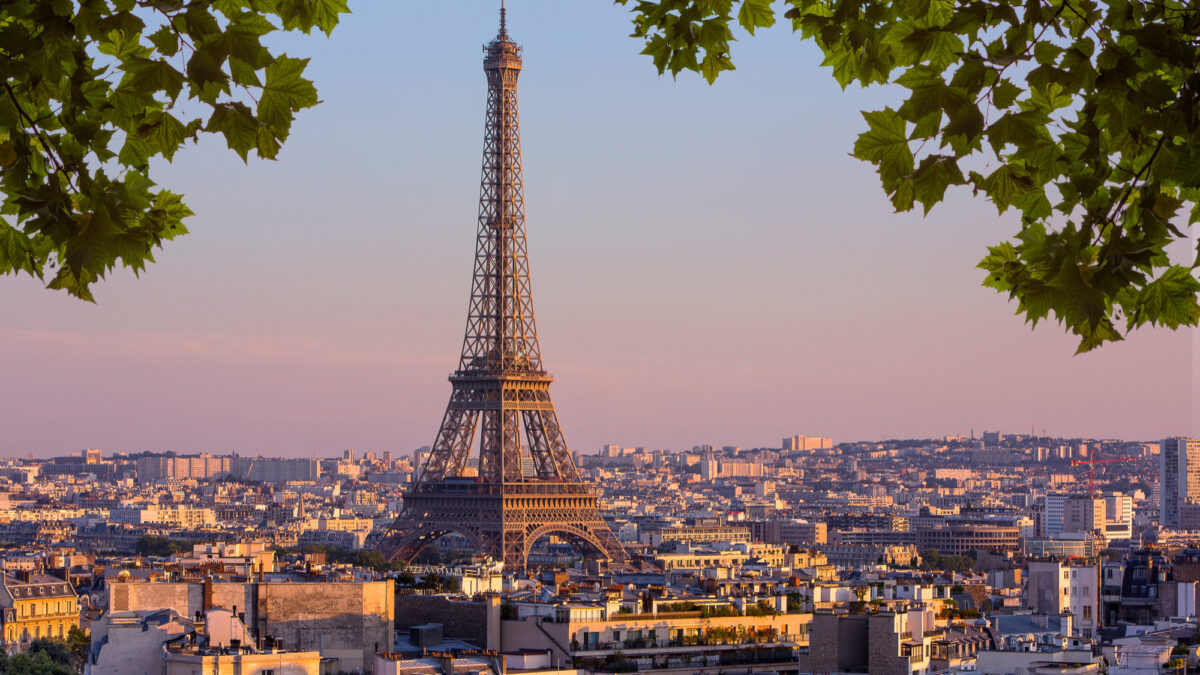
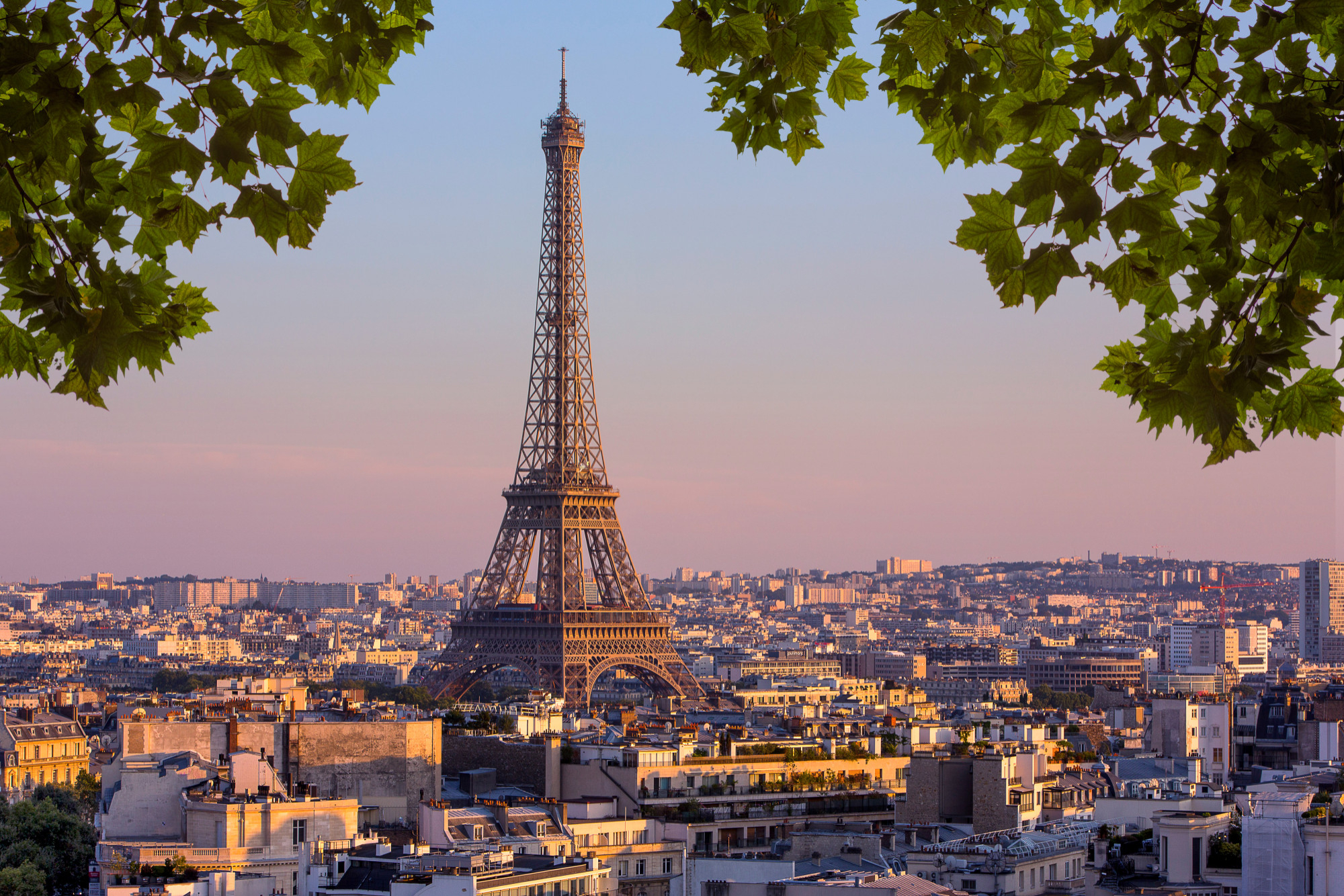
2) See the Eiffel Tower sparkle for free
You don’t need to go up for the magic. The views from nearby areas are the postcard moment—without the ticket.
3) Get a “movie scene” view from Montmartre
Wander the hilltop streets, enjoy the artists’ square energy, and take in the city views. The exterior and basilica visit are free.
4) Visit Sacré-Cœur Basilica
Churches in Paris are generally free to enter, and they’re some of the most breathtaking interiors you’ll see all trip.
5) Walk through Luxembourg Gardens
This is one of the best “do nothing beautifully” spots in the city.
6) Lounge in the Tuileries Garden
Grab a chair, sit by the fountains, and watch Paris pass by.
7) People-watch in Place des Vosges
One of the prettiest squares in the city, perfect for a budget picnic.
8) Explore Le Marais on foot
Historic streets, cool shops, hidden courtyards. Window shopping is free.
9) Cemetery stroll at Père Lachaise Cemetery
Quiet, atmospheric, and genuinely fascinating.
10) Walk the Champs-Élysées to the Arc de Triomphe
The climb up the arch costs money, but the iconic walk and views from street level are free.
11) Visit Notre-Dame Cathedral area
Even when access changes due to restoration or crowd controls, the surrounding area and river views are still worth it. (Always check current entry rules before you go.)
12) Step inside historic churches
Paris has stunning churches beyond the headline names, and they’re often peaceful, free places to reset your brain.
13) Neighborhood “theme walks”
Pick one vibe per afternoon:
- classic romance streets
- modern street art
- markets and food streets
- riverbanks and bridges
14) Browse markets (even if you don’t buy much)
Markets are a free cultural experience—and if you do buy, it’s often a budget meal.
15) Watch street performers
Some of the best moments in Paris are random: a jazz trio in a metro corridor, dancers in a square, buskers on bridges.
Free museums and free museum days in Paris
This is where Paris gets sneaky-affordable.
Paris municipal museums: permanent collections are often free
The City of Paris museum network generally offers free admission to permanent collections (temporary exhibitions may cost extra).
This commonly includes places like:
- Petit Palais
- Musée Carnavalet
- Musée d’Art Moderne de Paris
Always check what’s “permanent” vs “temporary” before you go, so you don’t get surprised at the door.
First Sunday free admissions (popular and sometimes requires booking)
Many museums participate in free admission on the 1st Sunday of the month, and some require advance online booking even when it’s free.
Example: Musée d’Orsay notes first-Sunday free entry with mandatory reservation.
Age-based freebies (huge for students and families)
A few headline policies worth knowing:
- Louvre Museum: free for under 18; free for under-26 EEA citizens; and free for all visitors on the first Friday evening of the month after 6 p.m. (except July and August).
- Orsay: free for under 18; free for EU/EEA ages 18–25 (with conditions).
Even when admission is free, you may still be advised (or required) to book a time slot.
What’s worth paying for on a budget trip?
Here’s a practical rule: pay for the thing that changes your experience the most, not the thing you feel “supposed” to do.
Usually worth it
- One top museum you truly care about (choose one, go deep)
- A timed-entry viewpoint you’ll remember forever
- A special meal (1–2 times per trip)
Usually skippable (or do the free version)
- “Going up everything”
- Too many museums back-to-back
- Expensive transport days when a neighborhood day would be better
A 3-day budget itinerary (mixing free + paid)
Day 1: Classic center + river magic
- Morning: walk the Seine + bridges
- Midday: picnic lunch
- Afternoon: one paid museum OR free municipal museum collections
- Evening: Eiffel Tower views + sparkle from outside
Day 2: Montmartre day (mostly free)
- Morning: explore Montmartre streets
- Midday: bakery lunch on the go
- Afternoon: Sacré-Cœur + viewpoints
- Evening: casual dinner (or picnic)
Day 3: Parks + neighborhoods + free museum angle
- Morning: Luxembourg Gardens
- Midday: wander Le Marais
- Afternoon: Paris municipal museum permanent collection (free) or first-Sunday free plan
- Evening: sunset stroll + photos
Sample daily budgets (realistic ranges)
These vary massively by season and how early you book, but as a rough target:
Shoestring (hostel / basic meals / mostly free)
- Food: €15–€30
- Transit: €5–€12 (less if you walk a lot)
- Activities: €0–€20
Target: ~€25–€60/day (plus accommodation)
Comfortable budget (simple hotel / mix of free + one paid thing)
- Food: €25–€45
- Transit: €8–€15
- Activities: €15–€35
Target: ~€50–€95/day (plus accommodation)
Extra money-saving tips that matter
- Book timed tickets early for anything famous.
- Do museums on weekdays if you can (less time wasted = less money spent).
- Carry a refillable bottle and use public fountains.
- Picnic at least once per day if you’re serious about saving.
- Watch for closures/renovations so you don’t plan around something that’s shut (example: Centre Pompidou has had major closure/works updates).
Final take: Paris on a budget is still Paris
If you do Paris the budget-smart way, you’ll end up with a trip that’s honestly more Parisian: long walks, parks, river sunsets, bakeries, and those random “how is this place real?” moments.
