
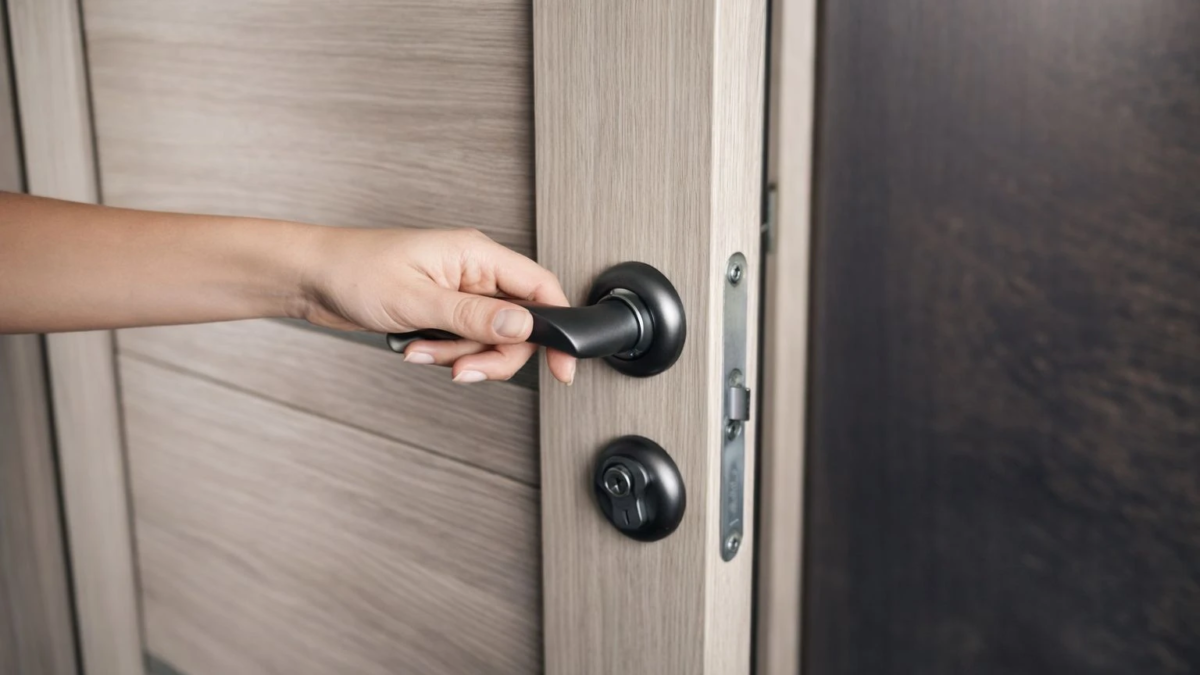

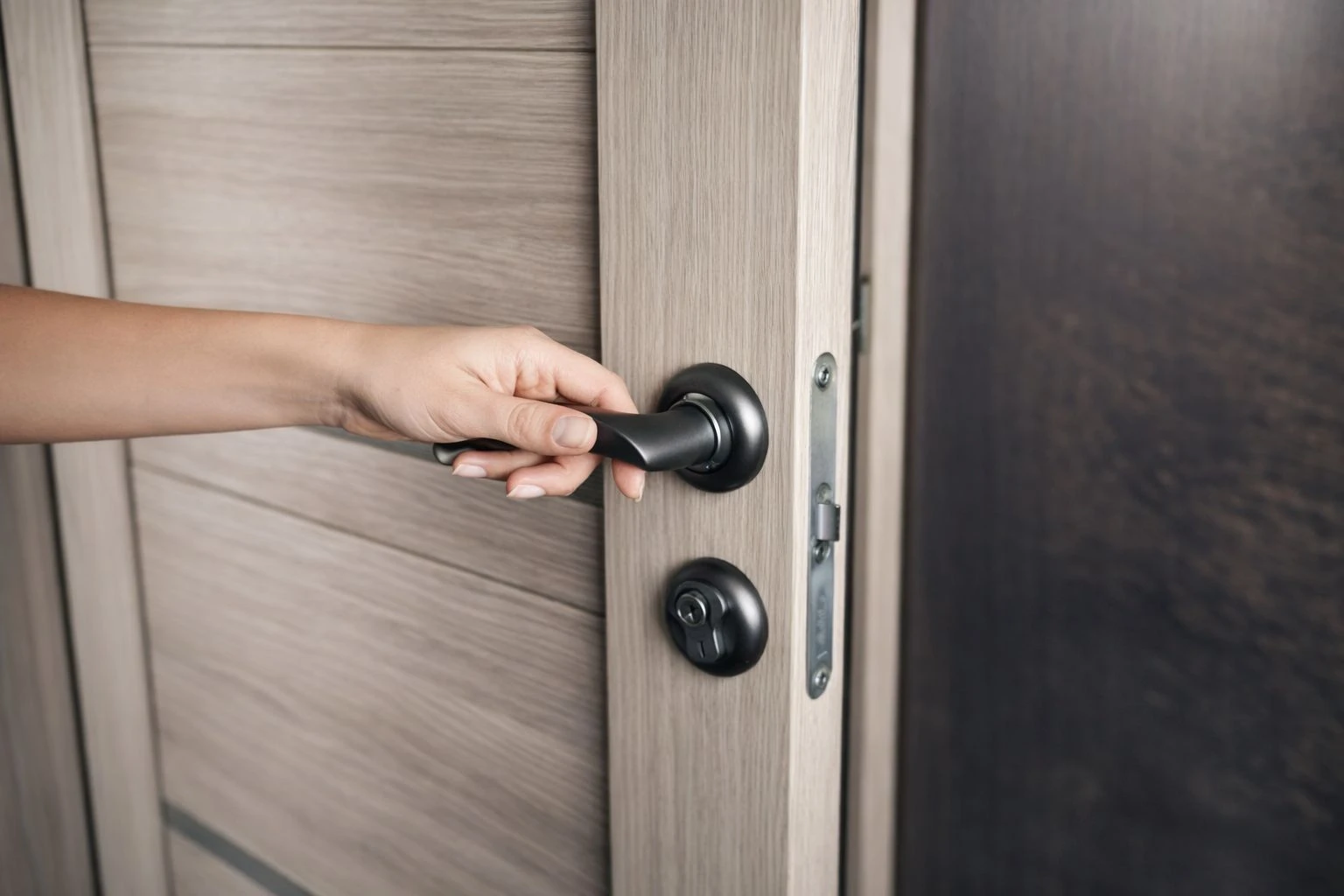
An interior door that refuses to close properly can turn everyday comfort into a quiet irritation. One moment it’s a soft draft creeping through the hallway, the next it’s the dull thud of a latch that never quite catches. These small domestic problems often hide bigger stories about a home settling, materials reacting to seasons, or details overlooked during installation. If you are planning an upgrade or looking for inspiration, it’s worth exploring quality interior solutions at https://indigodoors.com/ where craftsmanship and precision are central values. Understanding why a door won’t close is the first step toward restoring harmony in your space.
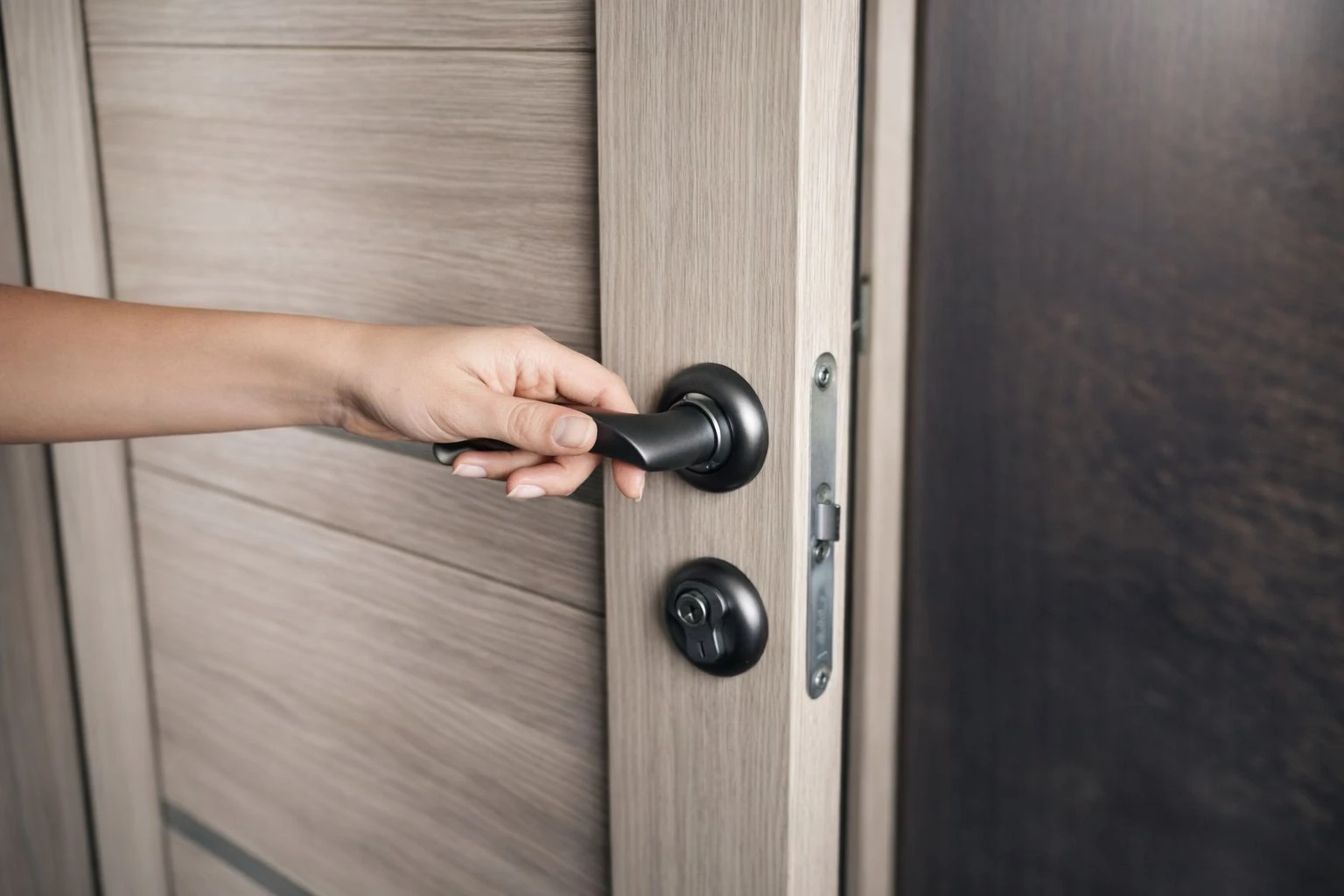
A door that doesn’t close is rarely “broken” — more often, it’s simply asking for attention.
Interior doors are sensitive systems. They respond to humidity, temperature changes, and even subtle movements in the structure of a house. What feels like a minor annoyance today can gradually affect the overall comfort, privacy, and even acoustics of your home. When a door stops behaving as expected, it’s often signaling that something in the environment has changed.
How to tell when a door problem starts
Sometimes the issue is obvious, sometimes it creeps in slowly. A door may rub only in the morning, or close perfectly in summer but stick in winter. These patterns are important clues, and paying attention to them can save you from more serious repairs later.
A door that won’t close properly often shows early warning signs
-
The latch hits the strike plate but doesn’t engage
-
The door swings open on its own instead of staying shut
-
You feel resistance only at the top or bottom edge
Beyond these signs, there’s often a change in how the door feels in your hand. The motion may become heavier, uneven, or slightly twisted. Many homeowners unconsciously adapt, pulling harder or lifting the handle, without realizing the door is slowly drifting out of alignment.
Ignoring these signals can lead to worn hinges, damaged frames, and chipped finishes. Over time, a small issue can grow into a visible defect that affects the look of the entire room.
Common structural reasons a door won’t close
House settling and frame movement
Homes are not static structures. Even well-built houses continue to settle for years after construction. Seasonal soil movement, changes in groundwater, or minor foundation shifts can all influence how door frames sit within walls.
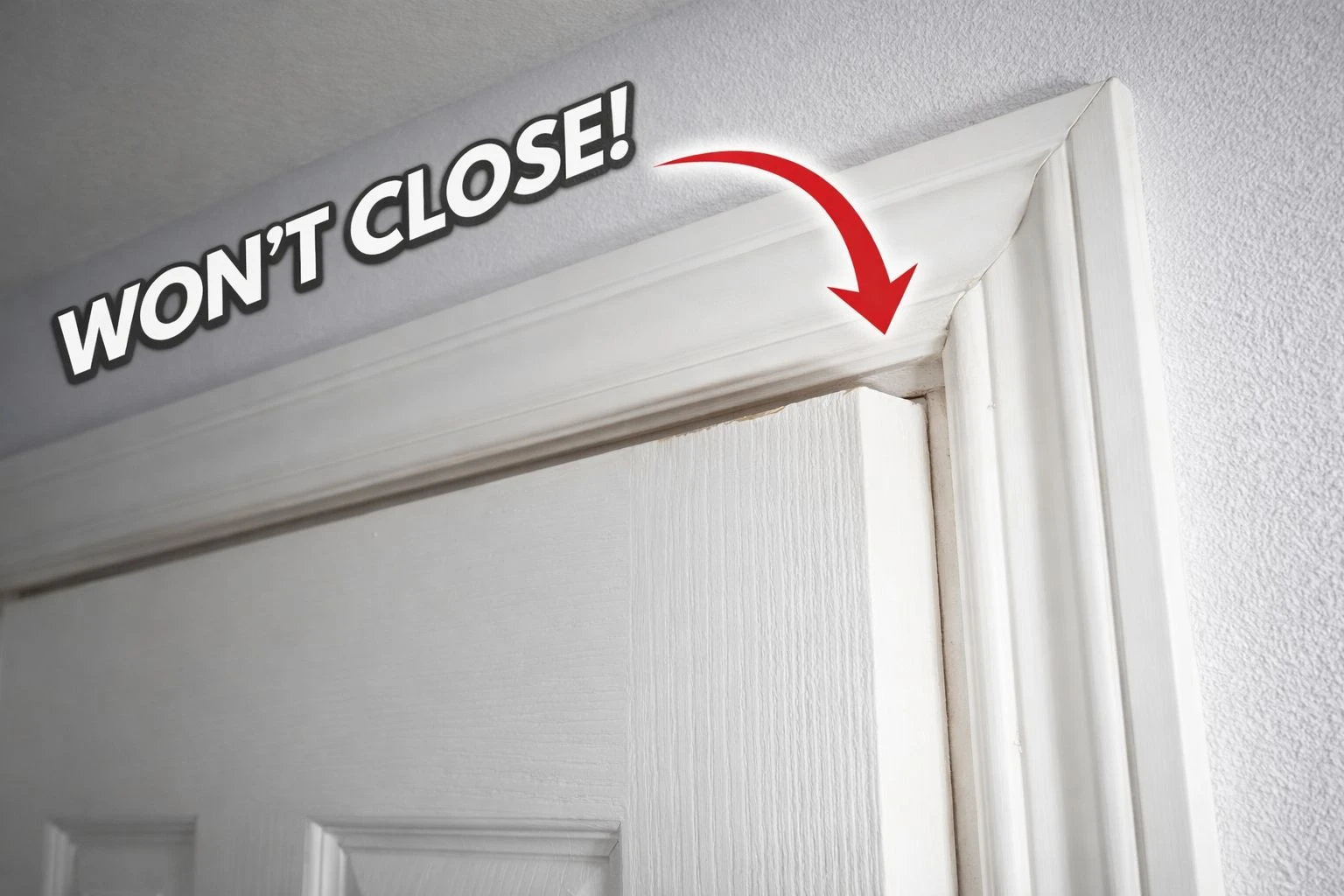
A slight twist in the frame may be almost invisible to the eye, yet dramatic enough for a door to resist closing. You may notice that the gap around the door is no longer consistent, or that the door seems to lean toward one side. This is especially common in multi-story homes, where weight distribution changes over time.
Such movement doesn’t mean your house is unsafe. It simply means materials are adjusting naturally, and doors are often the first elements to reflect those changes.
Seasonal humidity changes
Wood reacts constantly to its environment. High humidity causes it to absorb moisture and expand, while dry air makes it contract. Interior doors, particularly solid wood ones, are highly sensitive to these shifts.
In humid seasons, a door may feel tight and stubborn, requiring extra force to close. In dry periods, the same door may suddenly feel loose or rattle slightly in the frame.
Seasonal changes can shift a door by millimeters, yet those millimeters decide whether it closes or not.
Understanding this cycle helps homeowners respond calmly instead of assuming something is permanently wrong. Often, the door is simply responding to the climate around it.
Hardware-related causes you shouldn’t overlook
Loose or misaligned hinges
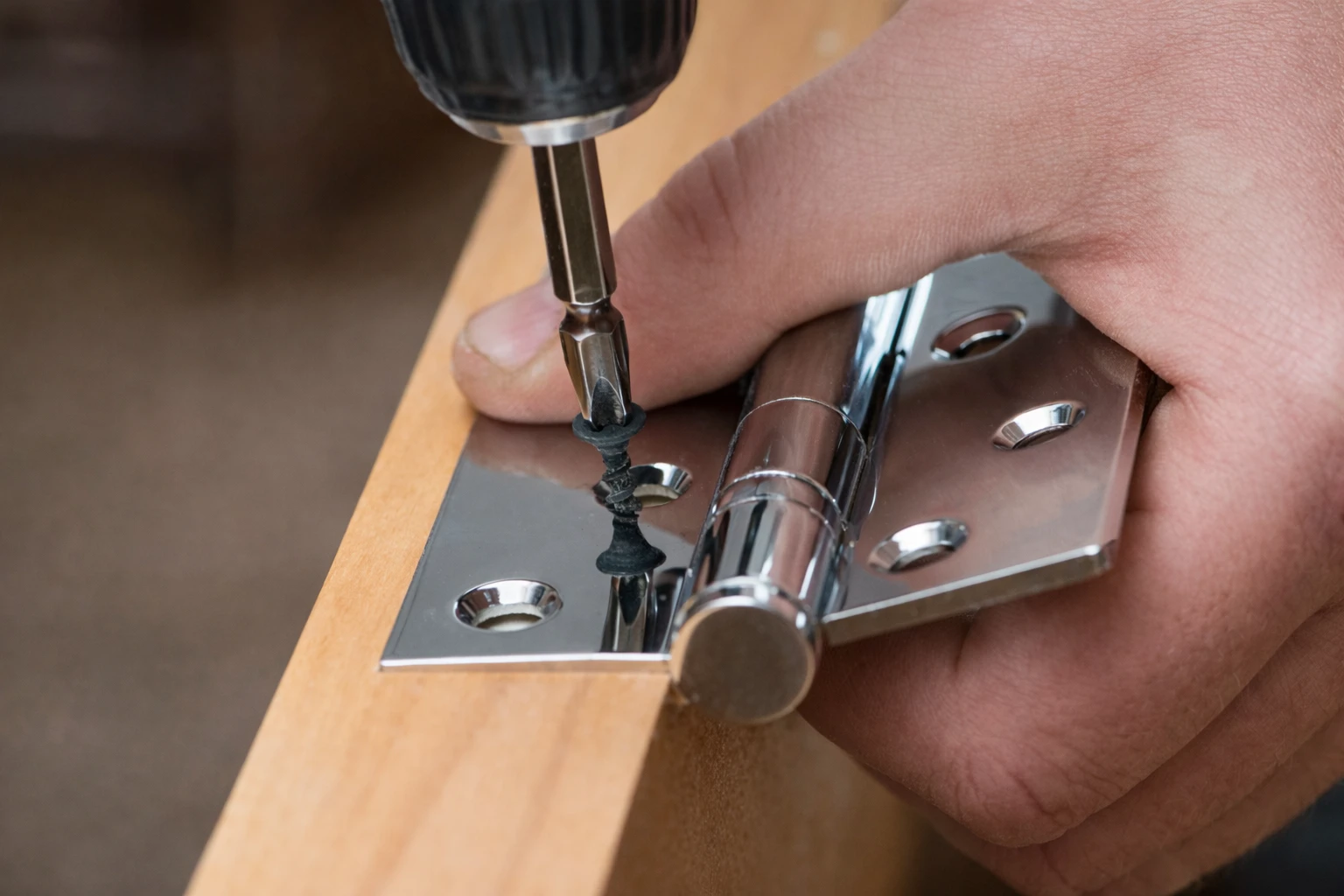
Hinges are the silent workhorses of any door. They carry the door’s weight day after day, often without much thought from the homeowner. Over time, screws can loosen, wood fibers can compress, and the door can begin to sag.
Even a few millimeters of sag can cause the top edge to scrape the frame or the latch to miss its target. This is why hinge inspection is always one of the first steps in diagnosing a closing issue.
A door with loose hinges often feels heavier on one side, and the problem tends to worsen gradually rather than appearing suddenly.
Worn latch or strike plate
Sometimes the issue has nothing to do with alignment at all. Latches and strike plates wear out through repeated use. Springs weaken, metal edges round off, and tolerances become less precise.
You may hear a dull or incomplete click when closing the door, or feel that the handle needs extra pressure to engage the latch. In some cases, the latch works fine, but the strike plate opening has shifted slightly over time.
This kind of wear is subtle but common, especially in high-traffic areas like bedrooms, bathrooms, and hallways.
Practical solutions you can apply
Quick fixes for everyday problems
Not every door problem requires professional tools or complex adjustments. Many common issues can be resolved with patience and attention to detail.
-
Tighten all hinge screws and inspect for stripped holes
-
Replace short hinge screws with longer ones for added stability
-
Adjust the strike plate slightly to improve latch alignment
These small corrections often restore the door’s original behavior. The key is to work slowly and test frequently, making sure each adjustment improves the situation rather than overcorrecting it.
When sanding or planing is necessary
If swelling is the main issue, sanding or planing can provide relief. This solution requires care, as removing too much material can permanently affect the door’s fit.
-
Identify and mark the area where the door rubs
-
Remove the door carefully from its hinges
-
Sand or plane gradually, checking progress often
-
Reinstall the door and test its movement
The best repairs are invisible — the door should feel right, not look “fixed”.
This approach preserves the door’s aesthetic while improving functionality, especially in homes affected by humidity changes.
Installation mistakes that cause long-term issues
Improper door frame installation
If a door never closed properly from the very beginning, the root cause may lie in the installation process. A frame that isn’t square or level creates constant tension, forcing the door to fight gravity and alignment every time it moves.
These issues often reveal themselves through diagonal gaps or uneven contact points. Cosmetic fixes may provide temporary relief, but the underlying geometry continues to cause problems.
Incorrect door size selection
A door that doesn’t match its opening precisely will struggle throughout its lifespan. Trimming a door excessively weakens its structure, while forcing a slightly oversized door into a frame leads to chronic friction.
Proper sizing isn’t just about measurements; it’s about understanding how materials behave over time. Choosing the right door from the start prevents many future frustrations.
When to consider replacement instead of repair
There comes a point when repeated fixes no longer make sense. Doors that are severely warped, cracked, or heavily modified may lose their structural balance.
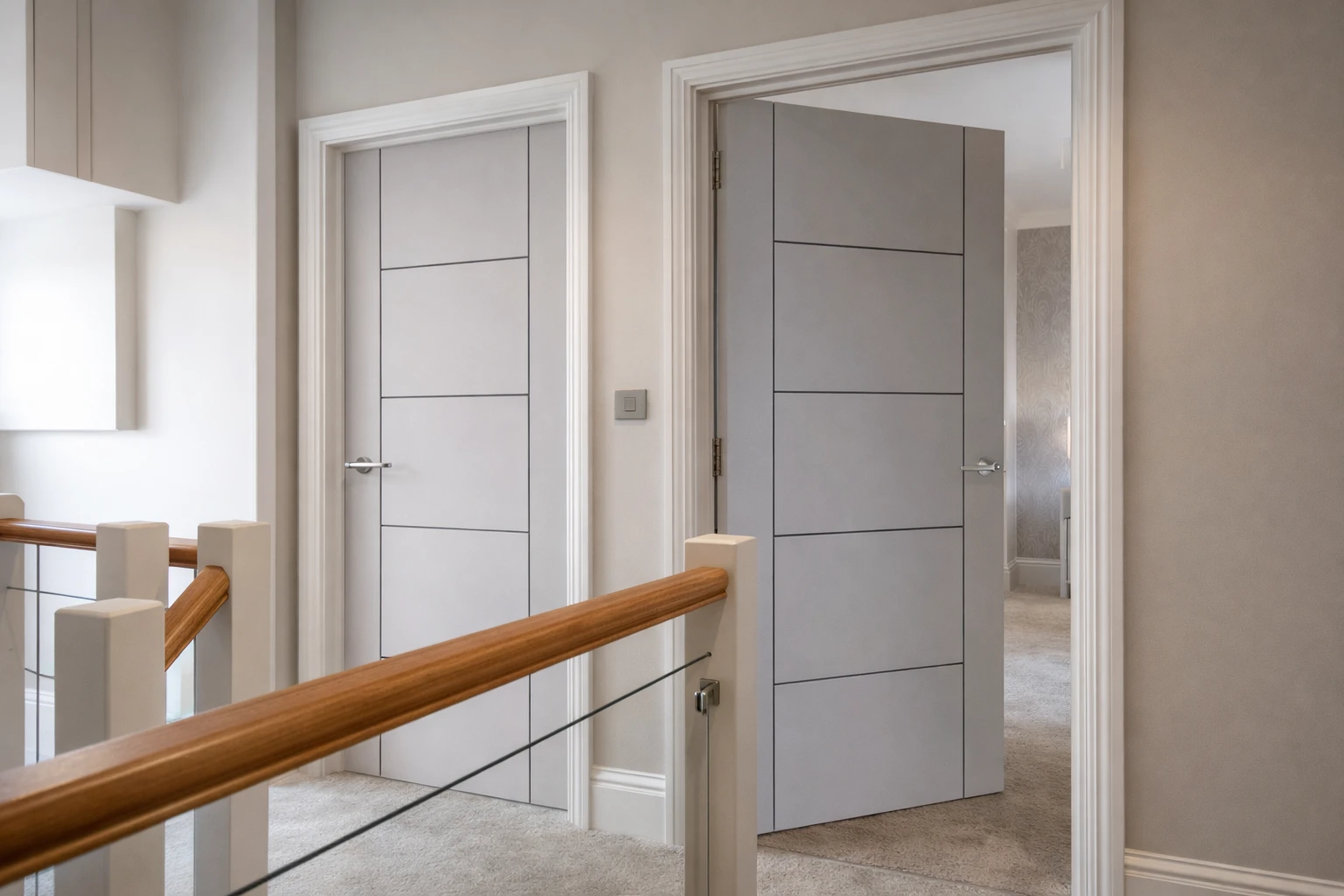
In such cases, replacement is not a failure but a practical upgrade. A new door can improve insulation, sound control, and the overall feel of your interior space.
A well-chosen replacement door should
-
Close smoothly with minimal effort
-
Sit evenly within the frame
-
Feel solid, balanced, and quiet in motion
Restoring comfort and balance in your home
An interior door that won’t close properly is more than a mechanical inconvenience. It disrupts privacy, airflow, and the subtle sense of order that makes a home feel complete. By understanding the causes — from natural settling and humidity to worn hardware and installation errors — you regain control over the solution.
Whether through a simple adjustment or a thoughtful replacement, addressing the issue restores that satisfying moment when a door closes softly, confidently, and exactly as it should.
