
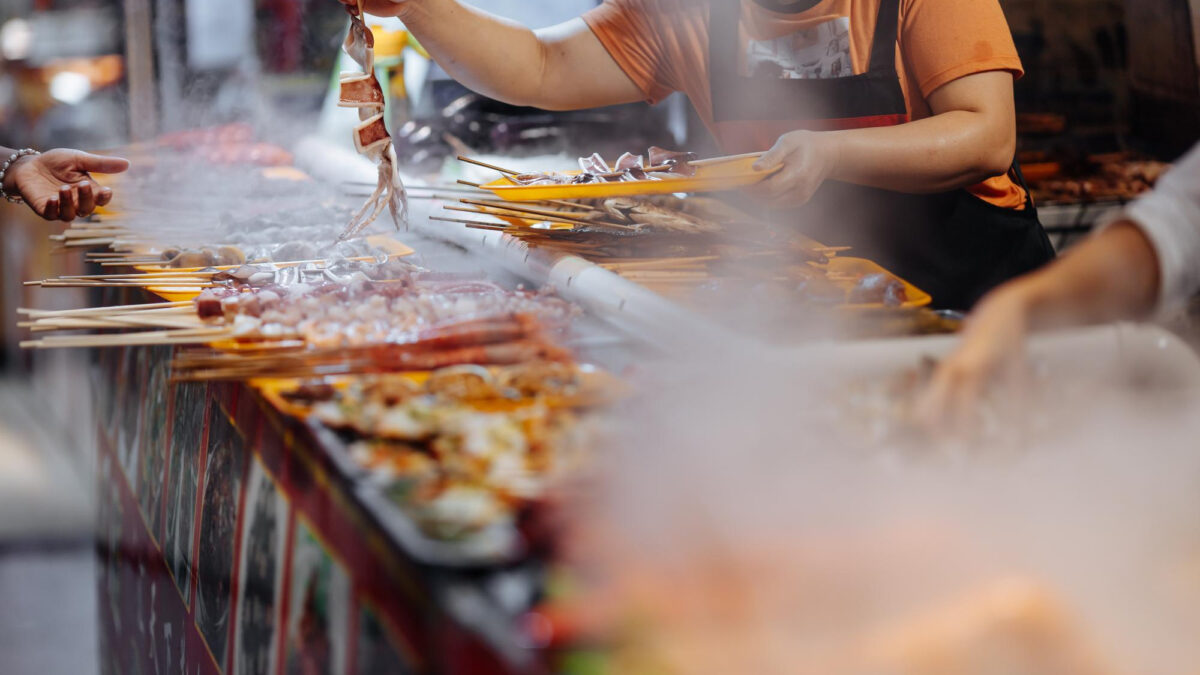

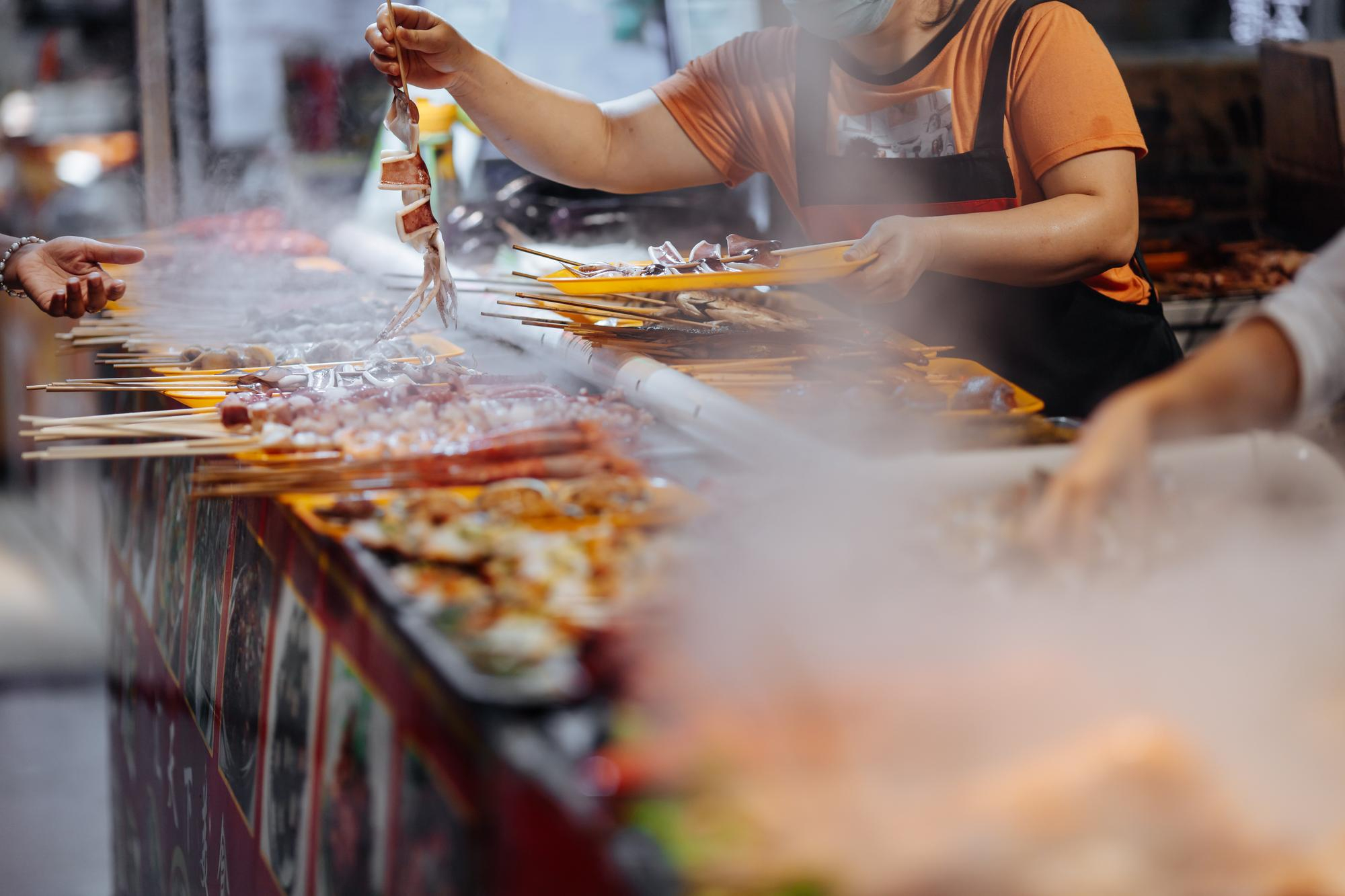
Bangkok doesn’t do “bad street food season” so much as different street food moods. The city eats year-round—on sidewalks, in covered markets, under awnings, and at night bazaars that don’t care if it’s humid or drizzling. The real trick is choosing when you’ll enjoy the experience most: strolling comfortably between stalls, sitting outside without melting, and having the best shot at clear nights for food crawls.
If you’re planning a trip primarily around eating, here’s the core truth:
- Best overall time: late October through February, especially November–February for cooler evenings and easier walking.
- Best value (fewer crowds + deals): rainy season, especially September–October—bring a light rain layer and lean into covered markets.
- Best festival-food energy: October–November (vegetarian festival + Loy Krathong vibes) and April (Songkran madness + late-night eating).
Let’s break it down properly.
Bangkok’s seasons (and why they matter for street food)
Bangkok sits in a tropical monsoon pattern, and for travel planning it’s easiest to think in three practical seasons:
- Hot season (roughly mid-Feb to mid-May): very warm, higher heat stress outdoors.
- Rainy season (roughly mid-May to mid-Oct): bursts of heavy rain + humidity, with some months noticeably wetter.
- Cooler/drier season (roughly mid-Oct to mid-Feb): “cool” by Bangkok standards—still warm, just way more comfortable.
In plain street-food terms:
- Comfort = more exploring. When evenings are less sticky, you’ll happily walk an extra 20 minutes for that one legendary stall.
- Rain changes the map. You’ll naturally favor covered markets, MRT-connected night bazaars, and streets with awnings.
- Heat shifts your schedule. You’ll eat lighter during the day and go big after dark.
The best overall months for street food: November to February
If you want Bangkok street food to feel like a fun, endless buffet instead of an endurance sport, November through February is the sweet spot. It’s generally the most comfortable period for being outdoors and hopping between stalls—especially at night.
Why it’s so good:
- Less humidity + fewer surprise downpours
- Longer, easier night walks through markets and food streets
- Peak “let’s eat everything” energy because you’re not constantly hunting air-conditioning
The tradeoff:
- This is also high season, so expect more visitors and sometimes higher hotel rates.
The “shoulder” months that are sneakily amazing: October and March
If you want a strong balance of comfort + slightly fewer crowds, look at:
- October: rainy season tapers off, and evenings start getting easier. (It can still rain—just usually less relentless than peak wet months.)
- March: before the hottest stretch fully kicks in, you can still do long food walks—just plan midday breaks.
These are great months if you like:
- More spontaneous seating (fewer lines)
- Better flight/hotel deals compared to peak winter months
- A bit more “local rhythm” in some areas
Rainy season (mid-May to mid-Oct): underrated street food season
Rainy season sounds like a dealbreaker… until you realize Bangkok street food has built-in rain strategy.
Pros:
- Fewer crowds at popular spots
- Great deals on accommodation and sometimes flights
- Rain-friendly foods hit harder (soups, curries, grilled skewers under awnings)
Cons:
- You’ll get short, intense downpours
- Some street setups may shut temporarily if rain gets dramatic
If you visit during rainy months, just plan like a pro:
- Eat at covered markets or places near transit
- Carry a compact umbrella or light rain jacket
- Keep a “Plan B” food list for rainy moments (markets + food courts + night bazaars)
And yes—some guides flag September as among the wettest-feeling months in Thailand, which lines up with what many travelers experience.
April and the hot months: still worth it if you eat at the right times
April is famously intense (hot + humid), but it’s also a wildly fun time because of Songkran, Thailand’s New Year water festival (traditionally April 13–15).
During this period, street-food strategy becomes:
- Go out early for market breakfasts
- Hide from the sun mid-afternoon
- Eat big at night (the city stays awake)
In Bangkok, the modern Songkran party hubs often include Khao San Road and Silom Road, and the food scene around those areas goes extra late.
Month-by-month: best time to visit Bangkok for street food
Use this section like a planner. Pick the vibe you want.
January
One of the most comfortable months for long food walks and late-night market hopping. Expect lots of visitors, especially around major holiday travel weeks. Nighttime street food in busy areas feels electric—think grilled seafood, peppery soups, crispy omelets, and desserts you “accidentally” eat twice.
Street-food move: do a multi-stop night crawl (3–5 small dishes, not one huge meal).
Crowds: high.
February
Still in the comfortable season. Great month for exploring multiple neighborhoods because you won’t feel wrecked by humidity. If you’re curious about seasonal fruit and sweets, February can be a fun month to try whatever’s showing up at markets.
Street-food move: markets by day, street stalls by night—best of both worlds.
Crowds: high to medium.
March
The city starts warming up. You can still do serious street-food exploring—just plan around the sun. Late afternoon into night is prime time.
Street-food move: start around 4–5 pm, finish late; take a midday AC break.
Crowds: medium.
April
Hot, chaotic, unforgettable. Songkran brings big energy and crowds in party zones. You’ll sweat. You’ll still eat ridiculously well. The key is timing: mornings and nights are your best friends.
Street-food move: chase iced drinks + cold desserts, then go heavy on grilled food after dark.
Crowds: high around Songkran.
May
Humidity rises and rainy season edges in. Street food is still thriving, but you’ll want more flexible plans—pop into covered markets when rain hits.
Street-food move: keep a “rain list” (covered markets, MRT-connected bazaars).
Crowds: medium to low.
June
Rainy season rhythm becomes normal: you’ll get showers, then the city bounces back fast. This is a good time for travelers who like a calmer Bangkok and don’t mind adapting.
Street-food move: snack more often, smaller portions—heat can dull appetite midday.
Crowds: low to medium.
July
More consistent wet-season conditions. Nights can still be great, especially when the rain cools things down. You’ll likely do more eating in covered areas, but that’s not a downgrade—Bangkok’s market food is elite.
Street-food move: focus on markets + night bazaars with lots of seating.
Crowds: low to medium.
August
Similar to July: warm, humid, with rain that comes and goes. If you’re budget-conscious, August can be a smart pick.
Street-food move: go where there are awnings and lots of stalls clustered together.
Crowds: low.
September
Often the “wettest-feeling” month for many visitors—expect heavier rain patterns. The upside is fewer tourists and solid value. If you’re okay with tactical umbrellas, you’ll eat extremely well with less waiting.
Street-food move: do daytime covered markets, then pick one strong night area instead of long walks.
Crowds: low.
October
A transition month and a foodie favorite. Rain starts easing, and Bangkok’s food calendar can get exciting. Bangkok’s Chinatown area often lights up with the Yaowarat Vegetarian Festival, known for big vegetarian/vegan stall lines and festival energy.
Street-food move: come hungry, but also patient—festival lines can be real.
Crowds: medium (higher during festival dates).
November
One of the absolute best months. Weather gets more comfortable, and you may catch Loy Krathong, which usually falls in November (date varies because it’s tied to the lunar calendar).
Even when you’re not doing festival stuff, November nights are built for eating: long walks, multiple stops, and dessert “just because.”
Street-food move: pick two night zones and compare them on different evenings.
Crowds: high.
December
Comfortable nights, high-season crowds, and a festive travel vibe. Great month for first-timers because conditions are forgiving: you can be outside a lot without feeling demolished.
Street-food move: go early to popular spots (beat the lines), then linger late elsewhere.
Crowds: very high.
Festival timing that street-food lovers actually care about
Chinese New Year (late Jan / Feb) in Chinatown
Bangkok’s Chinatown food scene centers around Yaowarat Road, and Chinese New Year can add decorations, crowds, and special snacks. The exact schedule varies widely year to year—and sometimes official events change. For example, some organized Yaowarat celebrations scheduled for February 2026 were reported cancelled due to a mourning period, so it’s smart to check updates before planning your trip around a specific program.
Songkran (April 13–15, with broader celebrations in some years)
Songkran is the loud, joyful, water-soaked New Year festival. Expect big crowds in party areas and a “street-food + chaos” combo that a lot of people love.
Yaowarat Vegetarian Festival (often late October)
For food explorers, this is a top-tier time to visit because stalls go hard on vegetarian/vegan versions of Thai-Chinese favorites and the whole area feels like a celebration.
Loy Krathong (usually November)
More of a cultural + romantic vibe, but it pairs beautifully with a food-focused trip because November nights are peak comfort and the city feels extra alive.
Where to eat: best street-food areas (and the best time to go)
You can absolutely freestyle Bangkok street food, but if you want maximum payoff, these areas are reliable:
- Chatuchak Weekend Market — best on weekends, daytime into late afternoon; come early for heat and crowds.
- Or Tor Kor Market — best in the morning/lunch window; known for excellent produce and prepared food options.
- Wang Lang Market — great for daytime snacking; lots of local-style eats in a dense, fun maze of stalls.
- Jodd Fairs — an easy, modern night-market option with lots of seating and variety; convenient when you want “many choices in one place.”
- Rod Fai Night Market — another night-market style option (check current days/hours before you go).
And if you’re doing the classic tourist route, pairing food with sights works well around Wat Pho in the morning, then eating your way into the evening afterward.
Best time of day for street food in Bangkok
This matters almost as much as the month.
Morning (7–10 am):
- Market breakfasts, fresh fruit, coffee stalls, lighter dishes
- Best in hot months because it’s cooler
Midday (11 am–3 pm):
- Great for covered markets
- Not ideal for long outdoor walks in March–May
Evening (5–10 pm):
- Peak street-food action
- Best time for Yaowarat-style food streets and night markets
Late night (10 pm–2 am+):
- Bangkok flexes here
- Perfect if you like lively streets and second dinner
Two “best time” picks depending on your travel style
If you want the easiest, happiest street-food trip
Go November–February. You’ll walk more, try more, and feel less weather friction.
If you want the cheapest trip that still eats incredibly well
Try September–October and plan around rain with covered-market backups.
Mini street-food game plans
1-night “Bangkok street food starter”
- Early evening: night market (lots of options fast)
- Later: Chinatown food street for 2–3 small dishes + dessert
- Finish: one last snack near your hotel (Bangkok always has a closer stall)
3-night “serious eater” plan
- Night 1: night market (get oriented, try variety)
- Night 2: Yaowarat crawl (go dish-by-dish; don’t commit too early)
- Night 3: local daytime market + evening repeat of your favorite area
Final takeaway
For most travelers, the best time to visit Bangkok for street food is November through February, when it’s easiest to wander, sit outside, and turn eating into an all-night adventure. If you’re more budget-driven and flexible, September–October can be a stealthy winner—as long as you treat rain like a schedule tweak, not a disaster.
