
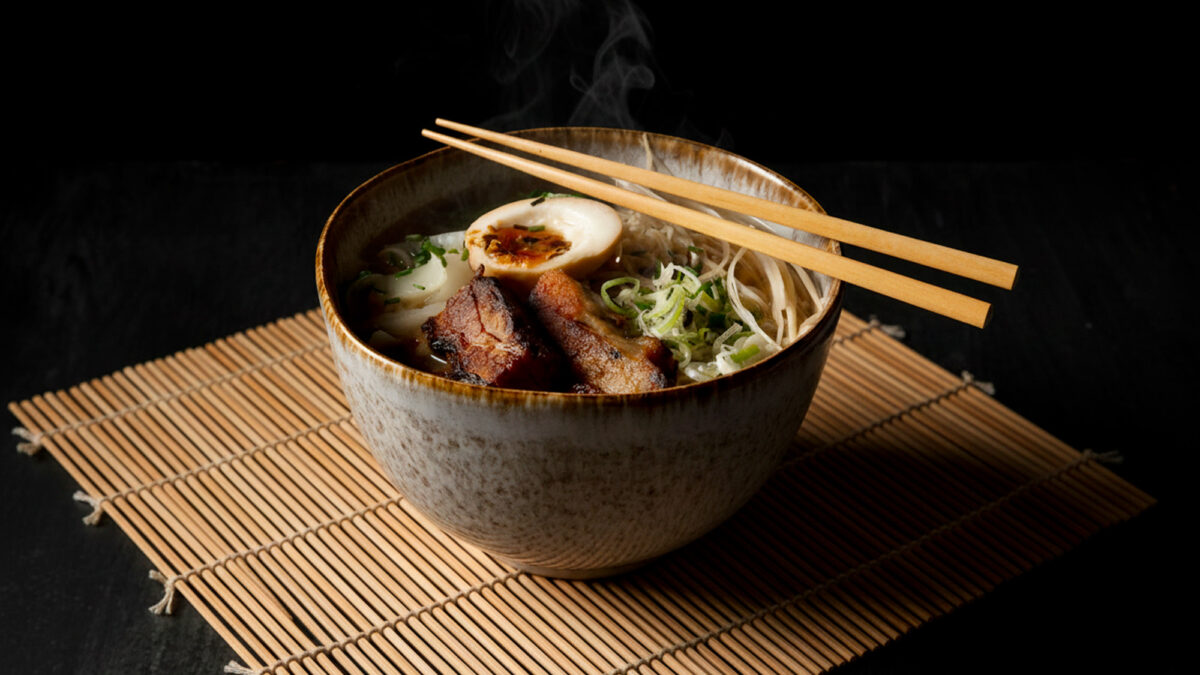

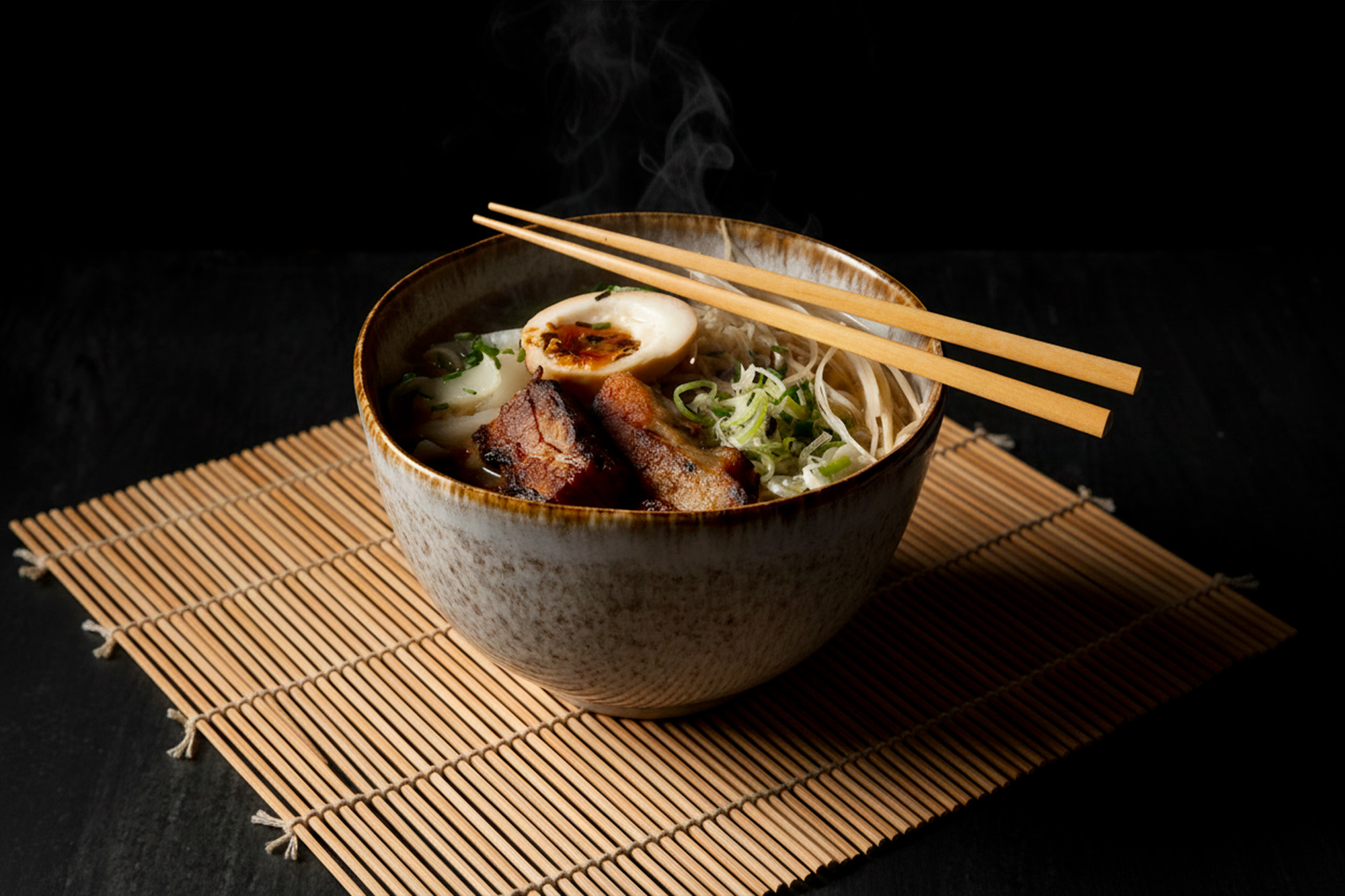
Tokyo ramen can feel like a paradox: it’s everywhere, yet the bowls people remember most are often tucked into tiny counters, hidden alleys, and station basements you’d never “stumble into” on purpose.
So let’s make “authentic” practical. Not “secret-only-locals-know” (Tokyo doesn’t really work like that anymore), but the kind of ramen that’s made with intent, eaten at its best, and feels like you’re participating in a daily Tokyo ritual—not just chasing a viral checklist.
This guide is built for tourists who want the real deal and want to stay sane: you’ll get a quick ramen vocabulary, the ordering flow (ticket machines, refills, and all), then the best spots by neighborhood and style—plus a simple itinerary you can actually follow.
What “authentic ramen” really means in Tokyo
Authentic ramen in Tokyo isn’t one specific style. It’s a culture of specialization.
A shop might do one broth for decades, tweaking salt levels by season, changing noodles by humidity, adjusting toppings by the day’s pork. You’ll see smaller menus than you’d expect—because the point is repetition and refinement.
It’s also the experience: fast turnover, counter seating, and an expectation that you eat your bowl at peak temperature. “Authentic” doesn’t mean unfriendly; it means efficient, focused, and built around the noodle moment.
Ramen styles you’ll see on menus (tourist-proof)
If you remember nothing else, remember the four big words: shio, shoyu, miso, tonkotsu.
- Shio (salt): light, clean, often citrusy or seafood-forward
- Shoyu (soy sauce): balanced, aromatic, classic “Tokyo” vibe
- Miso: rich, savory, sometimes spicy—comfort ramen
- Tonkotsu: pork-bone broth, creamy and intense
- Tsukemen: “dipping noodles” served separate from the broth
- Tantanmen: sesame-chili ramen inspired by Sichuan flavors (often spicy)
Once you know these, you can walk into almost any shop and order with confidence.
How to order ramen like a local (and avoid awkwardness)
Most good ramen shops in Tokyo use a ticket vending machine system: you pay first, hand your ticket to staff, then your bowl arrives quickly. Even when there’s English, it helps to know the rhythm.
Here’s the usual flow:
- Line up (if there’s a line). Don’t hover near the door—follow the queue.
- Buy a ticket. Cash is still common; cards vary by shop.
- Hand your ticket to staff (or place it where they indicate).
- Customize if asked. Some shops let you choose noodle firmness, richness, spice, etc.
- Eat while it’s hot. Photos are fine—just don’t turn it into a photoshoot.
- Leave when finished. Lingering is the fastest way to feel like you’re “doing it wrong.”
At Ichiran, the process is famously structured: you check for open seats, sit in a solo booth, fill out an order form, and staff interact through a small curtain system.
The easiest “first ramen win” for tourists
If you want a guaranteed hit with minimal planning, go to Tokyo Station and eat at Tokyo Ramen Street.
It’s basically a curated ramen corridor inside the station complex, designed for variety—so you can choose based on style (light shio, rich tsukemen, vegetarian options, and more) without trekking across the city.
This is the move if:
- you just landed and want food fast
- it’s raining
- you’re transferring trains
- you want to “sample Tokyo ramen culture” in one compact stop
Where to eat authentic ramen in Tokyo: best neighborhoods for tourists
Tokyo ramen is less about one “ramen district” and more about clusters—areas where you can pair sightseeing with a great bowl.
Shinjuku
Big energy, endless food, and some of the city’s most famous tsukemen. Great for late afternoons and evenings.
Shibuya
Tourist-central, but still full of serious bowls—especially lighter, modern ramen that’s easy to love.
Ginza
Upscale streets with surprisingly tiny ramen counters hidden in alleys—perfect if you want “refined” ramen.
Ikebukuro
A ramen-heavy zone with big portions and bold tonkotsu options—great if you want maximal comfort.
Kanda
Classic Tokyo neighborhoods near electronics/anime areas, with spicy miso legends and strong lunch culture.
Otsuka
A little less touristy, famous for Michelin-recognized ramen stops and serious queues.
Ebisu
Stylish streets and a great home for lighter ramen that feels modern but still very “Tokyo.”
The best ramen shops in Tokyo (by style), with a tourist-friendly plan
Below are picks that stay authentic while still being realistic for visitors.
Light, elegant ramen that won’t destroy your afternoon
If you’re sightseeing all day, this is the category that keeps you energized.
AFURI Ebisu
The signature move is yuzu-forward shio ramen: bright, clean, and shockingly addictive if you’re used to heavier bowls. The Ebisu location is especially meaningful because it’s the original Tokyo outpost and keeps that “first shop” atmosphere.
Ginza Kagari Honten
Known for tori paitan—a creamy chicken broth that’s rich but often feels more refined than pork tonkotsu. It’s the kind of bowl that makes you pause mid-slurp and go, “Oh… this is crafted.”
Tsukemen (dipping noodles): Tokyo’s “power bowl”
Tsukemen is one of the most Tokyo things you can eat. The noodles are thicker, served separately, and you dip each bite into concentrated broth.
Rokurinsha
An essential tsukemen experience, especially convenient if you’re already at Tokyo Station. Their own menu explains the etiquette clearly: dip noodles bite-by-bite, and ask for wari-jiru at the end to thin the remaining broth into a drinkable soup.
Fuunji
A famous Shinjuku tsukemen stop that hits with dense, savory broth and chewy noodles. Expect lines; go earlier or between meal peaks.
Menya Itto
If you want tsukemen that feels “designed,” this is a strong choice. A recent review notes they specialize in tsukemen with a soy-sauce-and-seafood broth option (and a richer alternative), making it a great “I want a premium bowl” destination.
Spicy miso that feels like a Tokyo thrill ride
Tokyo does spicy differently: it’s often aromatic and numbing, not just heat.
Karashibi Miso Ramen Kikanbo
This is the iconic “kara (spicy) + shibi (numbing)” miso ramen experience, with staff often asking your level for each. It’s theatrical, intense, and honestly… very fun.
Michelin-famous ramen: worth it, if you time it right
Let’s be real: Michelin hype can create lines that change your whole day. If you’re curious, treat these as one planned mission, not a casual lunch.
Japanese Soba Noodles Tsuta
This shop made history as the first ramen shop awarded a Michelin star (in 2015), and it helped convince the world ramen could be “fine dining” without losing its soul.
Nakiryu
Known for refined bowls and a reputation tied to Michelin recognition, often with serious queues. If you’re already in the area, it’s a strong “ramen pilgrimage” stop.
Also: if you care about that whole Michelin conversation, the bigger authority is the Michelin Guide itself—not random “best of” lists. (Use those lists for inspiration, not truth.)
Vegetarian/vegan ramen that still feels legit
Yes, you can eat ramen in Tokyo without meat/fish and still have a great bowl.
T’s Tantan
A go-to vegan ramen shop inside Tokyo Station’s ticketed area, known for sesame-rich tantan-style bowls—and it explicitly avoids meat, fish, eggs, and dairy.
Soranoiro NIPPON
Right on Tokyo Ramen Street, with vegetarian and vegan options that are genuinely popular even with non-veg diners. It’s one of the easiest “everyone wins” ramen stops when traveling with a mixed group.
A simple 2-day ramen plan for tourists
You don’t need eight bowls. You need two or three great ones that represent different styles.
Day 1: Station convenience + one “you’ll remember this” bowl
- Lunch: Tokyo Station → Tokyo Ramen Street
Pick tsukemen at Rokurinsha or a lighter bowl if you’re tired. - Evening: Ebisu → AFURI for yuzu shio (light, bright, satisfying).
Day 2: One pilgrimage bowl + one comfort bowl
- Late morning/early lunch: Otsuka → Nakiryu (go early to protect your schedule).
- Dinner: Kanda → Kikanbo for spicy miso (or go mild and enjoy the flavors).
If you want to swap in a “famous-but-easy” bowl, Ichiran is a smooth tourist experience with a very clear system.
Mini ramen phrasebook
- Osusume wa? = What do you recommend?
- Shio / Shoyu / Miso / Tonkotsu = the broth style
- Tsukemen = dipping noodles
- Kae-dama = noodle refill (common in tonkotsu shops)
- Futsuu = normal (a safe answer when asked about spice/strength)
Pro tip: if you’re unsure about spice at a place like Kikanbo, choose a lower level first—Tokyo spice can sneak up on you.
A few “authentic ramen” rules that make your experience better
Ramen culture is chill, but it has a vibe. These tiny choices help you blend in:
- Go off-peak when you can (11:00-ish lunch, 15:00-ish late lunch).
- Eat first, linger later. Save the café hang for after ramen.
- One photo is plenty. Your noodles are actively getting worse by the second.
- Bring cash. Especially if you’re chasing older, smaller shops.
- Don’t stress perfection. Even a “solid” Tokyo ramen shop can be excellent.
The real secret: choose style first, shop second
Tourists get stuck because they pick a shop name before they pick a style. Flip it.
If you want something:
- light + bright → AFURI
- rich + creamy → tonkotsu classics or chicken paitan
- bold + spicy → Kikanbo
- Tokyo specialty feel → tsukemen (Rokurinsha / Fuunji / Menya Itto)
- plant-based → T’s Tantan or Soranoiro
Do that, and Tokyo ramen stops being overwhelming—and starts being one of the best food experiences on the planet.
