


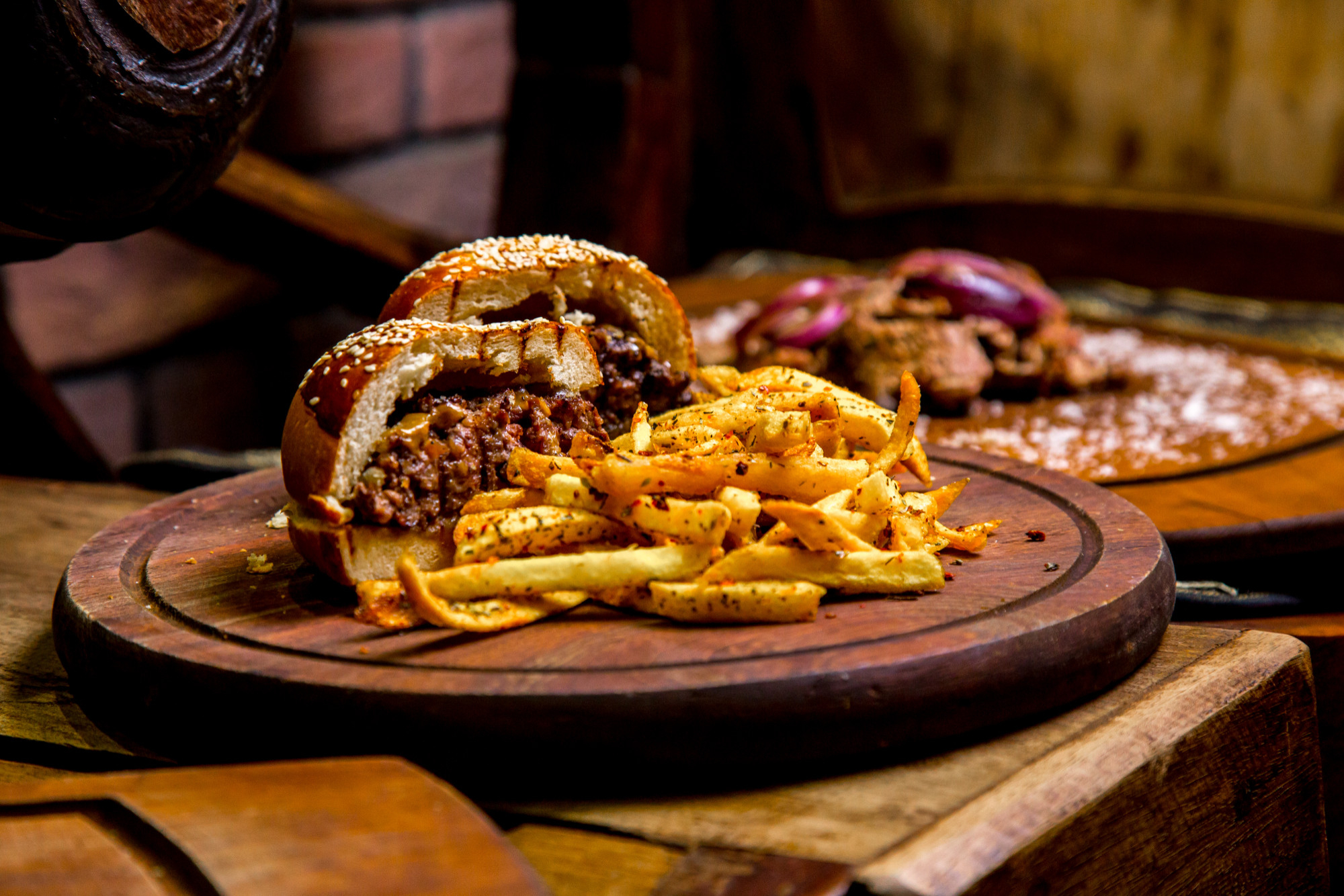
In 2026, comfort food isn’t just popular—it’s everywhere. From restaurant menus and food trucks to social media feeds and home kitchens, familiar dishes like burgers, fried chicken, mac and cheese, and meatloaf are having a major moment. But this resurgence isn’t about laziness or lack of creativity. It’s about something deeper.
People are craving nostalgia on a plate.
As life becomes faster, more digital, and more uncertain, food has taken on a new emotional role. Comfort food offers familiarity, emotional safety, and a sense of grounding that trendy or experimental dishes often can’t provide. The rise of comfort food reflects how people are feeling—and what they need—right now.
So why does comfort food resonate so strongly today, and why has it become one of the biggest forces shaping modern dining?
What Is Comfort Food, Really?
Comfort food isn’t defined by a single cuisine or ingredient. Instead, it’s defined by emotion.
Comfort foods are dishes that:
- Feel familiar
- Trigger personal or cultural memories
- Are associated with home, family, or simpler times
- Provide warmth, richness, and satisfaction
For some, that’s a grilled cheese sandwich. For others, it’s dumplings, rice and beans, pasta, or soup. The common thread isn’t what’s on the plate—it’s how it makes you feel.
Comfort food reassures us. It doesn’t challenge us. And in today’s world, that reassurance matters.
Why Comfort Food Is Surging in 2026
1. Stress and uncertainty fuel nostalgic cravings
Economic pressure, global instability, and constant digital stimulation have changed how people eat. When stress levels rise, people naturally gravitate toward foods that feel safe and predictable.
Psychologically, nostalgia is a coping mechanism. Eating familiar foods can:
- Reduce anxiety
- Create a sense of control
- Trigger positive memories
Comfort food becomes a form of emotional self-care, especially during uncertain times.
2. People are exhausted by constant “newness”
For years, food trends moved at lightning speed. Every month brought a new superfood, fusion concept, or viral dish. Eventually, that constant novelty became tiring.
Comfort food offers relief from trend fatigue:
- No learning curve
- No explanation required
- No pressure to “get it”
In a culture overloaded with information, simplicity feels luxurious.
3. Nostalgia connects generations
Comfort food is one of the few things that bridges generational gaps. A parent, a teenager, and a grandparent may disagree on almost everything—but they can often agree on a good burger or plate of pasta.
Restaurants have noticed. Nostalgic dishes:
- Appeal to wide age ranges
- Feel inclusive rather than exclusive
- Encourage group dining
That broad appeal makes comfort food incredibly powerful from both a cultural and business perspective.
Comfort Food and the Memory Effect
Neuroscience plays a role in comfort food’s popularity. Smell and taste are strongly linked to memory. One bite of a familiar dish can instantly transport someone back to:
- Childhood kitchens
- Family gatherings
- Late-night diners
- Home-cooked meals
This is why comfort food feels emotional rather than logical. You’re not just eating calories—you’re reliving a moment.
Restaurants that successfully tap into this memory effect create loyal customers, not just satisfied ones.
How Restaurants Are Reinventing Comfort Food
The rise of comfort food doesn’t mean creativity is gone. Instead, chefs are updating familiar dishes without stripping away their soul.
Elevated, not complicated
Modern comfort food focuses on:
- Better ingredients
- Cleaner execution
- Balanced flavors
Think:
- Smash burgers with higher-quality beef
- Fried chicken with house-made sauces
- Mac and cheese using real aged cheese instead of processed blends
The goal is to improve—not reinvent—the dish.
Familiar formats, bold flavors
Comfort food now often includes subtle twists:
- Global spices
- House pickles
- Fermented sauces
- Unexpected textures
The dish still feels familiar, but there’s just enough surprise to keep it interesting.
Casual environments win
Comfort food thrives in relaxed settings. Casual restaurants, diners, and neighborhood spots outperform formal dining rooms when it comes to nostalgic dishes.
This aligns with broader industry insights from groups like the National Restaurant Association, which consistently report that diners prioritize comfort, value, and familiarity when choosing where to eat.
Why Comfort Food Performs So Well on Menus
From a business standpoint, comfort food checks every box:
High repeat value
People don’t order comfort food once. They come back for it again and again.
Strong emotional attachment
Diners forgive minor flaws in comfort food more easily than in experimental dishes. The emotional connection matters more than perfection.
Excellent shareability
Comfort foods photograph well:
- Melty cheese
- Crispy textures
- Hearty portions
They perform exceptionally well on social media without needing explanation.
Comfort Food at Home: A Parallel Trend
The rise of comfort food isn’t limited to restaurants. Home cooking has also shifted toward nostalgic staples.
People are:
- Recreating childhood meals
- Cooking family recipes
- Simplifying weeknight dinners
This reflects a broader desire to slow down and reconnect—with food, memories, and tradition.
In many ways, comfort food is a rejection of hustle culture. It says: “This is enough.”
Cultural Comfort Foods Are Gaining Recognition
An important evolution in the comfort food conversation is inclusivity. Comfort food is no longer viewed through a narrow, Western lens.
More people are recognizing that:
- Pho can be comfort food
- Rice and lentils can be comfort food
- Stews, curries, and flatbreads can be comfort food
This shift has allowed restaurants to celebrate cultural identity while still delivering nostalgia and warmth.
Comfort food is becoming more representative of real communities—not just old diners and casseroles.
Is Comfort Food Here to Stay?
All signs point to yes.
Comfort food isn’t a trend—it’s a response. As long as people experience stress, uncertainty, and information overload, they will crave familiarity.
What will change is how comfort food is expressed:
- Better sourcing
- Cleaner menus
- Thoughtful twists
- Broader cultural representation
But the emotional core will remain the same.
What the Rise of Comfort Food Says About Society
Food trends often reflect how people feel more than what they want to eat. The rise of comfort food tells us that people are:
- Seeking stability
- Valuing authenticity
- Prioritizing emotional well-being
- Rejecting unnecessary complexity
Comfort food isn’t about going backward—it’s about holding onto what feels grounding while everything else changes.
Final Thoughts: Nostalgia Is the New Luxury
In 2026, luxury isn’t just rare ingredients or complicated techniques. Luxury is feeling safe, satisfied, and understood.
Comfort food delivers that better than almost anything else.
When people crave nostalgia on a plate, they’re not chasing the past—they’re looking for reassurance in the present. And as long as food can provide that emotional anchor, comfort food will remain one of the most powerful forces shaping how—and why—we eat.
