
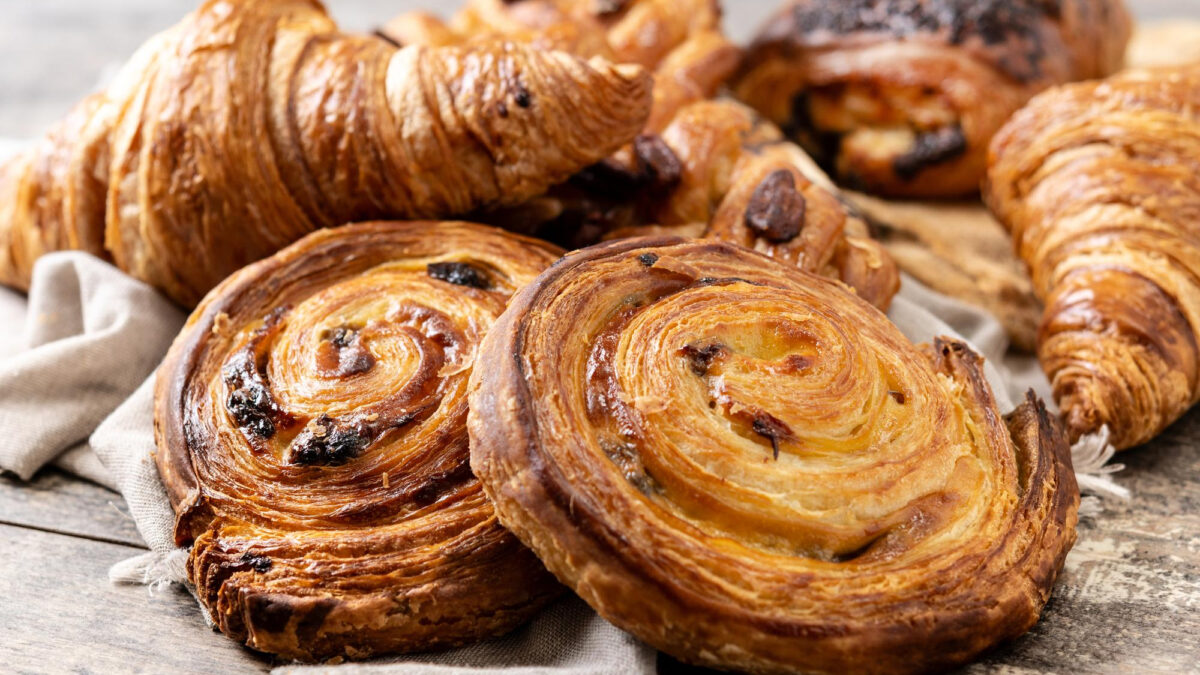

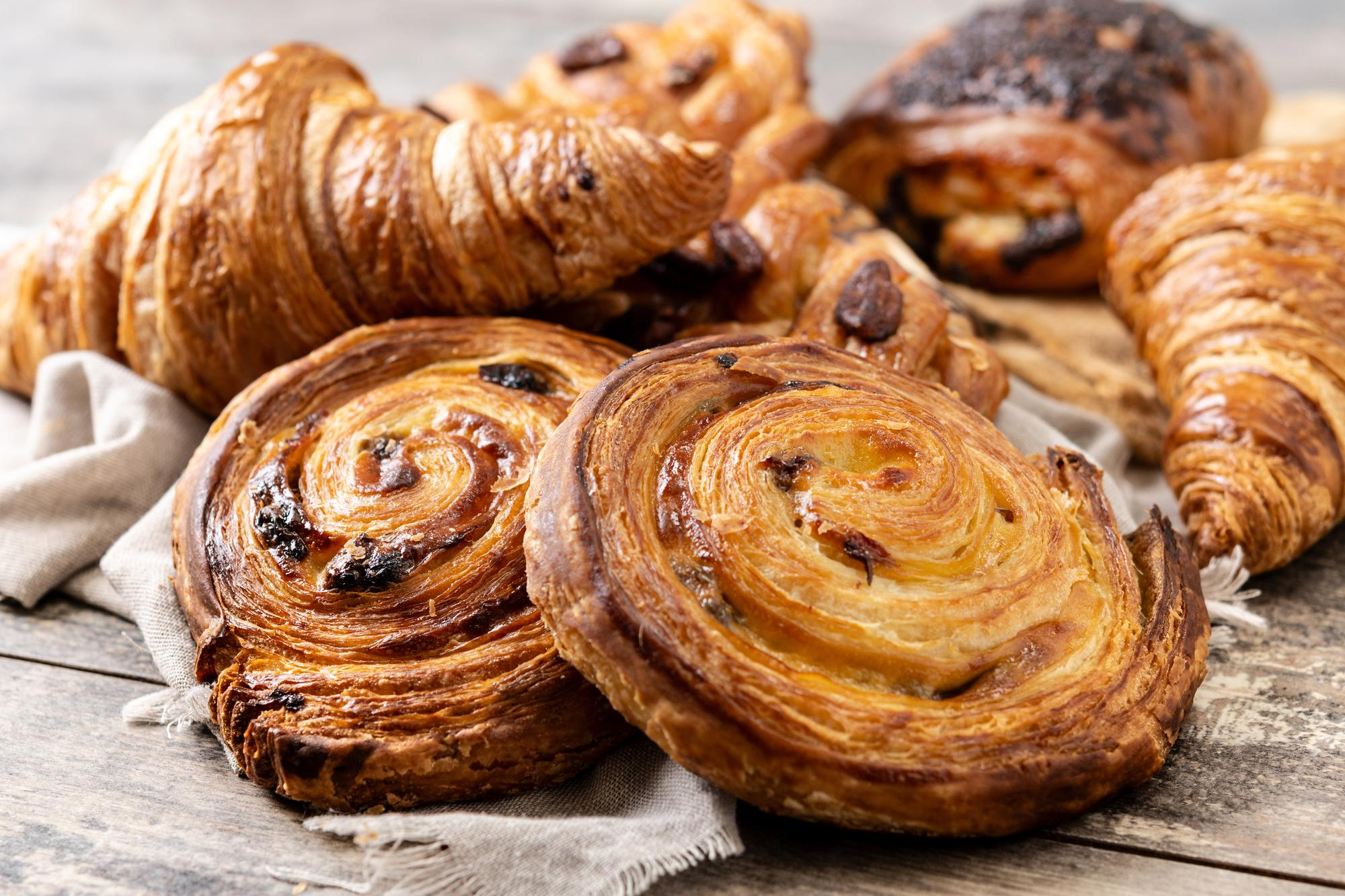
Paris is a city that rewards curiosity in small bites. Not museum bites, not “one big dinner reservation” bites—actual bites: a warm croissant with shattering layers, a baguette with a singing crust, a pastry so precise it looks engineered.
A bakery crawl works because it turns the city into a sequence of tiny, satisfying decisions. You’re not committing to one neighborhood or one menu. You’re building a little edible argument about what Paris does best: flour, butter, patience, and craft.
And if you’re a first-timer, it’s also the easiest way to feel local fast. Walk. Queue. Say bonjour. Point at the thing you can’t pronounce. Leave with a paper bag that perfumes your whole day.
The Paris bakery vocabulary you need (in 90 seconds)
A quick cheat-sheet so signs and labels make sense:
- Boulangerie = a place that bakes bread on-site. If they can’t legally call themselves a boulangerie, it’s usually because bread isn’t baked there.
- Pâtisserie = the sweets kingdom: tarts, éclairs, entremets, layered mousse things that look like art.
- Viennoiserie = the breakfast overlap zone: croissants, pain au chocolat, brioche, swirls, buns.
One more thing: if you see “au beurre”, you want that. Butter wins.
How to do a bakery crawl without a sugar hangover
You don’t need to be hardcore. You just need a strategy.
Go early.
The best viennoiseries are peak-fresh in the morning. Also: lines are calmer.
Share everything.
If you’re with someone, split pastries. If you’re solo, buy smaller items or plan “half now, half later.”
Alternate sweet and savory.
A baguette sandwich in the middle of the day is not cheating—it’s smart pacing.
Hydrate and bring napkins.
You will be covered in flakes. This is normal and correct.
Build in sitting breaks.
A crawl is walking + pausing. If it turns into sprinting between bakeries, you’ll stop tasting.
The itinerary overview (2 days, beginner-friendly)
This route keeps travel simple and clusters stops by area. It’s designed for 4–5 stops per day, which is plenty.
Day 1: Right Bank classics + “best baguette” energy
Baguette winner → historic pâtisserie → modern pastry spectacle → optional extra bread/pastry stop → canal stroll
Day 2: Left Bank icons + pastry precision
Award-winning croissant → macaron legend → iconic sourdough → Saint-Germain sweet stop → a final “choose your own obsession”
Day 1: Right Bank classics + the “baguette moment”
Stop 1: Boulangerie La Parisienne – Faubourg Poissonnière — start with the baguette
If you’ve never had a truly great baguette, start here. It won the Grand Prix de la baguette de Paris 2025, which is basically Paris telling you, “Yes, this one.”
What to order
- A baguette tradition (eat a bit plain first—seriously).
- If you want something practical for later: ask for a jambon-beurre style sandwich on their baguette (simple, perfect).
Why first?
Because bread is a baseline (not a location!), and once you lock in what “good crust + tender crumb” tastes like, everything else becomes clearer.
Walk a bit, let Paris be Paris
Between stops, don’t rush. This is where the crawl becomes a city experience, not a checklist.
Look for the rhythm: commuters grabbing coffee, shopkeepers hosing sidewalks, the smell of fresh baking drifting out like an invitation. You’re not just eating pastries—you’re watching the city fuel itself.
Stop 2: Stohrer — old-school Paris, still undefeated
This is one of those places that feels like a time capsule in the best way. Stohrer is widely credited as the oldest pâtisserie in Paris (founded in 1730).
It’s also famous for the rum baba, which Wikipedia notes was created there.
Useful details
- Address: 51 rue Montorgueil, 75002
- Opening times (listed by Stohrer): Mon–Sat 8:00–20:30, Sun 8:00–20:00
What to order
- Baba au rhum (if you want tradition and drama)
- Or pick something classic like a religieuse (also noted as a signature).
How to eat it
Don’t overthink. Sit on a nearby bench and let “old Paris” do its thing.
Stop 3: Cédric Grolet Opéra — the pastry that looks like a sculpture
If you want one modern “wow” stop, do it here. The pastries are famously photogenic, but they’re also engineered around texture: crisp shell, creamy center, clean flavors.
Useful details
- Address: 35 avenue de l’Opéra, 75002
- Hours (site lists): Wednesday to Sunday, 9:00–18:00
What to order
- Choose one signature fruit-shaped pastry (this is the point).
- If lines are intense, treat it like a gallery: pick one item, move on, keep the crawl flowing.
Realistic first-timer tip
This stop is popular, so decide in advance: you’re here for one thing. It keeps the crawl fun instead of exhausting.
Optional Stop 4 (if you want “more pastry, less fuss”): BO&MIE – Turbigo
This is a good “variety stop” when you want a big display, lots of options, and strong execution.
Useful details
- Address: 18 rue de Turbigo, 75002
What to order
- A babka or laminated pastry that catches your eye (go with your instincts here).
Afternoon reset: Canal Saint-Martin vibe walk
If you can, finish Day 1 with a stroll near Canal Saint-Martin. It’s the perfect “digest and wander” zone—very Paris, very first-timer friendly.
Stop 5 (weekday-only warning): Du Pain et des Idées — the cult bakery stop
This is one of the most loved bakeries in the city for good reason: beautiful breads, brilliant viennoiseries, and that “you’re in the know” feeling.
Useful details
- Address: 34 rue Yves Toudic, 75010
- Many guides note it’s closed on weekends, so plan this on a weekday.
What to order
- Their iconic escargot-style swirl pastries (especially chocolate/pistachio styles are frequently cited as a specialty).
- Or go for a classic croissant and compare it to Day 2’s croissant stops.
Tiny etiquette move
If the counter is busy, don’t hover—decide fast, order politely, step aside. Paris bakeries move with purpose.
Day 2: Left Bank icons + pastry precision
Day 2 is about dialing in your favorites: croissant excellence, macaron mastery, and one iconic loaf.
Stop 1: La Maison d’Isabelle — the award-winning croissant stop
If you only do one “best croissant” destination, do this. Multiple sources note it won the Best Croissant in Paris award in 2018.
Useful details
- Address: 47ter Boulevard Saint-Germain, 75005
- Hours noted by a Paris guide: Tue–Sun, 6:00–20:30 (closed Monday)
What to order
- Croissant au beurre (obviously)
- Add a second item only if you’re hungry—this is a “quality over quantity” stop.
How to taste like a nerd (in a good way)
Before you bite: smell it. A great croissant should smell like butter and toasted grain, not sugar.
Stop 2: Pierre Hermé – Bonaparte — the macaron legend
Pierre Hermé is basically the philosopher-king of macarons. His signature flavor Ispahan (rose, lychee, raspberry) is an iconic combination on the brand’s own site.
Useful details
- Address: 72 rue Bonaparte, 75006
- The brand lists this shop and hours on its “our shops” page.
What to order
- A small box of macarons (mix classics + one adventurous flavor).
- If you see Ispahan in pastry form, that’s the “try it once” move.
Stop 3: Poilâne — the iconic sourdough loaf
Poilâne is legendary for its rustic sourdough style, and the original bakery is at 8 Rue du Cherche-Midi.
This is where your crawl stops being “dessert tourism” and becomes “bread culture.” It’s the kind of loaf that makes you understand why French people can eat bread daily and never get bored.
What to order
- A slice or small piece of their signature-style loaf (or a small baked good if you’re not carrying bread around all day).
Practical tip
If you buy a loaf, it becomes your picnic plan. Paris is generous like that.
Stop 4: Maison Mulot — Saint-Germain sweet + savory temptation
This is a classic Left Bank stop with plenty of “choose your own adventure” energy: pastries, breads, and also prepared foods.
Useful details
- Address: 76, rue de Seine, 75006
What to order
- A fruit tart if you want something lighter and bright.
- Or a small savory item if you’re balancing sugar.
Stop 5 (finale option): La Pâtisserie Cyril Lignac – Sèvres — polished, modern, extremely good
Cyril Lignac’s shops are a reliable way to end a crawl with something that feels “chef-y” but still comforting.
Useful details
- One flagship address: 133 rue de Sèvres, 75006
What to order
- A signature pastry or tarte that speaks to you.
- If you’re already full, grab something for later (future-you will be thrilled).
The 1-day “lite” version (if you only have one morning)
If you want maximum payoff with minimal travel, do this:
- La Parisienne (baguette winner)
- Stohrer (historic pâtisserie)
- Cédric Grolet Opéra (modern showstopper)
- Du Pain et des Idées (weekday cult bakery)
That’s a complete story: bread → history → modern art pastry → bakery culture.
What to bring (tiny kit, huge upgrade)
- A reusable tote (paper bags tear)
- Wet wipes or napkins
- Water bottle
- Phone notes app (write down what you loved)
- A little patience (lines are part of the ritual)
How much does this cost?
It depends on your pastry choices, but the nice thing about a crawl is you control the budget. You can do it “snack-sized” or go full celebratory.
My advice: pick one premium stop (usually the high-end pâtisserie), then keep the rest simple and classic.
First-timer mistakes to avoid
Don’t buy five croissants in a row.
Your taste buds will stop noticing differences.
Don’t skip bread.
Bread is the backbone of the whole culture.
Don’t plan Du Pain et des Idées on a weekend.
Many sources note it’s closed Saturdays and Sundays.
Don’t forget to say bonjour.
This isn’t a performance. It’s just how the day starts.
