
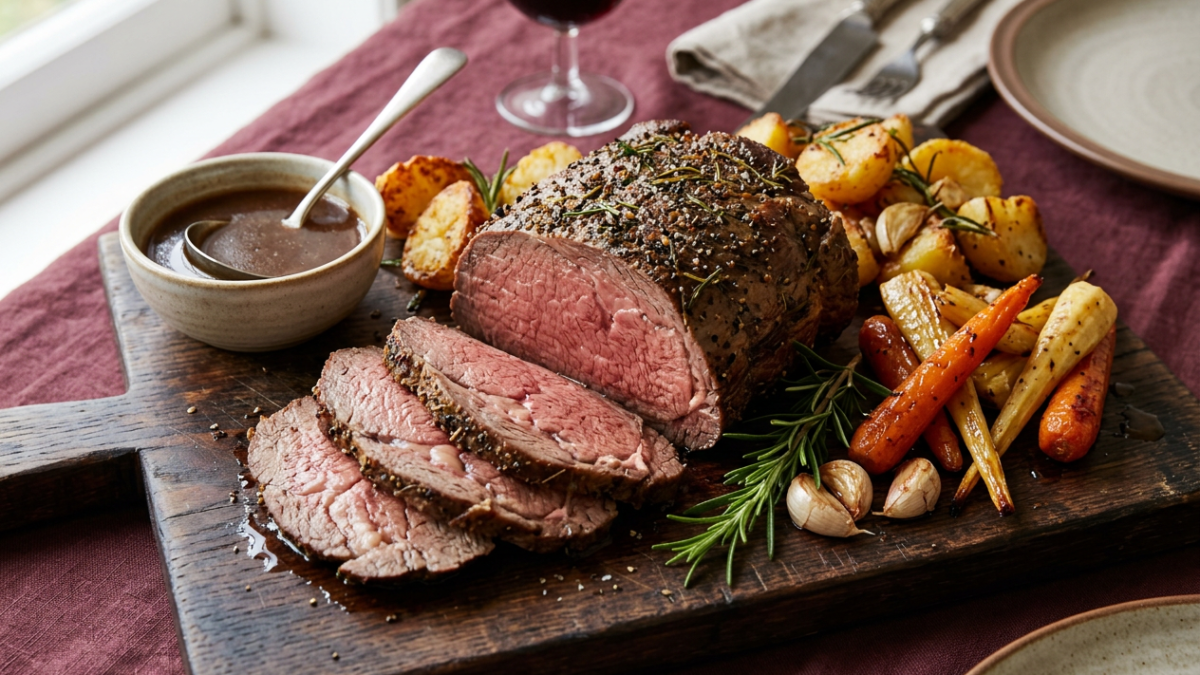

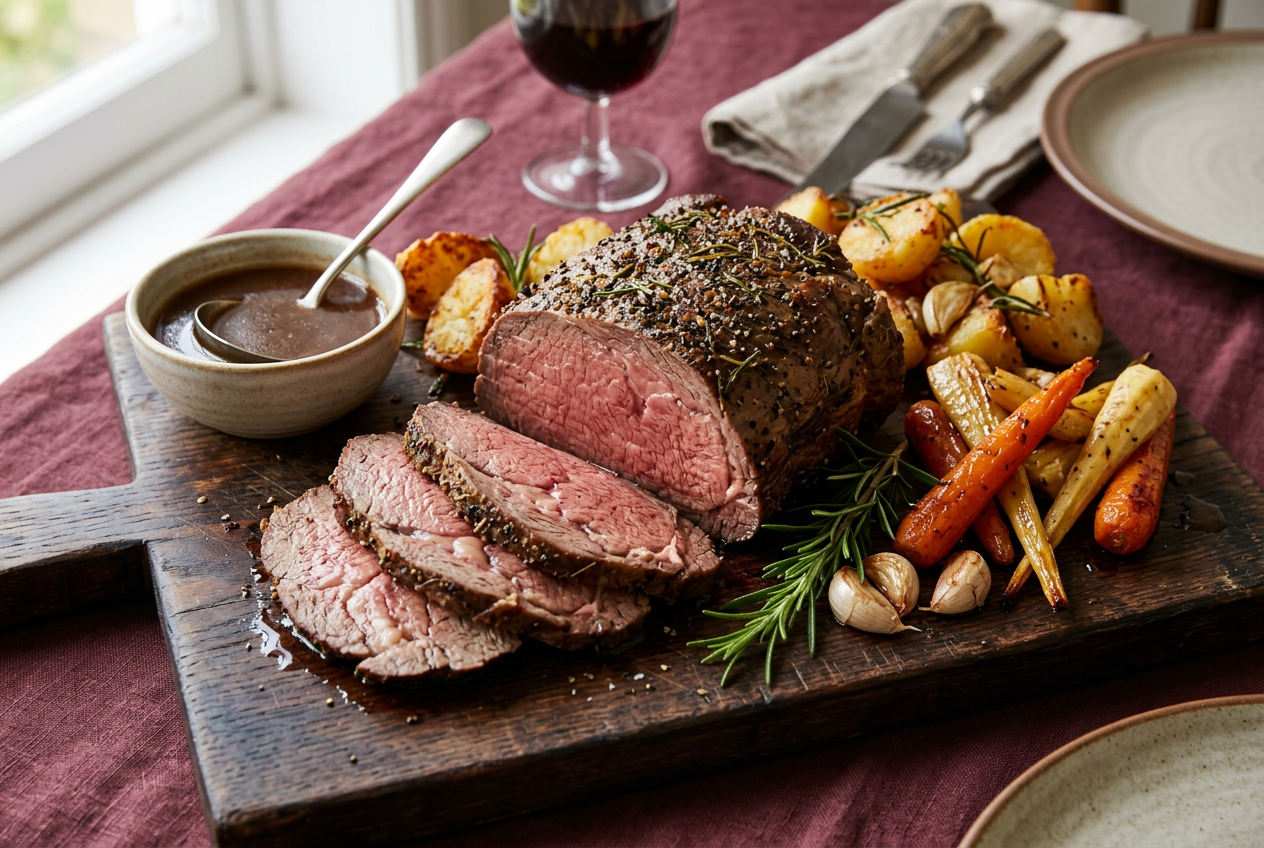
Cooking a beef roast is one of the most reliable ways to make a comforting, satisfying meal that feels both simple and impressive. Whether you are preparing Sunday dinner for the family, planning a holiday meal, or just wanting leftovers for sandwiches and meal prep, a well-cooked beef roast can do it all.
The good news is that learning how to cook a beef roast is not difficult. Most of the work comes down to choosing the right cut, seasoning it well, using the proper oven temperature, and giving it enough time to rest before slicing. Once you understand those basics, you can make a tender, flavorful roast with confidence.
In this guide, you will learn how to cook a beef roast step by step, which cuts work best, how long to cook it, what temperature to aim for, and how to avoid common mistakes. By the end, you will have a clear method you can use again and again.
Why a Beef Roast Is Worth Making
A beef roast is one of those classic meals that offers a lot of value. It can feed several people, it often requires only a few ingredients, and it creates rich flavors with very little fuss. It also gives you flexibility. You can serve it with potatoes and vegetables for a traditional dinner, or save extra slices for wraps, grain bowls, sandwiches, and salads.
Another reason people love beef roast is that it feels special without requiring advanced cooking skills. A few seasonings, a hot pan, and a steady oven are often all you need to create a meal that looks and tastes like you spent much more time on it than you actually did.
Best Cuts for Beef Roast
One of the first steps in learning how to cook a beef roast is understanding that not all cuts behave the same way. Some are naturally tender and better for roasting to medium-rare, while others are leaner or tougher and benefit from slower cooking.
Chuck Roast
Chuck roast is a popular choice because it has strong beefy flavor and enough marbling to become tender over time. It is often used for pot roast, but it can also work beautifully when roasted carefully. This cut is ideal if you want a hearty, rich result.
Rib Roast
Rib roast, including prime rib, is one of the most tender and flavorful options. It is more expensive, but it delivers a classic roast beef texture that is juicy and impressive. This is a common choice for holiday meals and celebrations.
Sirloin Tip Roast
Sirloin tip roast is leaner than chuck or rib roast, but it still works well in the oven. Because it is less fatty, it can dry out if overcooked. It is best for people who want a more budget-friendly roast that still slices nicely.
Top Round Roast
Top round roast is another lean cut often used for roast beef. It is flavorful, but it benefits from careful temperature control and thin slicing. This is a good choice if you plan to serve your roast with gravy or use leftovers in sandwiches.
Bottom Round Roast
Bottom round roast is a bit tougher than top round but still useful for roast beef. It can be delicious when cooked low and slow and sliced very thin against the grain.
Ingredients for a Simple Beef Roast
A great beef roast does not need a long list of ingredients. In fact, a basic seasoning blend often produces the best result because it lets the natural flavor of the beef stand out.
Here is a simple ingredient list:
- 1 beef roast, about 3 to 5 pounds
- 2 to 3 tablespoons olive oil
- 2 teaspoons kosher salt
- 1 to 2 teaspoons black pepper
- 1 teaspoon garlic powder
- 1 teaspoon onion powder
- 1 teaspoon dried rosemary or thyme
- 1 teaspoon paprika, optional
- 1 to 2 cups beef broth or stock
- Onion, carrots, and potatoes, optional
You can also add fresh garlic, fresh herbs, or Worcestershire sauce for extra depth.
How to Prepare the Beef Roast
Preparation makes a major difference. A roast placed straight into the oven without thought can still turn out decent, but a few extra steps will improve flavor and texture.
Bring It Closer to Room Temperature
Take the roast out of the refrigerator about 30 to 60 minutes before cooking. This helps it cook more evenly. Do not leave it out for too long, but giving it a little time on the counter can help the center roast more predictably.
Pat It Dry
Use paper towels to pat the roast dry. This is especially important if you want a good crust. Moisture on the surface can interfere with browning.
Season Generously
Rub the roast with olive oil, then coat it evenly with salt, pepper, garlic powder, onion powder, and herbs. Be sure to season all sides. Larger cuts need more seasoning than many people expect.
Should You Sear a Beef Roast First?
Searing is not required, but it is strongly recommended. Browning the outside of the roast in a hot skillet helps build flavor and color. It also improves the final appearance.
Heat a heavy pan or Dutch oven over medium-high heat. Add a little oil, then sear the roast for about 2 to 3 minutes per side until a deep brown crust forms. This step can make a noticeable difference in the final dish.
If your roasting pan is stovetop-safe, you can sear and roast in the same vessel, which saves cleanup.
How to Cook a Beef Roast in the Oven
This is the classic method for cooking a beef roast, and it works well for most cuts.
Step 1: Preheat the Oven
Preheat your oven to 325°F. This temperature is a dependable middle ground for roasting beef. It is hot enough to cook efficiently but gentle enough to help maintain moisture.
Step 2: Add Aromatics and Liquid
Place chopped onions, carrots, and potatoes in the bottom of your roasting pan if using. Pour in beef broth or stock around the roast, not directly over the top. The liquid helps keep the environment moist and can later become the base for gravy.
Step 3: Roast Until It Reaches the Right Internal Temperature
Cooking time depends on the size and cut of the roast. A general estimate is about 20 to 25 minutes per pound at 325°F for medium-rare to medium doneness, but the best way to know when it is ready is to use a meat thermometer.
Internal temperature guide:
- Rare: 120°F to 125°F
- Medium-rare: 130°F to 135°F
- Medium: 140°F to 145°F
- Medium-well: 150°F to 155°F
- Well-done: 160°F and above
For most beef roast recipes, medium-rare or medium gives the best balance of tenderness and flavor.
Step 4: Rest the Roast
Once the roast comes out of the oven, tent it loosely with foil and let it rest for 15 to 25 minutes. This step is essential. Resting allows the juices to redistribute so they stay in the meat when you slice it.
If you skip this, much of the moisture can run out onto the cutting board.
How Long to Cook a Beef Roast
A common question is how long to cook a beef roast. The answer depends on the roast size, the cut, the oven, and your target doneness.
Here is a rough oven guide at 325°F:
- 3-pound roast: 1.5 to 2 hours
- 4-pound roast: 2 to 2.5 hours
- 5-pound roast: 2.5 to 3 hours
These are only estimates. Always rely on internal temperature more than the clock.
A digital meat thermometer is one of the best tools you can use. It removes guesswork and helps prevent overcooking.
How to Make Beef Roast More Tender
Tenderness depends on both the cut and the method. Some roasts are naturally tender, while others need more time.
To make your beef roast as tender as possible:
Choose the Right Cut
Rib roast is naturally more tender than round roast. Chuck roast has more connective tissue, but it becomes tender with longer cooking.
Do Not Overcook Lean Cuts
Round and sirloin tip roasts can dry out if cooked too long. Pull them from the oven once they hit the right internal temperature.
Slice Against the Grain
After resting, examine the meat fibers and slice across them, not parallel to them. This shortens the muscle fibers and makes each bite easier to chew.
Use Moisture Wisely
A bit of broth in the pan can help, especially for leaner cuts. For tougher roasts, a covered roasting method or braising approach can create a softer result.
Common Mistakes When Cooking a Beef Roast
Even a simple meal can go wrong if a few key details are missed. Here are some of the most common mistakes people make.
Not Using a Thermometer
This is probably the biggest mistake. Oven timing alone is not precise enough. A thermometer gives you real control over the result.
Skipping the Rest Time
Cutting too early causes juice loss and can make the roast seem drier than it really is.
Under-Seasoning
A large cut of meat needs enough salt and seasoning to bring out its flavor. Be generous, especially on the outer surface.
Cooking Straight From the Fridge
An ice-cold roast may cook unevenly, with the outside done before the inside catches up.
Slicing the Wrong Way
Even a perfectly cooked roast can feel tougher if it is sliced with the grain instead of against it.
Best Side Dishes for Beef Roast
A beef roast pairs well with many classic side dishes. You can keep it traditional or build a meal around what you already have in the kitchen.
Popular options include:
- Mashed potatoes
- Roasted carrots
- Green beans
- Yorkshire pudding
- Buttered peas
- Garlic bread
- Creamy horseradish sauce
- Gravy
- Roasted Brussels sprouts
- Baked sweet potatoes
If you want an easy one-pan dinner, roast potatoes, carrots, and onions in the same pan as the beef.
How to Make Gravy From the Drippings
One of the best bonuses of cooking a beef roast is the pan drippings. Those browned bits and juices can turn into a rich homemade gravy.
After removing the roast, pour the drippings into a small saucepan. Skim off excess fat if needed. Add a tablespoon or two of flour to make a roux, whisk well, then slowly pour in more beef broth. Simmer until thickened. Add salt and pepper to taste.
You can also strain the liquid first for a smoother gravy.
Leftover Beef Roast Ideas
Another reason to cook a beef roast is the leftovers. A single roast can stretch into several meals.
Try using leftover roast beef in:
Sandwiches
Pile thin slices onto crusty bread with mustard, horseradish, cheese, or caramelized onions.
Wraps
Add roast beef to tortillas with lettuce, tomatoes, and a creamy sauce.
Hash
Dice leftover beef and cook it with potatoes and onions for a hearty breakfast or brunch.
Salads
Slice the beef thin and serve it cold over greens with a sharp vinaigrette.
Rice Bowls
Pair roast beef with rice, roasted vegetables, and gravy or a light sauce.
Can You Cook a Beef Roast at a Lower Temperature?
Yes. Many people prefer low-temperature roasting because it helps the meat cook more evenly. Cooking at 250°F to 275°F can produce a very tender roast, especially for larger cuts. The tradeoff is that it takes longer.
Low roasting can be a great option if you want more control and a gentle cooking process. You can even finish with a quick blast of heat at the end or a final sear for better browning.
Can You Cook a Beef Roast in a Dutch Oven?
Absolutely. A Dutch oven works especially well for chuck roast or other cuts that benefit from a moist environment. It traps heat and moisture and helps tougher roasts become fork-tender.
For this method, sear the roast first, add broth and vegetables, cover with the lid, and cook at a lower oven temperature until tender. This style leans more toward pot roast than classic sliced roast beef, but it is excellent for comfort food.
Simple Beef Roast Recipe
Here is a basic method you can follow:
Ingredients
- 1 beef roast, 3 to 5 pounds
- 2 tablespoons olive oil
- 2 teaspoons kosher salt
- 1 teaspoon black pepper
- 1 teaspoon garlic powder
- 1 teaspoon onion powder
- 1 teaspoon dried thyme or rosemary
- 1 cup beef broth
- 1 onion, cut into wedges
- 4 carrots, chopped
- 4 potatoes, chopped
Instructions
- Preheat the oven to 325°F.
- Remove the roast from the fridge 30 to 60 minutes before cooking.
- Pat the roast dry and rub with olive oil.
- Mix the salt, pepper, garlic powder, onion powder, and herbs, then coat the roast evenly.
- Sear the roast in a hot pan for 2 to 3 minutes per side.
- Place onions, carrots, and potatoes in a roasting pan.
- Set the roast on top and pour beef broth into the pan.
- Roast until the internal temperature reaches your preferred doneness.
- Remove from the oven and rest for 15 to 25 minutes.
- Slice against the grain and serve.
Frequently Asked Questions About Cooking a Beef Roast
What is the best temperature to cook a beef roast?
For most oven-roasted beef, 325°F is a dependable choice. It gives good browning and even cooking without being too aggressive.
Do I need to cover the roast?
It depends on the cut and the result you want. Leaving it uncovered helps create a crust. Covering it can help preserve moisture, especially for tougher cuts.
How do I know when beef roast is done?
Use a meat thermometer and check the internal temperature in the thickest part of the roast.
Why is my beef roast tough?
It may be undercooked, overcooked, or sliced incorrectly. Tougher cuts also need more time or more moisture to become tender.
Can I season the roast the night before?
Yes. Seasoning in advance can deepen flavor. Keep the roast covered in the refrigerator, then bring it out before cooking.
Final Thoughts
If you want a dependable, hearty meal, learning how to cook a beef roast is a skill worth having. It is simple enough for a regular family dinner but impressive enough for guests and special occasions. The key steps are choosing a good cut, seasoning it well, monitoring the internal temperature, and letting it rest before slicing.
Once you make it a few times, the process becomes second nature. You will start to understand which cuts you prefer, what level of doneness you like best, and which sides complete the meal for your table. From classic oven-roasted beef to slow-cooked comfort food, a beef roast is one of the most useful and rewarding dishes to have in your cooking rotation.
