
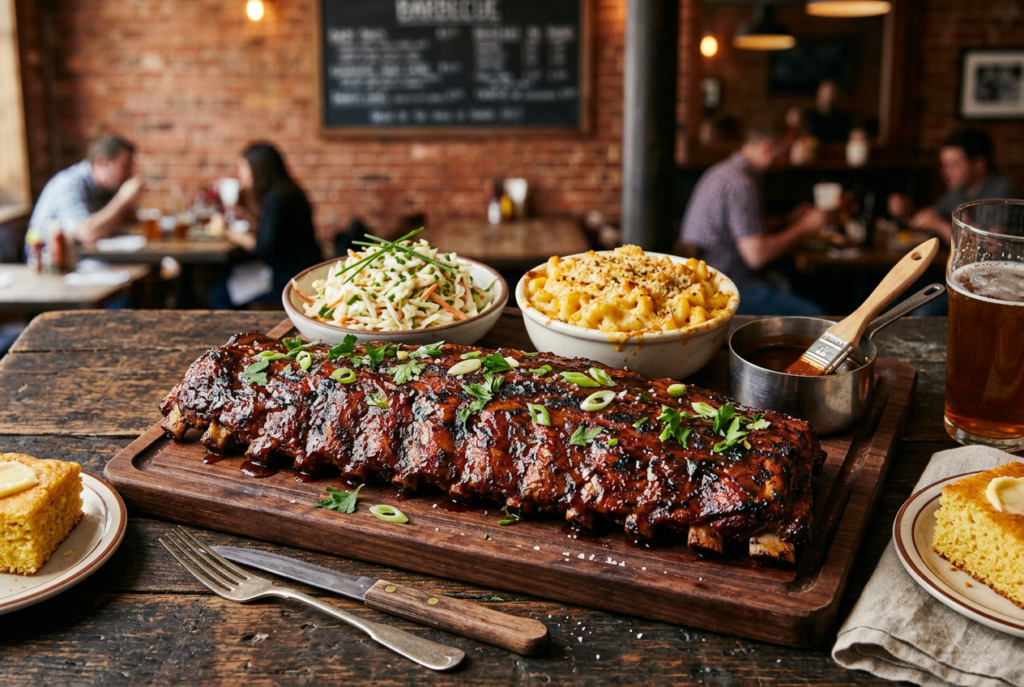
Slow cooked ribs are one of the easiest ways to make a rich, satisfying meal at home. When cooked low and slow, ribs become tender, juicy, and packed with flavor without needing complicated techniques or expensive equipment.
If you have ever wondered how to slow cook ribs so they turn out soft, smoky, and delicious, this guide walks you through every step. From choosing the best cut to seasoning, cooking, glazing, and serving, you will learn how to make slow cook ribs that taste like they took all day of hands-on work, even though the process is mostly simple and forgiving.
Whether you are making dinner for family, meal prepping for the week, or planning a weekend comfort-food feast, slow cooking ribs is one of the most reliable ways to get great results.
Why Slow Cook Ribs?
Ribs contain connective tissue and fat that need time to break down properly. Fast cooking can leave them chewy or uneven. Slow cooking gives the meat enough time to soften while keeping it moist.
That is the biggest reason why slow cook ribs are so popular. The method turns a tougher cut into something tender and flavorful.
There are a few other reasons people love this cooking style:
- It is beginner-friendly
- It creates deep flavor
- It works well with many seasonings and sauces
- It is hard to overcomplicate
- It fits both busy weeknights and weekend meals
When people search for how to slow cook ribs, they usually want one thing: ribs that are tender without falling apart into mush. The good news is that with the right timing and a few simple steps, that is easy to achieve.
The Best Types of Ribs for Slow Cooking
Before you start, it helps to know which type of ribs you are using. Different cuts cook a little differently, but all can work well in a slow cooker.
Baby Back Ribs
Baby back ribs are smaller, leaner, and often a little more tender than other styles. They cook well in a slow cooker and are a good option if you want ribs that hold their shape nicely.
They also tend to cook a bit faster than larger cuts.
Spare Ribs
Spare ribs are larger, meatier, and have more fat. That extra fat brings flavor, especially during slow cooking. They may need a little more trimming, but they are excellent for rich, juicy results.
St. Louis-Style Ribs
These are spare ribs that have been trimmed into a more even rectangle. They are easier to handle, easier to portion, and cook very evenly. Many home cooks like this cut because it combines the flavor of spare ribs with a cleaner shape.
Country-Style Ribs
These are not technically traditional ribs, but they are often grouped in the same category. Country-style ribs are cut from the shoulder area and contain more meat. They work very well in a slow cooker and are a good choice if you want fork-tender pieces with less bone.
Ingredients for Slow Cook Ribs
One of the best things about learning how to slow cook ribs is that the ingredient list can stay very simple. You do not need a long list to build big flavor.
Here is a classic base:
For the Ribs
- 2 racks pork ribs, about 4 to 5 pounds total
- 1 to 2 cups barbecue sauce
- 1 small onion, sliced
- 3 to 4 garlic cloves, minced
- 1/4 cup apple juice, broth, or water
For the Dry Rub
- 2 tablespoons brown sugar
- 1 tablespoon paprika
- 2 teaspoons salt
- 1 teaspoon black pepper
- 1 teaspoon garlic powder
- 1 teaspoon onion powder
- 1/2 teaspoon chili powder
- 1/2 teaspoon smoked paprika or cumin, optional
This blend creates a balanced flavor that works well with most barbecue sauces. You can make it sweeter, smokier, spicier, or more savory depending on your preference.
How to Prepare Ribs Before Slow Cooking
Preparation matters. A few small steps at the start can improve both flavor and texture.
Remove the Membrane
On the back of many racks of ribs, there is a thin membrane. If left on, it can become chewy and keep seasonings from penetrating well.
To remove it, slide a butter knife under the membrane on one end. Grip it with a paper towel and pull. Sometimes it comes off in one piece. Sometimes it tears. That is normal.
Trim Excess Fat
A little fat is good. Too much can leave the finished ribs greasy. Trim any large, thick sections, but do not remove everything. Some fat helps keep the meat juicy.
Pat Dry
Use paper towels to pat the ribs dry before seasoning. This helps the dry rub stick better and gives you a more even coating.
Apply the Dry Rub
Rub the seasoning all over both sides of the ribs. Press it in well. If you have time, let the ribs sit for 30 minutes at room temperature or refrigerate them for a few hours. That extra time helps the flavor settle into the meat.
How to Slow Cook Ribs Step by Step
Now comes the main part: the actual cooking process.
Step 1: Cut the Ribs to Fit
Most slow cookers cannot hold a full rack of ribs laid flat. Cut the racks into smaller sections, usually in halves or thirds, so they fit easily.
You can stand them upright in the slow cooker in a circle, or stack them slightly if needed.
Step 2: Add Aromatics to the Cooker
Place sliced onion and garlic at the bottom of the slow cooker. This creates a flavorful base and helps keep the meat from sitting directly on the bottom.
Step 3: Add a Small Amount of Liquid
Pour in apple juice, broth, or water. You do not need much. Ribs release their own juices as they cook. The slow cooker should not be filled with liquid like a soup or stew.
Too much liquid can wash away flavor and leave the ribs overly soft.
Step 4: Arrange the Ribs
Place the seasoned ribs into the slow cooker. They can lean along the sides or sit in a loose spiral. Just make sure the lid closes securely.
Step 5: Add Sauce Lightly
You can brush a little barbecue sauce over the ribs before cooking, but do not drown them. A light coating is enough. Save most of the sauce for the end.
Step 6: Cook Low and Slow
Cook on low for 7 to 8 hours or on high for 4 to 5 hours.
Low heat usually gives the best texture. It allows the connective tissue to break down gently, which helps the ribs stay moist and tender.
Step 7: Finish for Better Texture
Once the ribs are cooked, they will be very tender, but they may not have the caramelized outside that many people love.
To fix that, transfer the ribs carefully to a baking sheet. Brush with more barbecue sauce and place them under the broiler for 3 to 5 minutes, or bake them at high heat until the sauce thickens and becomes glossy.
This finishing step makes a big difference. It adds color, texture, and a deeper barbecue-style flavor.
Low vs High: Which Setting Is Better?
A common question when learning how to slow cook ribs is whether to use low or high heat.
Low is generally better.
Cooking on low for a longer time allows the meat to become tender more gradually. That creates a better texture and reduces the chance of the ribs falling apart too much.
High heat works if you are short on time, but it can sometimes push the ribs past the ideal point more quickly.
A simple rule:
- Use low for the best overall texture
- Use high only when you need a faster option
How to Know When Slow Cook Ribs Are Done
Ribs should be tender, but not mushy. The meat should pull back slightly from the bones, and a fork should slide in with little resistance.
Here are a few signs they are ready:
- The meat looks cooked through and juicy
- The rack bends easily when lifted
- A fork or knife goes in smoothly
- The bones begin to show slightly at the ends
Be careful not to cook too long. Overcooked slow cook ribs can lose structure and become too soft.
Common Mistakes to Avoid
Even though slow cooking ribs is simple, a few common mistakes can affect the result.
Using Too Much Liquid
Ribs are not soup. A small splash of liquid is enough. Too much can dilute flavor and create a watery finish.
Skipping the Dry Rub
Sauce alone is not enough. A dry rub builds flavor into the meat itself. That gives the finished dish more depth.
Not Removing the Membrane
This step is easy to skip, but removing the membrane improves texture.
Overcrowding the Cooker
If the ribs are packed too tightly, they may cook unevenly. Arrange them so heat can circulate reasonably well.
Skipping the Final Broil
Slow cooker ribs are tender, but they often need a final heat blast to look and taste their best. That sticky, caramelized finish is worth the extra few minutes.
Best Sauces for Slow Cook Ribs
Barbecue sauce is the obvious favorite, but there is plenty of room to experiment.
Classic Barbecue Sauce
Sweet, tangy, and smoky. This is the go-to for most people and works well with nearly every rib rub.
Honey Garlic Sauce
A mix of sweetness and savory depth. Great if you want something sticky and rich without heavy smoke flavor.
Spicy Chipotle Sauce
Perfect for people who want heat and smokiness. Chipotle adds depth rather than just sharp spice.
Mustard Barbecue Sauce
Tangy and bold. This is especially good if you want something less sweet.
Asian-Inspired Glaze
A mixture of soy sauce, garlic, ginger, brown sugar, and a little vinegar can create a different but delicious take on slow cook ribs.
Dry Rub Variations to Try
A good dry rub can change the whole character of the dish. Once you know the basics, you can adjust the flavor profile.
Sweet and Smoky
Use brown sugar, smoked paprika, garlic powder, onion powder, salt, and pepper.
Spicy
Add cayenne, chili powder, and black pepper for more heat.
Savory
Reduce the sugar and increase garlic, onion, paprika, and herbs.
Maple-Inspired
Add a little maple sugar or brush with maple syrup near the end for a richer sweetness.
Should You Brown Ribs First?
You can, but you do not have to.
Some cooks like to sear or broil the ribs before putting them into the slow cooker. This can add extra color and a little more flavor. Still, it is not essential.
If convenience matters most, skip that step and focus on a good dry rub plus a strong finish under the broiler at the end.
Can You Make Slow Cook Ribs Ahead of Time?
Yes, and they reheat well.
This makes them a strong option for parties, weekend meal prep, or family dinners when you want less stress later.
You can cook the ribs fully, cool them, and refrigerate them. When ready to serve, brush with more sauce and reheat in the oven until warmed through. Finish under the broiler for the best texture.
Making them ahead can actually improve flavor because the seasonings and sauce settle in even more.
What to Serve with Slow Cook Ribs
Ribs are rich, so side dishes that balance the meal work best.
Popular choices include:
- Coleslaw
- Cornbread
- Baked beans
- Roasted potatoes
- Mac and cheese
- Corn on the cob
- Cucumber salad
- Rice or mashed potatoes
Fresh and crunchy sides help cut through the richness of the ribs. Something acidic, like slaw or pickles, can also brighten the plate.
How to Store Leftover Ribs
Let the ribs cool, then store them in an airtight container in the refrigerator for up to 4 days.
For longer storage, freeze them for up to 2 to 3 months. Wrap them tightly and include a little sauce to help protect them from drying out.
When reheating, use the oven when possible. Cover the ribs with foil and warm them at a moderate temperature until heated through. Add sauce before reheating if they seem dry.
The microwave works for speed, but it can affect texture.
Can You Slow Cook Beef Ribs Too?
Yes. The method also works for beef ribs, though the timing and richness are slightly different.
Beef ribs are larger and often fattier than pork ribs. They can handle bold seasoning and benefit from slow cooking just as much. Expect a deeper, heavier flavor and a more substantial bite.
The same general method applies:
- Season well
- Use a small amount of liquid
- Cook low and slow
- Finish with sauce or glaze if desired
Are Slow Cooker Ribs Better Than Oven Ribs?
That depends on what matters most to you.
Slow cooker ribs are excellent for convenience. They are easy, mostly hands-off, and very forgiving.
Oven ribs often develop a better outer texture because dry heat helps create a firmer bark-like surface. Smoked ribs bring even more flavor, but they require extra equipment and time.
For home cooks who want a reliable and simple method, slow cook ribs are one of the best options. They may not taste exactly like competition barbecue, but they can be deeply flavorful, tender, and satisfying.
Frequently Asked Questions About How to Slow Cook Ribs
Do ribs need to be covered in liquid?
No. Only a small amount of liquid is needed. The slow cooker traps moisture well, and the ribs will release juices as they cook.
Can you put frozen ribs in a slow cooker?
It is better to thaw them first. Starting with thawed ribs helps them cook more evenly and more safely.
Can I use boneless ribs?
Yes. Boneless country-style ribs work very well in a slow cooker and may even be easier to serve.
Should I add barbecue sauce at the beginning or end?
A little at the beginning is fine, but most of it should be added near the end. That keeps the sauce from becoming too thin or overly cooked.
How do I keep ribs from falling apart?
Cook on low rather than high, and check them toward the end of the cooking time. Once ribs become fully tender, leaving them too long can make them overly soft.
Easy Slow Cook Ribs Recipe
Here is a simple version you can follow any time.
Ingredients
- 2 racks pork ribs
- 1 small onion, sliced
- 3 garlic cloves, minced
- 1/4 cup apple juice or broth
- 1 to 2 cups barbecue sauce
Dry Rub
- 2 tablespoons brown sugar
- 1 tablespoon paprika
- 2 teaspoons salt
- 1 teaspoon black pepper
- 1 teaspoon garlic powder
- 1 teaspoon onion powder
- 1/2 teaspoon chili powder
Instructions
- Remove the membrane from the back of the ribs and trim excess fat.
- Pat the ribs dry and rub all over with the seasoning mix.
- Cut the racks into sections that fit inside your slow cooker.
- Add onion, garlic, and apple juice to the bottom of the cooker.
- Arrange the ribs inside and brush lightly with barbecue sauce.
- Cover and cook on low for 7 to 8 hours or high for 4 to 5 hours.
- Carefully remove the ribs and place them on a baking sheet.
- Brush with more sauce and broil for 3 to 5 minutes until glossy and caramelized.
- Let rest briefly, then serve.
This method keeps the process simple while still giving you flavorful, tender ribs.
Tips for the Best Slow Cook Ribs Every Time
If you want consistent results, these small habits help a lot:
Use a Good Quality Rack
The better the starting meat, the better the final result. Look for ribs with a good amount of meat and even thickness.
Season Generously
Ribs are rich and can handle bold seasoning. Do not be shy with the dry rub.
Keep the Lid Closed
Every time you lift the lid, heat escapes and cooking slows down. Let the slow cooker do its work.
Finish With High Heat
Even a short broil transforms the appearance and texture of the ribs.
Rest Before Serving
A short rest helps the juices settle and makes the ribs easier to slice or separate.
Final Thoughts on How to Slow Cook Ribs
Learning how to slow cook ribs is one of the most useful kitchen skills for comfort food lovers. The method is easy, flexible, and rewarding. With a simple dry rub, a little patience, and a quick finish under high heat, you can make ribs that are tender, juicy, and full of flavor.
The best part is that slow cook ribs do not require expert-level technique. They just need the right cut, balanced seasoning, and enough time. Once you make them a few times, it becomes easy to adjust the flavors to suit your style, whether you prefer sweet barbecue, bold spice, or something more savory.
If your goal is to make ribs with minimal stress and maximum flavor, slow cooking is one of the best ways to do it. It turns a classic comfort food into a practical home-cooking win, and it gives you a dependable method you can come back to again and again.