
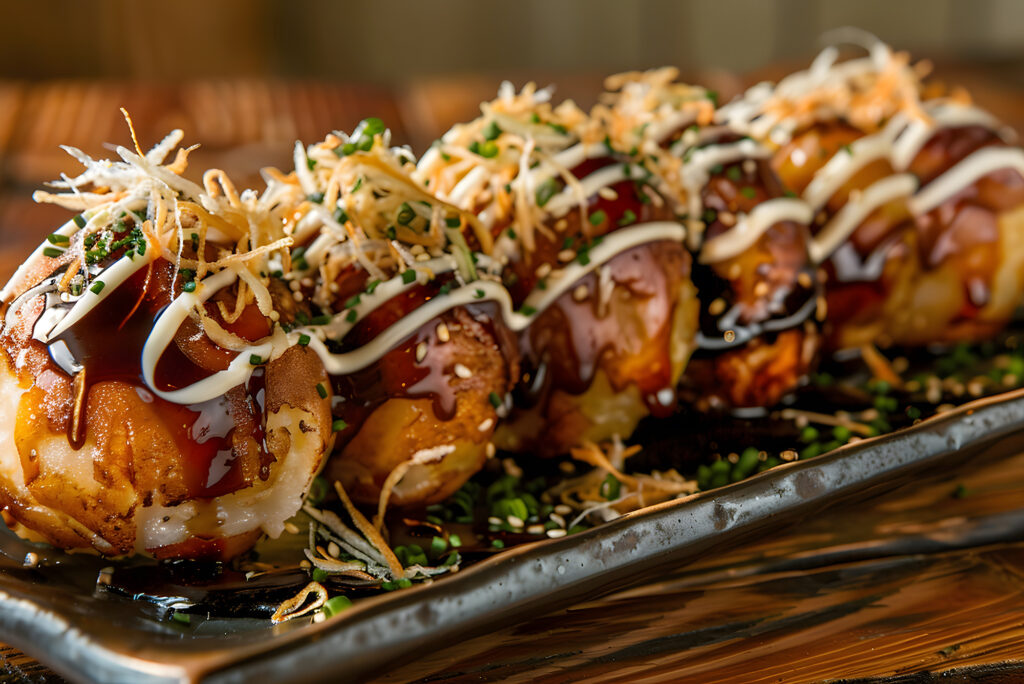
If Tokyo is on your bucket list for street food, you’re in luck: you can eat incredibly well here in every season. The trick is matching your street-food style (market grazing, late-night yakitori hopping, festival snacking, or cozy winter comfort foods) to the weather, crowds, and what’s actually “street” in a city where traditional food carts are more regulated than you might expect.
Tokyo’s street-food scene isn’t just one thing. Some of the best bites come from markets and shopping streets in the daytime, and from tiny alleyways and casual counter spots at night. So “best time to visit” is really two questions:
- What’s the best season to be outside and hungry all day?
- What’s the best time of day to catch each neighborhood at its tastiest?
Let’s solve both—then I’ll give you a month-by-month cheat sheet and a practical “how to eat” game plan you can actually use.
The sweet spot: when Tokyo street food feels effortless
For most travelers, the best time to visit Tokyo for street food is spring (late March–May) and autumn (late September–November).
These shoulder seasons usually hit the magic combo:
- Comfortable walking weather (you’ll be outdoors a lot)
- Seasonal snacks at their peak
- A city vibe that feels lively without being a sweaty endurance sport
One thing to keep in mind: spring is also famously popular—especially around cherry blossoms—so you get great atmosphere, but you may pay the “crowd tax” in lines and booked-out hotels.
If you want the same great eating with fewer people, late autumn is often the calmer twin of spring.
Quick answer by travel style
Here’s the “choose your own adventure” version:
- You want peak vibes + maximum variety: late March–May (spring)
- You want the best strolling weather + slightly fewer crowds: October–November (autumn)
- You want the cheapest flights/hotels and don’t mind bundling up: January–February (winter)
- You want festivals and don’t mind heat/humidity: July–August (summer)
- You hate rain and don’t want plans wrecked by weather: avoid the rainy stretch and peak humidity window (often early summer)
Now let’s break down what you’ll actually eat in each season, and why timing matters.
Spring street food in Tokyo (late March–May)
Spring is Tokyo in “main-character mode.” The city wakes up, everyone’s outside, and the seasonal flavors get brighter: fresh, lightly sweet, and snackable.
It’s also the season where walking between bites feels easiest. You can do 20,000 steps, stop constantly, and never feel like you’re melting or freezing.
What spring is best for
- Daytime grazing (markets + shopping streets)
- Seasonal sweets (strawberry everything, sakura-flavored treats)
- Picnic-friendly snacks you can carry while you wander
What to watch out for
Spring is peak travel season, especially around cherry blossoms, so popular food streets and famous markets can get packed.
The move: eat earlier and later than everyone else.
Spring eating strategy that works
- Do markets right after they open (or at least before noon).
- Treat afternoons as “snack time” in shopping streets.
- Save nightlife alleys for after dinner—when you’re in the mood to hop, not queue.
Summer street food in Tokyo (June–August)
Summer is high-energy, festival-heavy, and snack-forward… but also hot and humid. Tokyo’s warm season runs through late June into September, and August is typically the hottest stretch.
The good news: summer is when Tokyo feels most like a street-food city—because matsuri (festivals) bring out the grab-and-go classics.
What summer is best for
- Festival food: yakisoba, karaage, shaved ice, grilled skewers
- Late-night eating when the city cools down (a bit)
- Cold treats and refreshing drinks between bites
What to watch out for
Heat changes how you should plan your day. Instead of “walk all day,” summer is more like:
- morning food mission
- midday indoor recharge
- evening street-food crawl
Summer eating strategy that works
- Do your “serious eating” before lunch.
- Build in shade/AC breaks (department store basements are elite snack zones).
- Go hard after sunset: that’s when the city feels built for nibbling.
Autumn street food in Tokyo (late September–November)
Autumn is the food-lover’s stealth favorite.
The air gets crisp, walking is comfortable, and seasonal flavors turn nutty, roasted, and cozy—without winter’s deep chill. If spring is bright and floral, autumn is toasty and savory.
What autumn is best for
- All-day walking and eating without weather drama
- Roasted and grilled snacks that hit harder in cool air
- Nighttime alleyway hopping without sweating through your shirt
What to watch out for
Early autumn can still be warm, and late September can be unpredictable. But once you’re into October/November, this is prime street-food weather for most people.
Autumn eating strategy that works
- Treat daytime as markets + shopping streets.
- Treat evenings as yakitori alleys + bar-snack culture.
- If you’re a photographer: autumn neon + steam + skewers is chef’s kiss.
Winter street food in Tokyo (December–February)
Winter is underrated if you like comfort food and hate crowds.
Yes, it’s colder. But the city is still extremely active, and cold weather makes warm snacks feel ten times better: grilled skewers, hot broth, steamed buns, sweet potatoes.
Winter also tends to be easier on your budget and your patience.
What winter is best for
- Warm street snacks that you actually want hot
- Less crowded food streets (in general)
- Cozy night eating in alleys and tiny counters
What to watch out for
You’ll want gloves or pockets free for eating outside. Also, some market experiences are better earlier in the day—winter nights can get cold enough that you stop “wandering” and start “power-walking to the next warm place.”
Winter eating strategy that works
- Front-load outdoor snacking to daytime.
- Do night eating in places where you can tuck into a counter seat fast.
Month-by-month cheat sheet (street food edition)
Use this as your quick planner:
- March: early spring energy; seasonal sweets start showing up; crowds begin building.
- April: peak vibes (and peak crowds); best for food + atmosphere if you plan early starts.
- May: one of the most comfortable months to eat outside all day.
- June: humidity ramps up; plan more indoor breaks.
- July: festival season energy; eat later, hydrate more.
- August: hottest month vibe; focus on nights + cold treats.
- September: still warm early; gets better later; good if you’re flexible.
- October: arguably the easiest “just roam and snack” month.
- November: cool, crisp, peak comfort-snack season.
- December: festive mood; great for hot street snacks.
- January: lower crowds; excellent for budget and warm comfort bites.
- February: similar to January; solid if you dress smart and plan markets earlier.
The real secret: time of day matters as much as time of year
Tokyo’s “street food” isn’t always a literal cart on a sidewalk. A lot of the best action happens in:
- Outer markets (morning to early afternoon)
- Shopping streets (late morning through evening)
- Alleyways packed with tiny spots (night)
So let’s talk about where to eat and when each place shines.
Tsukiji Outer Market — best in the morning
Tsukiji’s outer market is basically a daytime snacking playground. The official site calls it a “Food Town,” and it’s built for grazing: you can find seafood, but also tempura, fried foods, ramen, rice balls, sweets, and more.
Best time of day: late morning (ideally before noon), when the market is fully awake but you still have time to wander.
Practical timing tip: many shops operate around 9 a.m. to 2 p.m., and closures can vary (often Sundays and some Wednesdays).
What to eat here (street-food style):
- Tamagoyaki on a stick
- Grilled seafood bites
- Fried snacks you can eat walking
- Quick sushi/sashimi-style snacks (more “market bite” than sit-down meal)
Best season for Tsukiji: spring and autumn, because standing around nibbling outside is just more pleasant when you’re not sweating or shivering.
Ameyoko (Ameya-Yokocho) — best for afternoon-to-evening grazing
This is one of the most “walk and snack” places in Tokyo. The official Tokyo tourism site describes it as a lively shopping street stretching about 500 meters between Ueno Station and **Okachimachi Station, packed with around 500 shops and stalls—plus international foods, fresh seafood, sweets, and snacks.
Best time of day: mid-afternoon into early evening, when the street vibe is buzzing and you can bounce between savory and sweet without committing to one big meal.
What to eat here (street-food style):
- Skewers and grilled bites
- Fried snacks
- Sweet treats for “walk dessert”
- Anything you can point at and eat immediately
Best season for Ameyoko: autumn is especially good—cool air, hot snacks, and that energetic street vibe without peak-summer humidity.
Toyosu Market — best for early mornings and seafood-focused trips
Toyosu is the modern successor to the wholesale fish market scene, and it keeps evolving with visitor-facing food areas. It’s not “street food” in the classic sense, but it’s a huge move if your version of street food includes “eat the freshest seafood possible, then keep snacking.”
Best time of day: early morning for the market energy; late morning for food.
Best season: any season works, because a lot of the experience is indoors/structured compared to open-air food streets.
Shinjuku after dark: alleys and micro-spots
If daytime Tokyo street food is “market grazing,” nighttime Tokyo street food is “alley hopping.”
Omoide Yokocho
This is one of the most iconic night-eating vibes: tight lanes, smoky grills, quick bites, and a feeling that you’ve wandered into a tiny food universe. It’s often described as having grown out of postwar-era Tokyo.
Best time of day: evening (go later if you want more atmosphere, earlier if you want fewer lines).
Best season: autumn and winter, because grilled skewers + crisp air is an unbeatable combo.
Golden Gai
More bar-snack culture than classic street food, but if you like tiny spots and a snack-with-a-drink rhythm, it fits perfectly into a Tokyo night crawl.
Best times to visit Tokyo for street food (by your priorities)
If you care most about comfort while eating outside
Go in October–November or May. These are the months where you can walk, snack, detour, repeat—without the weather bossing you around.
If you care most about “Tokyo energy”
Go in April (spring peak) or late July (summer festival season). Just accept that crowds are part of the deal.
If you care most about value (and shorter lines)
Go in January–February. You trade floral vibes for cozy food and breathing room.
If you’re chasing seafood-heavy snacking
Prioritize morning markets and go in seasons where early starts feel easy: spring or autumn. (Summer mornings can be great too—just plan an afternoon reset.)
A simple Tokyo street-food schedule that never fails
Here’s the day plan I’d use in any season, with small tweaks depending on weather:
Morning (9:00–11:30)
- Market grazing (Tsukiji-style)
- Aim for “small bites” instead of one big breakfast
This lines up well with typical market hours and the “visit before noon” reality.
Midday (12:00–14:30)
- Sit-down bowl or set meal
- Quick recharge (especially in summer)
Afternoon (15:00–18:00)
- Shopping street snacking (Ameyoko-style)
- Mix savory + sweet so you don’t get palate fatigue
Night (19:00–late)
- Alley crawl (yakitori lanes, micro-bars, snack plates)
- Go slower, hop more, order less per stop
What “street food” in Tokyo really means (so you don’t miss the best stuff)
A quick reality check: Tokyo has street food, but not always in the “rows of carts on every corner” way. Traditional food stalls (“yatai”) exist in Japan, but they’ve been shaped by regulations and are less common in Tokyo than in some other places. That’s why Tokyo’s best street-food experience often looks like markets, shopping streets, and tight alleyways instead of carts lined up on a single boulevard.
If you arrive expecting a Bangkok-style street-food sprawl, you might think you’re in the wrong place.
You’re not.
You just need to aim your appetite at the right Tokyo formats:
- Markets for morning bites
- Shotengai/shopping streets for casual snacking
- Yokocho alleys for nighttime grilled magic
My recommended “best time” picks (so you can decide fast)
If you want one best answer: October or May.
If you want a more “storybook Tokyo” vibe: April—just plan early starts and expect crowds.
If you want festivals and don’t mind the heat: late July.
If you want cozy eating and easier logistics: February.
Final tip: the best Tokyo street-food trip is the one you plan like a food crawl, not a meal plan
Tokyo rewards curiosity.
Don’t overbook restaurant reservations. Instead, build days around routes (market → snack street → alley night), and keep your stomach half-empty on purpose. That’s how you stumble into the bites you’ll talk about for years.