
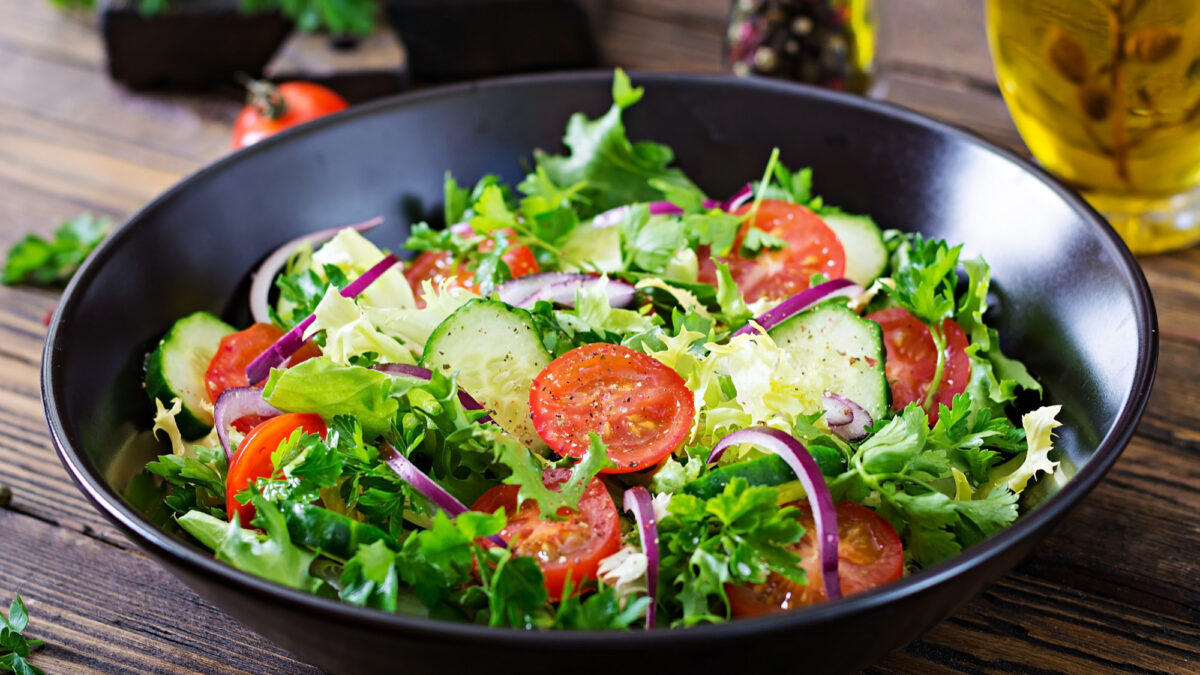

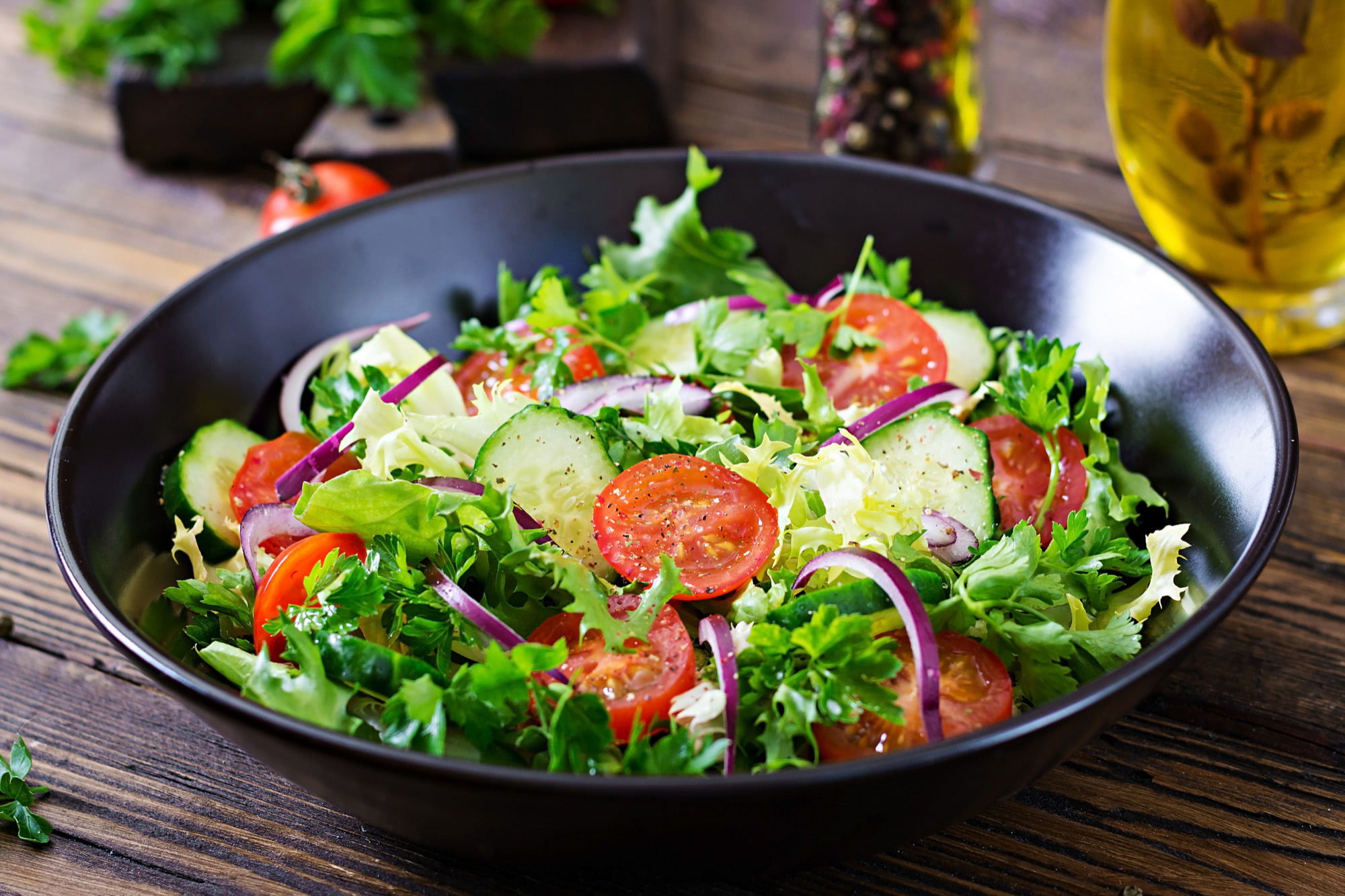
Healthy recipes salads are some of the most practical meals you can make at home. They are quick to prepare, easy to customize, and flexible enough to fit lunch, dinner, meal prep, or a light side dish. A good salad is not just a bowl of lettuce with dressing. It can be filling, colorful, satisfying, and packed with a balance of vegetables, protein, healthy fats, grains, seeds, herbs, and bright homemade dressings.
For many people, the word salad still brings to mind something bland or boring. That usually happens when the salad has no contrast, no texture, and no real structure. The best healthy salads are built with purpose. They combine crisp vegetables, creamy elements, crunchy toppings, fresh herbs, and enough protein or fiber to make the meal feel complete.
This guide covers everything you need to know about making healthy recipes salads that actually taste good. You will find simple tips, ingredients that work well together, and a wide range of salad ideas you can rotate through the week. Whether you want a light lunch, a protein-rich dinner, or a fresh side for a family meal, these salad recipes can help you eat well without feeling restricted.
Why Healthy Salads Work So Well
Healthy salads are popular for a reason. They are one of the easiest ways to eat more vegetables without spending hours in the kitchen. They also work across seasons. In summer, salads feel cool and refreshing. In colder months, warm grains, roasted vegetables, chickpeas, beans, chicken, or salmon can turn a salad into a hearty meal.
Another reason healthy recipes salads work so well is variety. You can use what you already have at home and still end up with something fresh and balanced. A few greens, one protein, one crunchy ingredient, and a simple dressing can go a long way.
Salads are also ideal for meal prep. Many ingredients can be washed, chopped, and stored in advance. That makes it much easier to build quick lunches during a busy week. Once you get comfortable mixing textures and flavors, healthy salads stop feeling like a diet food and start feeling like real food.
What Makes a Salad Healthy and Satisfying
A healthy salad should do more than look fresh. It should also keep you full and energized. The easiest way to do that is to think in layers.
Start with vegetables. Leafy greens like romaine, spinach, arugula, kale, and mixed greens are common bases, but cucumbers, cabbage, shredded carrots, bell peppers, radishes, tomatoes, roasted broccoli, and cauliflower also play a big role.
Next, add protein. Grilled chicken, boiled eggs, salmon, tuna, lentils, beans, tofu, chickpeas, quinoa, and cottage cheese all work well. Protein helps make a salad feel like a real meal instead of a side.
Then add healthy fats. Avocado, olive oil, nuts, seeds, olives, and tahini can all add richness and flavor. A small amount goes a long way.
After that, think about texture. Crunch is often what turns a plain salad into something exciting. Toasted pumpkin seeds, sunflower seeds, sliced almonds, roasted chickpeas, cucumber, apple slices, or homemade whole grain croutons add interest.
Finally, use a dressing that brings everything together. A simple vinaigrette made with olive oil, lemon juice, vinegar, mustard, garlic, and herbs is often better than a heavy bottled dressing loaded with sugar or sodium.
The Best Ingredients for Healthy Recipes Salads
If you want to make better salads more often, it helps to keep a few reliable ingredients on hand.
Leafy greens are the obvious base, but do not stop there. Shredded cabbage is inexpensive, crunchy, and holds dressing well. Spinach is mild and nutrient-dense. Arugula adds a peppery bite. Romaine stays crisp and gives structure.
Vegetables bring freshness and color. Cucumbers, cherry tomatoes, carrots, red onion, bell peppers, celery, beets, radishes, and roasted sweet potatoes all work beautifully in salads.
Protein choices can be simple. Leftover chicken, canned beans, lentils, hard-boiled eggs, tuna, grilled shrimp, or baked tofu are all useful.
Whole grains add staying power. Brown rice, farro, barley, quinoa, and couscous can turn a salad into a full lunch or dinner.
Fruit also belongs in many healthy salads. Apples, berries, oranges, pears, pomegranate seeds, grapes, and mango can add brightness and contrast.
For finishing touches, think about nuts, seeds, herbs, and cheese. Feta, goat cheese, pumpkin seeds, walnuts, basil, cilantro, dill, or parsley can make a salad taste complete with very little extra effort.
1. Classic Greek-Inspired Healthy Salad
This is one of the easiest healthy recipes salads to make because it depends on simple, bold ingredients.
Use chopped romaine, cucumber, cherry tomatoes, red onion, olives, and a little feta cheese. Add chickpeas for more protein and fiber. Dress it with olive oil, lemon juice, oregano, black pepper, and a small spoon of Dijon mustard.
The result is crisp, salty, fresh, and very easy to pair with grilled chicken or warm pita. It also stores better than more delicate salads, which makes it a strong option for meal prep lunches.
2. Grilled Chicken Avocado Salad
When people say salads do not fill them up, this is the kind of meal that changes their mind.
Start with mixed greens or romaine. Add sliced grilled chicken breast, avocado, cucumber, cherry tomatoes, shredded carrots, and red onion. A handful of pumpkin seeds adds a nice crunch. Use a lemon olive oil dressing or a light yogurt herb dressing.
This salad works because it has a bit of everything: lean protein, healthy fat, crisp vegetables, and enough texture to feel satisfying. It is one of the best healthy salad recipes for a quick dinner.
3. Quinoa Vegetable Power Salad
Quinoa salads are useful because they can be served cold, room temperature, or slightly warm. That makes them flexible in every season.
Cook quinoa and let it cool. Toss it with chopped cucumber, bell pepper, parsley, cherry tomatoes, red onion, and chickpeas. Add a dressing made with olive oil, lemon juice, garlic, and a pinch of cumin.
This salad has fiber, plant protein, and plenty of fresh flavor. It can be a main dish on its own or a side dish with fish or chicken. It also travels well, which makes it great for packed lunches.
4. Kale Caesar Salad with a Healthy Twist
A Caesar salad can still fit into a healthy meal plan when made with a lighter dressing and better balance.
Massage chopped kale with a little olive oil and lemon juice to soften the leaves. Add grilled chicken or roasted chickpeas, a few shaved pieces of Parmesan, and whole grain croutons. For the dressing, blend Greek yogurt with lemon, garlic, Dijon mustard, Parmesan, olive oil, and black pepper.
This version keeps the creamy, savory flavor people love, but adds more fiber and protein. Kale also holds up very well, so leftovers stay fresh longer than standard lettuce Caesar salads.
5. Strawberry Spinach Salad
This is one of the best healthy recipes salads for spring and summer, but it works year-round when berries are available.
Use baby spinach as the base. Add sliced strawberries, red onion, cucumber, toasted almonds, and a little goat cheese or feta. A balsamic vinaigrette ties it together.
You can add grilled chicken for extra protein or keep it simple as a side. The sweet berries, creamy cheese, and crunchy almonds create a balanced salad that feels fresh and bright without being heavy.
6. Chickpea Cucumber Tomato Salad
This salad is simple, budget-friendly, and full of ingredients that are easy to keep at home.
Combine chickpeas, diced cucumber, chopped tomatoes, red onion, parsley, and a squeeze of lemon. Add olive oil, salt, pepper, and a small amount of red wine vinegar.
Because chickpeas are rich in fiber and plant-based protein, this salad feels more substantial than it looks. It is ideal for warm weather and makes an excellent no-cook lunch. You can also spoon it over greens or stuff it into a wrap.
7. Roasted Sweet Potato and Black Bean Salad
Roasted vegetables can make healthy salads feel more comforting, especially in fall and winter.
Roast cubed sweet potatoes until tender and lightly caramelized. Let them cool slightly, then combine with black beans, corn, chopped red bell pepper, avocado, romaine, and cilantro. A lime dressing with olive oil and cumin works especially well here.
This salad has a nice balance of sweet, earthy, creamy, and crisp elements. It is colorful, filling, and easy to adapt. You can add grilled chicken or keep it vegetarian.
8. Mediterranean Lentil Salad
Lentils are an excellent ingredient for healthy recipes salads because they add protein, fiber, and texture without much cost.
Cook green or brown lentils until tender but not mushy. Toss them with cucumber, cherry tomatoes, red onion, parsley, olives, and crumbled feta. Dress with lemon juice, olive oil, garlic, and oregano.
This salad is earthy and fresh at the same time. It works well for meal prep because lentils hold their texture nicely. Serve it chilled or at room temperature.
9. Asian-Inspired Crunch Salad
When you want a salad with a lot of texture, this is a great direction to take.
Use shredded cabbage, carrots, cucumber, edamame, sliced bell peppers, and green onion. Add grilled chicken, shrimp, or baked tofu. For crunch, top with sesame seeds and chopped peanuts or cashews.
The dressing can be made with rice vinegar, sesame oil, soy sauce, lime juice, ginger, and a touch of honey. This salad is crisp, savory, and easy to make ahead. Because cabbage is sturdy, it does not wilt as quickly as delicate greens.
10. Tuna White Bean Salad
This is one of the best healthy lunch salads when you need something fast and high in protein.
Mix canned tuna with white beans, cherry tomatoes, cucumber, red onion, parsley, and arugula or romaine. Dress with olive oil, lemon juice, black pepper, and a little Dijon.
It is simple, filling, and built from pantry staples. The beans make the salad heartier while keeping it affordable. This is a practical recipe for busy weekdays when you want something nutritious with minimal cooking.
11. Warm Roasted Vegetable Salad
Healthy salads do not always need to be cold. Warm salads can be deeply satisfying, especially when the weather is cooler.
Roast broccoli, cauliflower, carrots, red onion, and zucchini until tender and slightly browned. Serve them over arugula or spinach with quinoa or farro. Add a lemon tahini dressing and sprinkle with pumpkin seeds.
This kind of salad has great depth of flavor. Roasting concentrates the sweetness of vegetables, and the warm ingredients slightly soften the greens in a very pleasant way.
12. Apple Walnut Chicken Salad
This salad combines crunch, creaminess, sweetness, and savory flavor in one bowl.
Start with mixed greens or spinach. Add sliced apple, grilled chicken, celery, cucumber, walnuts, and a small amount of crumbled blue cheese or goat cheese if you like. A simple apple cider vinaigrette brings it together.
This is an easy way to turn everyday ingredients into something that feels special. It works particularly well in the fall, but it is good any time you want a fresh salad with more texture and flavor.
Easy Homemade Dressings for Better Salads
A good dressing can completely change how a salad tastes. Homemade dressings are often faster to make than people expect, and they give you more control over flavor.
A basic lemon vinaigrette is one of the most versatile options. Whisk together olive oil, lemon juice, Dijon mustard, minced garlic, salt, and pepper. This works with green salads, grain salads, and roasted vegetable salads.
For balsamic dressing, mix olive oil, balsamic vinegar, Dijon mustard, and a small touch of honey. It pairs especially well with spinach, berries, nuts, and cheese.
A yogurt herb dressing is ideal when you want something creamy but lighter. Combine plain Greek yogurt with lemon juice, olive oil, garlic, dill, parsley, and black pepper.
Tahini dressing is excellent for grain bowls and roasted vegetable salads. Stir together tahini, lemon juice, garlic, water, and a pinch of salt until smooth.
These dressings keep the flavors bright and help healthy recipes salads taste fresh rather than heavy.
Tips for Making Salads More Filling
One common mistake is building a salad that is too light. That can leave you hungry soon after eating. The fix is simple.
Add a real protein source. Chicken, beans, lentils, salmon, tofu, shrimp, eggs, and tuna can all make a big difference.
Include healthy fat. Avocado, nuts, seeds, olives, or olive oil add flavor and staying power.
Use grains or starchy vegetables when needed. Quinoa, brown rice, farro, roasted sweet potatoes, and corn can make salads feel more complete.
Do not forget texture. A salad with only soft ingredients often feels dull. Add something crisp or crunchy to keep each bite interesting.
Most importantly, season well. Salt, pepper, citrus, herbs, and garlic matter. A bland salad is not healthy just because it has vegetables. Flavor matters too.
Meal Prep Tips for Healthy Recipes Salads
If you want to eat more salads consistently, preparation makes a big difference.
Wash and dry greens ahead of time. Store them in containers lined with paper towels to keep them fresh. Chop vegetables like cucumbers, peppers, and carrots in advance so they are ready to use.
Cook proteins and grains at the start of the week. Grilled chicken, hard-boiled eggs, lentils, quinoa, and roasted vegetables can all be portioned out for later.
Keep dressing separate until serving, especially for leafy salads. This helps prevent wilting. Grain salads and bean salads are more forgiving and can usually be dressed in advance.
Try thinking in components rather than complete recipes. If you have greens, chopped vegetables, a protein, a crunch element, and a dressing, you can build several different healthy salads without getting bored.
Common Salad Mistakes to Avoid
The biggest mistake is not adding enough flavor. Acid, salt, herbs, and texture are what make salads memorable.
Another mistake is using too much dressing. A salad should be coated, not drenched. Start with a small amount and toss well before adding more.
Skipping protein is also common, especially when a salad is meant to be a full meal. Without protein or fiber, the salad may not satisfy you for long.
Using only lettuce is another issue. The most interesting healthy recipes salads usually include a mix of leafy greens, crunchy vegetables, grains, beans, fruit, nuts, or roasted ingredients.
Finally, avoid making the same salad every day. Repeating one combination too often can make healthy eating feel repetitive. Rotating ingredients helps keep salads enjoyable.
Healthy Salads for Every Season
One reason salads are so useful is that they can easily shift with the seasons.
In spring, think of tender greens, radishes, peas, asparagus, strawberries, and herbs.
In summer, use tomatoes, cucumbers, berries, corn, peaches, and fresh basil.
In fall, roasted squash, apples, kale, walnuts, and sweet potatoes create more comforting salads.
In winter, lean on cabbage, citrus, roasted carrots, beets, lentils, grains, and warm dressings.
This seasonal approach makes healthy recipes salads feel less repetitive and more connected to what tastes best at different times of year.
Final Thoughts on Healthy Recipes Salads
Healthy recipes salads can be simple, affordable, and full of flavor when they are built the right way. The key is to think beyond lettuce and dressing. Add protein, use a variety of textures, include healthy fats, and season everything well. That is what turns a basic salad into a meal you actually want to eat.
The best healthy salads are the ones that fit your routine. Some people prefer quick chopped salads for lunch. Others want warm grain-based bowls for dinner. Some like fruit and nuts for sweetness, while others prefer bold Mediterranean or savory herb flavors. There is no single perfect formula.
What matters is building salads that are balanced, colorful, and satisfying enough to become part of your regular cooking. Once you find a few combinations you enjoy, healthy eating becomes much easier. Instead of forcing yourself to eat salads, you start looking forward to them.
Healthy recipes salads are not just a side dish. They can be a smart, flavorful, everyday meal that helps you eat more fresh ingredients while still enjoying every bite.
