
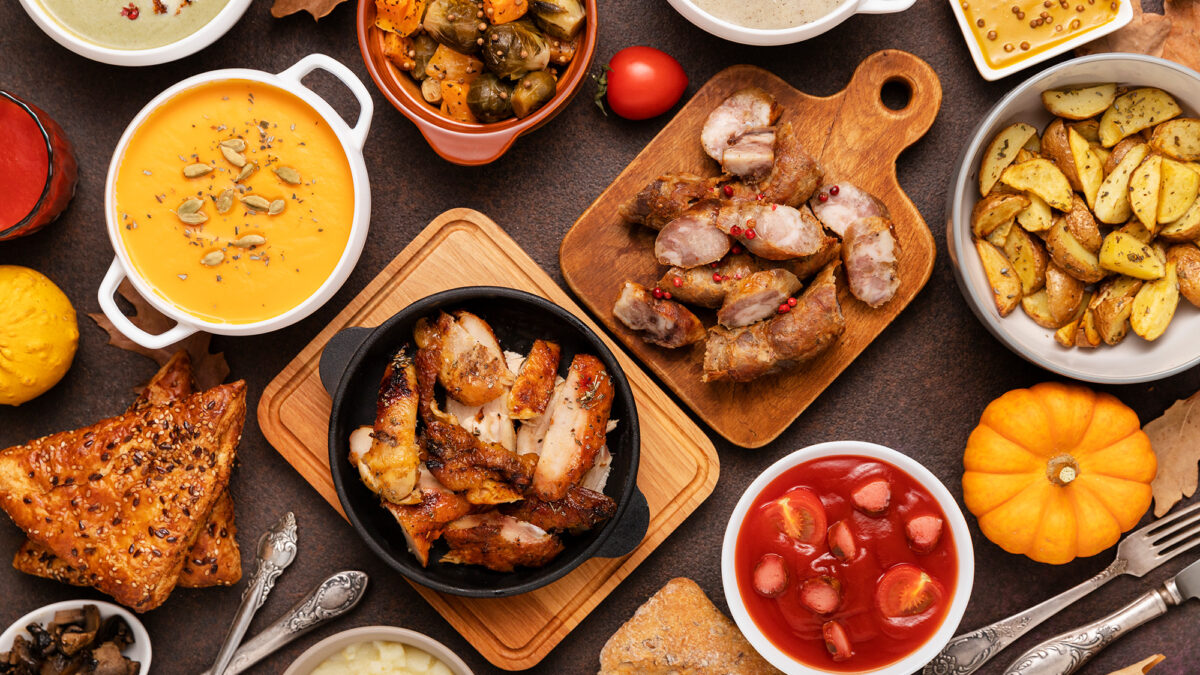


In a world where the cost of groceries keeps climbing and every budget stretch matters more, learning to cook on a budget isn’t just a skill — it’s a lifestyle choice that rewards you with better nutrition, less stress, and more money in your pocket. Whether you’re a student, a parent feeding a family, someone living solo, or simply someone who wants to spend less on food without sacrificing flavor, smarter cooking habits can make a big difference.
Here’s your guide to mastering budget cooking — how to plan, prep, shop, and cook in ways that save money while still creating meals you’ll love.
1. Rethink Your Grocery Shopping Strategy
Budget cooking begins long before you turn on the stove. It starts in the grocery store aisle with decisions that impact your wallet and your meals.
Plan before you shop.
Take a few minutes each week to sketch out a meal plan. Check your pantry, fridge, and freezer first; you might already have the ingredients for several meals. Planning helps you avoid impulse buys and ensures that every item you buy has a purpose.
Shop with a list — and stick to it.
Having a list keeps you focused. Organize your list by category (produce, grains, proteins, etc.) and avoid wandering the aisles aimlessly — that’s when unplanned items creep into the cart.
Buy store brands and bulk staples.
Generic or store brand items are often nearly identical to name brands but cost significantly less. Staples like rice, pasta, beans, lentils, and oats are cheaper in larger bags and can become the backbone of many meals.
Frozen and canned goods are your friends.
Frozen vegetables and fruits are typically less expensive than fresh and have the added benefit of a longer shelf life. Canned beans, tomatoes, and tuna are excellent building blocks for quick, budget-friendly meals.
2. Embrace the Pantry and Plan Around It
One of the best ways to cook on a budget is to make your pantry work for you. The items you always have on hand can be the start of delicious meals — even if you don’t want to shop every week.
Stock your pantry with essentials such as:
- Rice, pasta, and grains
- Dried beans and lentils
- Canned tomatoes and broth
- Herbs and basic spices
- Olive oil and vinegar
- Nut butters and oats
When you plan meals around pantry staples, you reduce trips to the store and avoid last-minute food purchases at premium prices.
3. Cook in Batches and Save Time & Money
Batch cooking — making large quantities of a meal at once — can be a game-changer for budget cooking. It means less daily preparation, less energy use, and more meals ready to heat and eat later.
Tips for successful batch cooking:
- Choose recipes with ingredients that freeze well: soups, casseroles, chilis, stews, and rice dishes.
- Store leftovers in portioned containers to easily reheat for lunches or dinners.
- Freeze extras and label them with dates so nothing goes to waste.
Not only does this save money, but it also saves time — a double win in any busy week.
4. One-Pot and Minimal-Cleanup Meals
One-pot meals are often budget-friendly because they:
- Use fewer dishes and less energy to cook,
- Combine inexpensive ingredients into filling, flavorful dishes,
- Maximize the flavor of simple ingredients.
Think hearty soups, skillet pastas, or even budget-friendly grain bowls. These meals are versatile — use whatever veggies, proteins, or spices you have on hand, and you can improvise without sacrificing taste.
5. Buy In Season (and Local When Possible)
Seasonal produce is more affordable and fresher than out-of-season fruit and vegetables that have traveled long distances to reach your market. When you buy produce in season, you get better value and better flavor.
If you have access to a farmers’ market near the end of the day, you might even find discounted produce that vendors want to sell before packing up — a win for your taste buds and your budget.
6. Get Creative With Leftovers
Leftovers don’t have to be boring. They can be the foundation for a completely new meal.
Here’s how to reinvent last night’s dinner:
- Roasted veggies and rice → stir-fried rice with an egg or a splash of soy sauce.
- Cooked chicken → shred for tacos, top a salad, or stir into pasta.
- Beans and grains → mix with spices and veggies for a budget bowl.
Using leftovers creatively reduces waste and stretches your grocery dollars even further.
7. Prioritize Protein Without Overspending
Protein is often one of the most expensive parts of a meal, but you can still meet your needs without overspending.
Budget-savvy protein sources:
- Eggs – versatile, filling, and relatively inexpensive.
- Legumes – beans, lentils, and chickpeas are rich in protein and fiber.
- Canned fish (like tuna or sardines) – affordable and can boost protein in salads, sandwiches, and pastas.
- Tofu and tempeh – often cheaper than meat and absorb flavors beautifully in many recipes.
- Smaller portions of meat stretched with vegetables or grains – a little goes a long way when balanced with other nutrient-rich ingredients.
8. Use Smart Substitutions
You don’t always need premium ingredients to make a tasty meal. Substituting similar, less expensive items can keep costs down without feeling like you’re compromising.
For example:
- Swap ground turkey for ground beef,
- Use seasonal veggies instead of pricier out-of-season ones,
- Replace cheese with a sprinkle of herbs or a squeeze of lemon for flavor boosts.
9. Cook With Purpose, Eat With Joy
Budget cooking shouldn’t feel like deprivation. The trick is to find joy in simplicity — discovering that a big pot of lentil soup can feel just as satisfying as any restaurant meal, or that crispy roasted potatoes and herbs can bring comfort on a chilly evening.
Being intentional — planning meals, savoring what you have, and cooking with creativity — turns every dollar saved into a small victory.
10. A Final Thought
Cooking on a budget is less about sacrifice and more about strategy. With a thoughtfully stocked pantry, smart shopping habits, and a willingness to explore simple recipes, you can stretch your food dollars further while eating well every day.
Healthy, delicious, cost-effective meals are not only possible — they’re rewarding. Cooking on a budget isn’t just a necessity for some; it’s a skill that nurtures independence, creativity, and confidence in the kitchen. And the best part? The more you practice, the more natural and enjoyable it becomes.
