
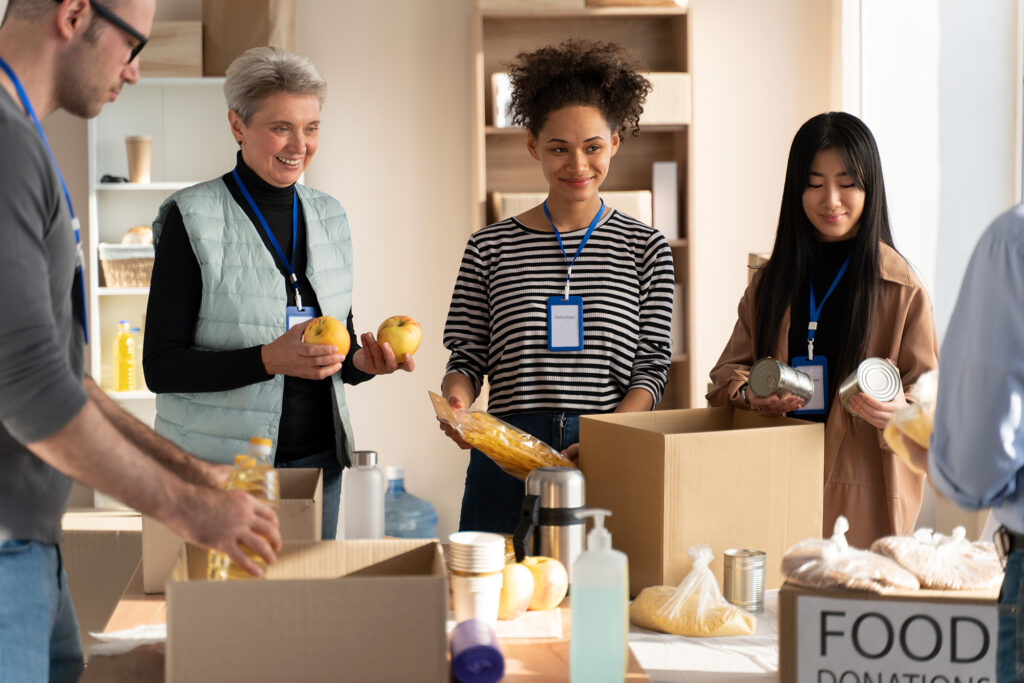
As federal nutrition benefits falter, communities across Chicago are feeling the impact — and local food banks are stepping up to fill the gap. The Supplemental Nutrition Assistance Program (SNAP) is the nation’s largest food assistance resource, yet in November 2025 this vital safety net became unstable due to a federal government shutdown, leaving millions of families without expected benefits. In response, the Greater Chicago Food Depository launched emergency food distributions to ensure neighbors don’t go hungry when SNAP is in flux.
SNAP Disruption and Rising Need for Emergency Food Support
SNAP helps tens of millions of low-income Americans afford groceries each month. However, when federal funding stalled in late 2025 — marking the first time SNAP benefits had lapsed due to a government shutdown — families were suddenly left without the support they rely on for basic nourishment.
In Cook County alone, approximately 900,000 SNAP participants, including children and older adults, were affected by delayed benefits and heightened uncertainty. With the federal nutrition program in flux, many households found themselves forced to seek emergency food assistance for the first time.
Emergency Food Box Distributions: A Rapid Response
On November 1, 2025, the first day without new SNAP benefits, the Greater Chicago Food Depository activated its emergency food response plan. The organization partnered with local food pantries — including at St. Sabina, Sankofa Food Market, Breakthrough Urban Ministries, and other sites across Chicago and Cook County — to distribute pre-packed emergency food boxes to neighbors in need.
Each household received a box stocked with nutritious, shelf-stable foods such as pasta, peanut butter, tuna, and canned fruits and vegetables — providing an immediate source of sustenance for families grappling with food insecurity.
Volunteers worked around the clock in the Food Depository’s warehouse to pack boxes and ensure timely delivery to distribution sites. These efforts were vital in offering interim support while SNAP benefits remained suspended.
Record Demand and Community Impact
The announcement of the SNAP freeze sent shockwaves through Chicago’s food assistance network. Many partner pantries reported significant increases in visits from community members who had never before accessed emergency food resources.
For example, the Above and Beyond Free Food Pantry in Garfield Park served twice its typical number of guests the day before SNAP benefits ceased. Meanwhile, Breakthrough Urban Ministries reported that lines at their pantry never thinned during a four-hour distribution — a rare occurrence illustrating how dire needs had become.
Children, seniors, part-time workers, and families with special needs suddenly faced impossible decisions about how to secure meals. Neighbors like Carolyn Nicholas, a part-time bus aide, expressed how deeply the SNAP disruption affected her household: “My kids are looking at me saying, ‘Mama, what are we going to eat?’”
Community Support Matters
The Food Depository’s rapid emergency response was made possible by volunteers and donors committed to fighting hunger in their communities. At Sankofa Food Market in Cottage Grove Heights, volunteers like Camella Squair helped load food boxes into cars, illustrating the critical role community involvement plays during times of need.
Young volunteers also stepped up — 10-year-old Summer Dockery and her friend helped distribute boxes, reminding us that community compassion spans generations and that neighbors truly help neighbors in crisis.
For recipients like Aja Jenkins and her 12-year-old son, receiving emergency food brought not just groceries but relief and dignity during a stressful period. “They’re leaving us out here starving,” she said about the SNAP pause — underscoring just how essential emergency food programs are in filling the nutritional void when federal benefits lag.
Looking Ahead: Sustained Support and Continued Challenges
While SNAP benefits were later restored after the government shutdown ended, the crisis highlighted broader challenges facing food assistance programs and food banks alike. Emergency distributions are not a long-term replacement for SNAP, but they serve as a critical stopgap when federal food aid is interrupted and families are left to fill the gap.
Moreover, new work requirements for SNAP participants — scheduled to take effect in February 2026 — may reduce eligibility for hundreds of thousands of low-income Illinois residents, potentially leading to increased demand for emergency food assistance throughout the region.
How You Can Help End Hunger in Your Community
The Greater Chicago Food Depository’s emergency response demonstrates that local support networks are essential when federal programs falter. But food banks cannot meet this rising need alone. Community members can help in a variety of ways:
- Donate funds or food to support ongoing distributions.
- Volunteer at food packing and distribution events.
- Advocate for policies that strengthen SNAP and other anti-hunger programs.
- Spread awareness about local food resources for your neighbors in need.
By joining forces, individuals, businesses, and organizations can help ensure that no one in Chicago goes hungry — even when SNAP is in flux. With continued support, food banks can remain a lifeline for families facing food insecurity and create a stronger, more resilient community overall.