
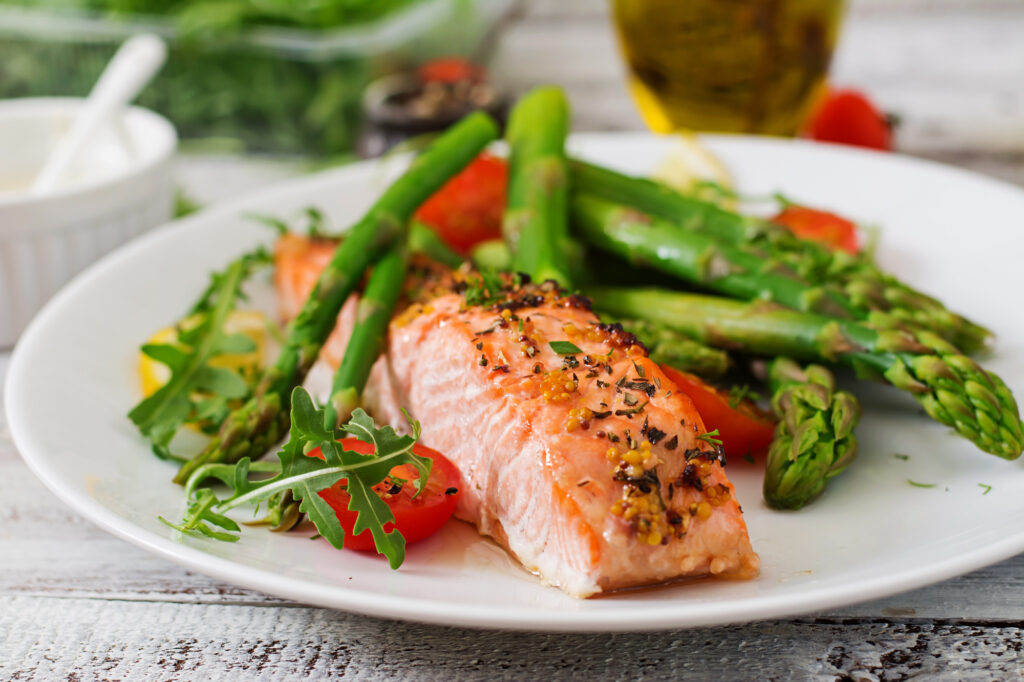
Salmon is one of the easiest and most rewarding fish to make at home. It cooks quickly, works with many flavors, and can go from weeknight dinner to special meal with very little effort. If you have ever wondered how to cook salmon in oven without drying it out, the good news is that the process is simple once you understand a few basics.
Oven baked salmon is popular because it is consistent, convenient, and beginner friendly. You do not need fancy tools or advanced cooking skills. With the right temperature, a little seasoning, and proper timing, you can make tender, flaky salmon with a moist center and rich flavor.
This guide covers everything you need to know about how to cook salmon in oven, including the best temperature, how long to bake it, whether to use foil, how to season it, and how to tell when it is done. By the end, you will have a reliable method you can use again and again.
Why Oven Baked Salmon Is So Popular
There are many ways to cook salmon, including grilling, pan searing, poaching, and air frying. Still, baking salmon in the oven remains one of the most practical methods for home cooks.
The oven gives you steady, even heat. That helps the fish cook gently, which lowers the chance of burning the outside before the inside is ready. It also makes cleanup easier, especially if you bake the salmon on parchment paper or in foil.
Another reason baked salmon works so well is flexibility. You can cook individual fillets for a quick dinner or a whole side of salmon for a family meal. You can keep the seasoning simple with salt, pepper, and lemon, or dress it up with garlic butter, herbs, honey mustard, or maple glaze.
Choosing the Best Salmon for Baking
Before learning exactly how to cook salmon in oven, it helps to know what kind of salmon you are working with.
Fresh salmon and frozen salmon can both bake well. Fresh salmon often has a softer texture and is ready to season right away. Frozen salmon is convenient and can be an excellent option as long as it is properly thawed before cooking.
You may also notice different varieties at the store, such as Atlantic salmon, sockeye, coho, and king salmon. These types vary in richness, color, and thickness.
Atlantic salmon is often rich, mild, and widely available. It is a great choice for baking because the fat content helps keep it moist.
Sockeye salmon is deeper in color and has a stronger flavor. It is leaner than some other kinds, so you need to watch the cooking time a little more closely.
Coho salmon is mild and slightly firm, while king salmon is rich and buttery. All of them can be baked successfully.
When buying salmon, look for flesh that appears moist and vibrant. It should not smell overly strong or sour. If you are buying fillets, try to choose pieces that are similar in thickness so they cook evenly.
Skin-On or Skinless Salmon?
You can bake either skin-on or skinless salmon, but many cooks prefer skin-on fillets in the oven.
The skin creates a natural barrier between the fish and the pan, which can help protect the delicate flesh from overcooking. It also makes it easier to move the salmon after baking.
If you do not want to eat the skin, you can simply leave it behind after the salmon is cooked. The flesh lifts off easily with a spatula or fork.
Skinless salmon also works, but it can be slightly more delicate. In that case, parchment paper or a lightly greased baking dish helps prevent sticking.
Should You Bake Salmon Covered or Uncovered?
Both methods work, but each gives a slightly different result.
Baking salmon uncovered is best when you want a lightly roasted surface and a bit more concentrated flavor. This is the most common approach for salmon fillets.
Baking salmon covered, often with foil, traps moisture and creates a gentler steaming effect. This can be helpful if you want especially soft, tender salmon or if you are baking it with sauce.
If your main goal is learning how to cook salmon in oven for a dependable everyday meal, uncovered at a moderate oven temperature is an excellent place to start.
The Best Temperature to Cook Salmon in the Oven
One of the most common questions is what temperature to use.
A good standard temperature for oven baked salmon is 400°F. This gives you a nice balance between speed and gentle cooking. It is hot enough to cook the salmon efficiently, but not so hot that it dries out too fast.
You can also bake salmon at 375°F if you want slightly gentler cooking, especially for thicker cuts. At 425°F, the fish cooks faster and can develop a more roasted surface, but timing becomes more important.
For most home cooks, 400°F is the easiest and most reliable answer to how to cook salmon in oven.
How Long to Bake Salmon
Cooking time depends on thickness, oven temperature, and whether the salmon is cut into fillets or left as a larger piece.
As a general rule, salmon fillets at 400°F usually take about 10 to 15 minutes. Thicker pieces may need a little longer. Thin pieces can be done in less time.
A large side of salmon may take 15 to 25 minutes depending on its size and thickness.
Instead of focusing only on the clock, check for signs of doneness. Properly cooked salmon should flake easily with a fork and look mostly opaque, while the center can still be slightly translucent if you prefer a more tender finish.
How to Prep Salmon Before Baking
Good preparation makes a big difference.
Start by patting the salmon dry with paper towels. This removes excess moisture and helps the seasoning stick better.
Next, check for pin bones by running your fingers along the flesh. If you feel any small bones, pull them out with tweezers or clean kitchen pliers.
Place the salmon on a lined baking sheet, in a baking dish, or on a piece of foil. Parchment paper is especially useful because it prevents sticking and makes cleanup easier.
Brush the salmon lightly with olive oil or melted butter. This adds flavor and helps the surface stay moist.
Then season the fish. Even a simple mix of salt, black pepper, and lemon juice can be delicious.
Simple Seasoning for Oven Baked Salmon
One of the best things about salmon is that it does not need a lot of ingredients to taste good.
A basic seasoning blend can include:
- Olive oil or melted butter
- Salt
- Black pepper
- Lemon slices or lemon juice
- Garlic
- Fresh or dried herbs such as dill, parsley, thyme, or rosemary
This simple approach lets the salmon’s natural flavor stand out.
If you want more variety, try these easy flavor combinations.
Garlic Butter Salmon
Spread melted butter over the fish and add minced garlic, salt, pepper, and a little parsley. This creates a rich, classic flavor that works with almost any side dish.
Lemon Herb Salmon
Use olive oil, lemon juice, lemon zest, garlic, dill, and black pepper. This version tastes bright and fresh.
Honey Garlic Salmon
Mix honey, garlic, soy sauce, and a small amount of olive oil. This gives the salmon a sweet and savory glaze.
Dijon Salmon
Brush the fish with Dijon mustard, olive oil, garlic, and herbs. The mustard adds tang and helps form a flavorful coating.
Step-by-Step: How to Cook Salmon in Oven
This is a simple method you can use for most salmon fillets.
1. Preheat the oven
Set your oven to 400°F. Let it fully preheat before the salmon goes in.
2. Prepare the pan
Line a baking sheet or baking dish with parchment paper or foil. Lightly grease it if needed.
3. Dry the salmon
Pat the fillets dry with paper towels. This helps improve texture.
4. Add oil and seasoning
Brush the salmon with olive oil or melted butter. Season with salt, pepper, garlic, and lemon, or use your preferred seasoning blend.
5. Bake
Place the salmon in the oven and bake for 10 to 15 minutes, depending on thickness.
6. Check for doneness
Use a fork to gently press into the thickest part. If it flakes easily and looks mostly opaque, it is ready. Be careful not to overcook it.
7. Rest briefly and serve
Let the salmon rest for 2 to 3 minutes before serving. This helps the juices settle.
How to Tell When Salmon Is Done
This is where many people get nervous, but it becomes easy with practice.
Cooked salmon changes from translucent and raw-looking to opaque and flaky. The thickest part should separate gently when pressed with a fork. The fish should feel tender, not mushy.
If you use a thermometer, many cooks pull salmon from the oven when the thickest part reaches around 125°F to 130°F for a moist finish, since it continues cooking slightly after removal. Others prefer it a little more done. The key is avoiding the point where it becomes dry, chalky, or tough.
When learning how to cook salmon in oven, remember that it is better to check early than too late.
Common Mistakes to Avoid
Even simple recipes can go wrong if a few details are missed.
One common mistake is overcooking. Salmon can go from perfect to dry quickly, especially if the fillets are thin.
Another mistake is skipping the drying step. Wet salmon can steam more than bake, which affects texture.
Using too much seasoning or sauce can also overpower the fish. Salmon has a rich flavor on its own, so balance is important.
Crowding the pan is another issue. Leave a little space around each fillet so heat can circulate properly.
Finally, do not rely only on exact minutes from a recipe without considering thickness. Two fillets can cook very differently depending on size.
Baking Salmon in Foil
Foil is a helpful option when you want extra moisture and easy cleanup.
To bake salmon in foil, place the fillet on a sheet of foil, season it, then fold the foil around the fish to create a sealed packet. This traps steam inside and keeps the salmon very tender.
You can add lemon slices, butter, garlic, onions, or herbs inside the packet for more flavor. Bake at 400°F until the salmon is cooked through, usually around 12 to 17 minutes depending on thickness.
Foil packet salmon is especially useful for people who worry about drying out the fish.
Baking a Whole Side of Salmon
If you are cooking for several people, a whole side of salmon is an excellent choice.
The method is similar to fillets, but you will need a larger lined baking sheet or roasting pan. Brush the salmon with oil or butter, add your seasoning, and bake at 400°F.
A larger piece often takes 15 to 25 minutes. Start checking on the early side. The thinner tail end will cook faster than the thicker center, so you may want to tuck the tail under slightly for more even baking.
Serving a whole baked salmon looks impressive, but it is just as easy as cooking smaller portions once you know the timing.
Best Side Dishes for Oven Baked Salmon
Salmon pairs well with many simple sides, which makes it ideal for fast dinners.
Roasted vegetables are a classic choice. Asparagus, green beans, broccoli, Brussels sprouts, and carrots all work well.
Rice, quinoa, couscous, or mashed potatoes help turn baked salmon into a fuller meal. For something lighter, try a crisp salad with lemon vinaigrette.
Salmon also goes well with pasta, especially with olive oil, herbs, garlic, or a light cream sauce.
If you want a very simple dinner, serve oven baked salmon with roasted potatoes and a green vegetable. It is balanced, satisfying, and easy to prepare.
Can You Cook Frozen Salmon in the Oven?
Yes, but thawing first usually gives better texture and more even seasoning.
To thaw frozen salmon safely, place it in the refrigerator overnight. If you need it faster, seal it in a bag and place it in cold water until thawed.
You can bake salmon from frozen in the oven, but it often takes longer and may release more moisture. A common approach is to bake it for a few minutes first, then remove it, drain excess liquid, add seasoning, and continue baking.
For the best results, thawed salmon is the better option.
How to Store and Reheat Leftover Salmon
Leftover salmon can be very useful for quick lunches and dinners.
Store cooked salmon in an airtight container in the refrigerator and use it within about 3 days. It can be eaten cold in salads, grain bowls, wraps, or sandwiches.
If you want to reheat it, do so gently. A low oven works better than a microwave if you want to preserve texture. Place the salmon in a baking dish, add a small splash of water or a little butter, cover loosely, and warm it at a low temperature until heated through.
Avoid overheating leftovers, since salmon can dry out quickly the second time around.
Easy Oven Baked Salmon Recipe
Here is a simple version you can use anytime.
Ingredients
4 salmon fillets
1 to 2 tablespoons olive oil
Salt, to taste
Black pepper, to taste
2 to 3 garlic cloves, minced
1 lemon, sliced
1 tablespoon chopped parsley or dill
Instructions
Preheat the oven to 400°F.
Line a baking sheet or baking dish with parchment paper.
Pat the salmon fillets dry and place them on the prepared pan.
Brush each fillet with olive oil. Season with salt, black pepper, and garlic.
Top with lemon slices and herbs.
Bake for 10 to 15 minutes, depending on thickness, until the salmon flakes easily with a fork.
Rest for a few minutes, then serve.
This basic recipe is a great starting point for anyone learning how to cook salmon in oven.
Tips for the Best Baked Salmon Every Time
A few habits can improve your results right away.
Use fillets that are close in size so they cook evenly.
Do not overbake. Start checking early, especially with thinner cuts.
Add a little fat, such as olive oil or butter, to improve moisture and flavor.
Let the salmon rest briefly after baking.
Use fresh lemon to brighten the flavor just before serving.
Pair the fish with simple side dishes that do not overpower it.
These small details can turn a decent meal into a great one.
Is Oven Baked Salmon Healthy?
Salmon is often chosen by people who want meals that are both satisfying and nutritious. It is rich in protein and naturally contains beneficial fats. It also works well with simple ingredients, which makes it easier to prepare balanced meals at home.
The healthiest way to bake salmon usually involves moderate oil, fresh herbs, citrus, and less reliance on heavy sauces. Pairing it with vegetables and whole grains can make it part of a well-rounded dinner.
Final Thoughts on How to Cook Salmon in Oven
Learning how to cook salmon in oven is one of the most useful kitchen skills for home cooks. It is quick, flexible, and easy to adapt to your taste. Whether you like your salmon with lemon and herbs, brushed with garlic butter, or glazed with honey and mustard, the oven gives you a dependable way to get great results.
The simplest method is often the best. Start with good salmon, season it well, bake it at 400°F, and check it before it overcooks. Once you get comfortable with timing and texture, you can experiment with new seasonings, sauces, and side dishes.
Oven baked salmon is the kind of meal that feels impressive without being complicated. That is exactly why it belongs in every home cook’s regular rotation.