
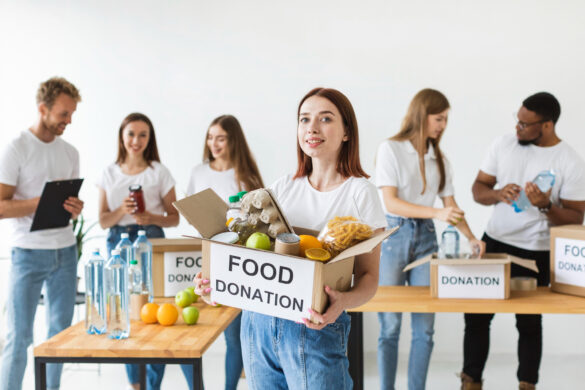
How Food Banks Improve Mental Health and Quality of Life
Introduction Hunger doesn’t just affect the body—it deeply impacts mental health. Food banks play a vital role in improving emotional well-being and overall quality of life. Reducing Stress and Anxiety Food insecurity causes constant worry about meals, bills, and children’s nutrition. Food banks remove one...
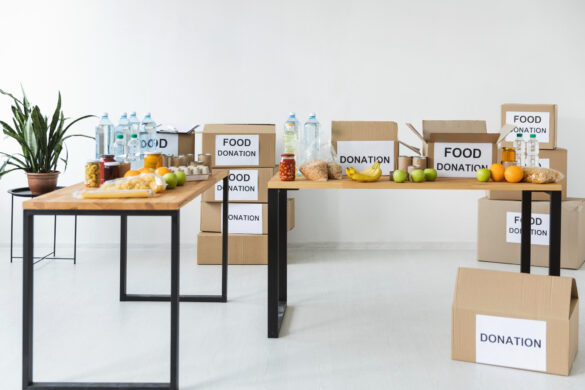
Where Food Banks Get Their Food and Why It Matters
Introduction Many people wonder where food banks get their food. The answer reveals an impressive system of generosity, efficiency, and sustainability. Major Food Sources Food banks receive food from: Much of this food is perfectly good surplus that would otherwise go to waste. Fighting Food...
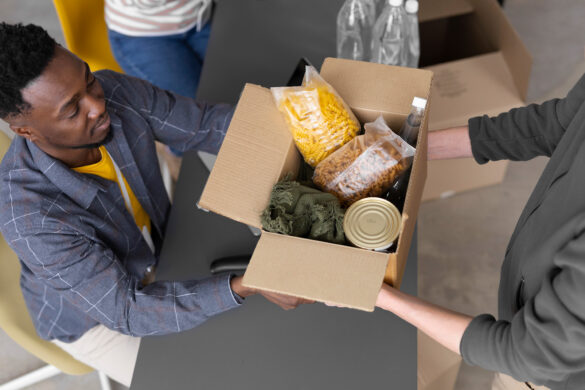
Why There Is No Shame in Using a Food Bank
Introduction One of the biggest barriers preventing people from accessing food banks is stigma. Many believe food banks are only for extreme poverty, but the reality is far different. Who Uses Food Banks Today Food bank users include: Unexpected expenses, job loss, or inflation can...

The Hidden Economic Benefits of Food Banks for Local Communities
Introduction Food banks don’t just help individuals—they strengthen entire communities. Their impact goes far beyond free groceries, contributing to economic stability, job support, and reduced public spending. Food Banks and Local Economies Every dollar donated to a food bank generates multiple dollars in economic value...

How Food Banks Help Families Save Hundreds on Groceries Every Month
Introduction With grocery prices rising across North America, many households are struggling to keep food on the table. Food banks play a crucial role in helping families bridge the gap between income and essential nutrition. Far from being a last resort, food banks are a...

What Kind of Help Is Available at Food Banks? More Than You Might Think
When people hear the term food bank, they often imagine shelves of canned goods handed out in an emergency. While that is certainly part of the picture, modern food banks offer far more support than most people realize. Today’s food banks have evolved into community...

Why Now Is the Best Time to Donate Money or Non-Perishable Food to a Food Bank Near You
Food insecurity is no longer a distant issue affecting only a small portion of society. Today, families, seniors, students, and working individuals across North America are struggling to put food on the table. Rising grocery prices, housing costs, and economic uncertainty have pushed food banks...

Rising Poverty Levels and Why Food Banks Are More Essential Than Ever
Across cities, suburbs, and rural communities alike, a troubling reality is becoming impossible to ignore: more people are living in poverty than at any point in recent decades. Rising housing costs, stagnant wages, inflation, and unexpected life events are pushing families, seniors, students, and working...

What to Do When You’re Broke and Need to Feed Yourself and Keep Going
Being broke is more than just a financial problem—it’s emotional, exhausting, and overwhelming. When money runs out and food becomes uncertain, it can feel like everything is closing in at once. The most important thing to remember is this: you are not alone, and this...

There Is No Shame in Using a Food Bank: Why More People Rely on Food Assistance Than You Think
For many people, the idea of visiting a food bank comes with feelings of embarrassment, fear, or guilt. Society often paints food insecurity as something that only affects “other people,” when the reality is far different. Millions of individuals and families—working parents, seniors, students, and...