
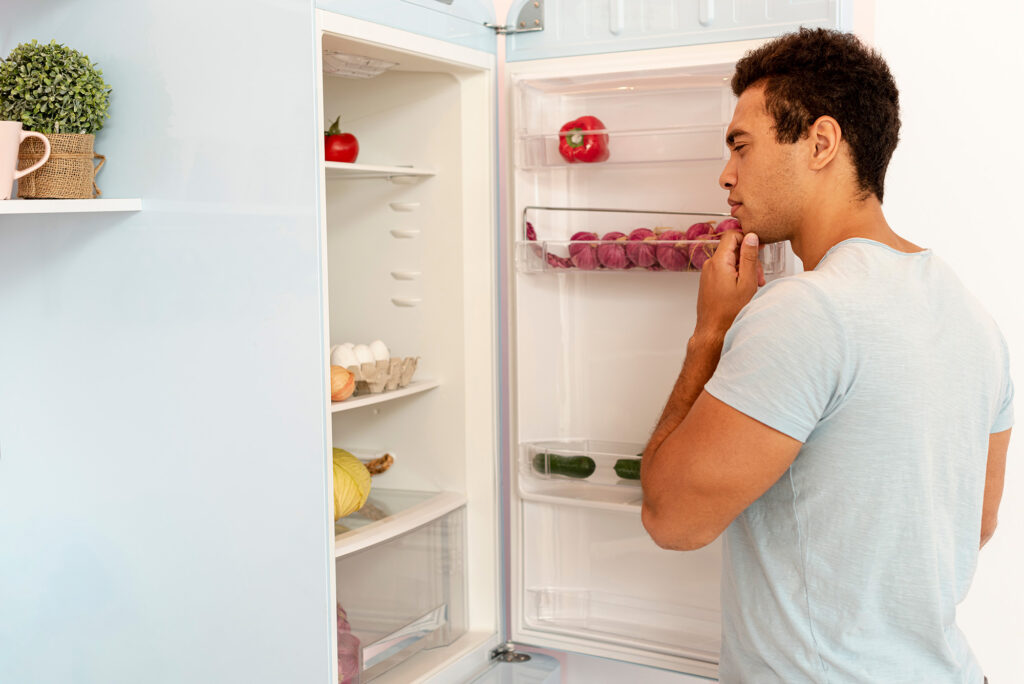
Cooking with what you already have isn’t just a budget-friendly habit—it’s a powerful way to reduce food waste, spark creativity, and build real kitchen confidence. Whether you’re trying to stretch groceries until payday, avoid another trip to the store, or simply challenge yourself to be more resourceful, learning how to cook from your fridge and pantry can transform the way you eat.
Here’s a practical, step-by-step guide to turning what you already own into satisfying meals.
Start With a Full Inventory
Before you cook anything, take five minutes to see what you’re working with. Open the fridge and pantry and make a simple mental (or written) list.
Check:
- Vegetables that need to be used soon
- Cooked leftovers (rice, pasta, roasted veggies, proteins)
- Pantry staples like beans, lentils, pasta, canned tomatoes, rice, oats, and flour
- Sauces, condiments, spices, oils, and vinegars
This inventory step is crucial. Once you know what you have, meals start forming naturally.
Think in “Meal Templates,” Not Recipes
Cooking without shopping works best when you stop thinking in strict recipes and start thinking in flexible meal formats.
Some easy templates include:
- Stir-fries: Any vegetables + any protein + oil + seasoning
- Soups and stews: Vegetables + beans or meat + broth or water + spices
- Fried rice or grain bowls: Cooked rice or grains + leftovers + egg or beans
- Pasta dishes: Pasta + vegetables + oil or sauce + spices
- Omelettes or frittatas: Eggs + almost anything from the fridge
- Wraps and sandwiches: Bread or tortillas + fillings + sauces
Once you understand these templates, you can swap ingredients freely based on what’s available.
Use Vegetables Before They Go Bad
Vegetables are often the first ingredients to spoil, so prioritize them. Soft carrots, wilted spinach, or slightly wrinkled peppers are still perfectly usable.
Great ways to use aging vegetables:
- Roast them with oil and spices
- Add them to soups, stews, or curries
- Chop them into scrambled eggs or omelettes
- Toss them into pasta, rice, or noodle dishes
Even vegetables that don’t look perfect still have flavor and nutrition.
Pantry Staples Are Your Best Friends
Your pantry is the backbone of no-shopping cooking. Ingredients like rice, pasta, lentils, canned beans, oats, and flour can turn almost anything into a meal.
Examples:
- Lentils + onion + spices = hearty lentil stew
- Pasta + oil + garlic powder + vegetables = quick comfort meal
- Rice + beans + spices = filling, balanced bowl
- Oats + milk or water + fruit = simple breakfast or dinner
If you keep your pantry stocked with basics, you can almost always make something work.
Don’t Underestimate Sauces and Spices
Sauces, condiments, and spices are what turn “random ingredients” into a real dish. A spoonful of soy sauce, mustard, vinegar, salsa, or hot sauce can completely change a meal.
Try mixing:
- Oil + vinegar + spices for quick dressings
- Soy sauce + oil + a bit of sugar for stir-fries
- Tomato sauce + spices for pasta or rice
- Yogurt or mayo + spices for dips and spreads
Flavor is often what separates a boring meal from a satisfying one.
Repurpose Leftovers Creatively
Leftovers don’t have to be eaten the same way twice. In fact, they’re often better when reinvented.
Examples:
- Roasted vegetables become filling for wraps or omelettes
- Cooked rice becomes fried rice or soup base
- Leftover chicken becomes soup, pasta topping, or sandwich filling
- Beans become mashed spreads or taco fillings
Think of leftovers as ingredients, not finished meals.
Trust Your Taste, Not Perfection
Cooking from your fridge and pantry is about adaptability, not perfection. Taste as you go, adjust seasoning, and don’t be afraid to experiment. If something feels bland, add salt, acid (like vinegar or lemon), or fat (oil or butter).
You’ll quickly learn what works—and that confidence carries over into every future meal you make.
The Long-Term Benefits of Cooking What You Have
Learning to cook with what’s already in your kitchen saves money, reduces waste, and lowers stress around food. It also builds independence and creativity—skills that last a lifetime.
Instead of asking “What should I buy to cook dinner?” you’ll start asking, “What can I make with what I already have?” And more often than not, the answer will surprise you.
Cooking this way isn’t about restriction—it’s about freedom, resourcefulness, and making the most of what’s right in front of you.