
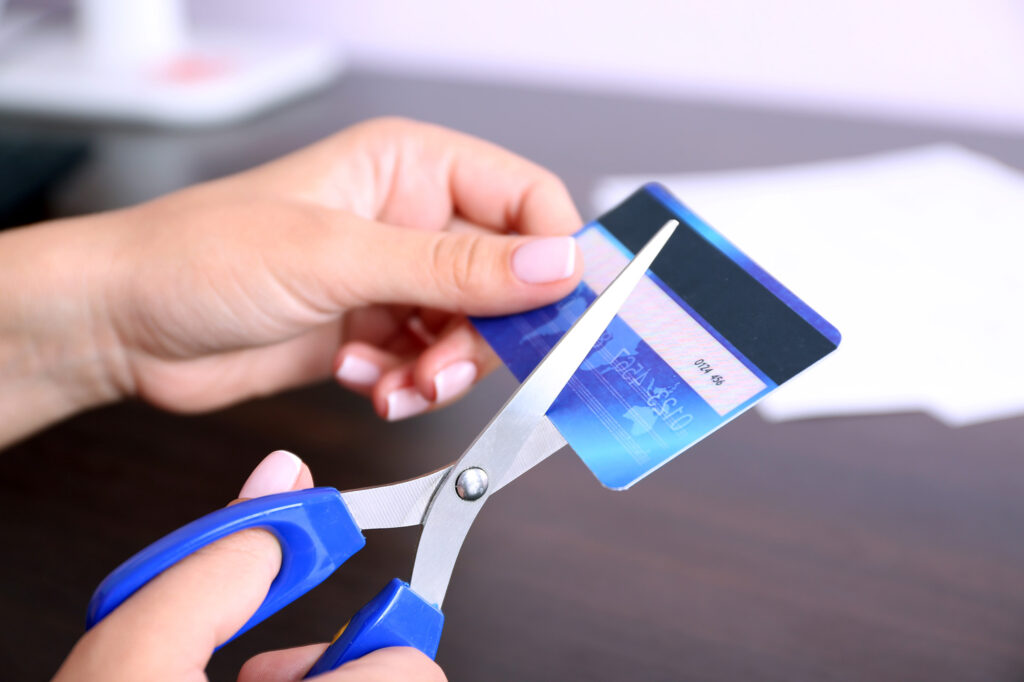
Living on a tight budget while carrying credit card debt can feel overwhelming. High interest rates, minimum payments, and everyday expenses can trap families in a cycle that seems impossible to break. The good news is that it is possible to get rid of credit card debt—even on a small budget—and doing so can dramatically increase the money you have available each month. With the right strategy, consistency, and mindset, debt freedom is achievable.
Why Credit Card Debt Hurts Small Budgets the Most
Credit cards often carry some of the highest interest rates of any consumer debt. When money is tight, even a small balance can grow quickly due to interest charges. Many people pay only the minimum payment, which barely touches the principal and keeps them stuck in debt for years.
For households on a limited income, this means:
- Less money for groceries, rent, and utilities
- Increased stress and financial anxiety
- Fewer options when emergencies arise
Breaking free from credit card debt is not just about improving your credit score—it’s about reclaiming control over your monthly cash flow.
Step 1: Get a Clear Picture of Your Debt
The first step to eliminating credit card debt is understanding exactly what you owe. Write down:
- Each credit card balance
- Interest rates
- Minimum monthly payments
Seeing the full picture can be uncomfortable, but it’s essential. Once everything is visible, you can make informed decisions and create a realistic plan that fits your budget.
Step 2: Choose a Debt Payoff Strategy That Works on a Small Budget
Two popular debt repayment strategies work especially well for people with limited income:
The Snowball Method
Focus on paying off the smallest balance first while making minimum payments on the others. Once the smallest debt is gone, roll that payment into the next smallest balance. This approach builds momentum and motivation.
The Avalanche Method
Focus on the card with the highest interest rate first. This saves more money in interest over time, which is ideal for tight budgets—but it may take longer to see the first balance disappear.
Choose the method that keeps you motivated. Consistency matters more than perfection.
Step 3: Cut Expenses Without Sacrificing Essentials
Getting rid of credit card debt doesn’t mean living without basics—it means spending intentionally. Look for small, sustainable cuts such as:
- Cooking more meals at home
- Canceling unused subscriptions
- Negotiating phone, internet, or insurance bills
- Using free or low-cost community resources
Even saving $25–$50 a month can make a meaningful difference when applied directly to debt.
Step 4: Stop Adding New Credit Card Debt
Paying off debt while still using credit cards for everyday expenses can slow progress. If possible:
- Leave credit cards at home
- Switch to cash or debit for daily spending
- Create a simple spending plan for groceries and essentials
This step prevents balances from increasing and helps build healthier financial habits.
Step 5: Use Extra Money Strategically
On a small budget, extra money may be rare—but when it appears, use it wisely. Tax refunds, small bonuses, or side income can significantly speed up debt repayment when applied directly to balances instead of discretionary spending.
Some people also sell unused items or take on short-term side work to generate extra cash specifically for debt payoff. Even temporary efforts can lead to long-term financial relief.
Why Being Debt-Free Means More Money in Your Pocket
Eliminating credit card debt instantly frees up money that was previously going to interest and minimum payments. That extra cash can be redirected toward:
- Groceries and household needs
- Building an emergency fund
- Saving for education or family goals
- Reducing financial stress
Without credit card payments draining your income, your budget becomes more flexible and resilient. You’re no longer paying for past purchases—you’re investing in your present and future.
The Emotional and Financial Benefits of Debt Freedom
Beyond the numbers, living without credit card debt brings peace of mind. Many people report better sleep, reduced anxiety, and improved relationships once financial pressure is lifted. Financial freedom allows you to make choices based on needs and values, not desperation.
Being debt-free also reduces reliance on credit during emergencies. With savings and available cash flow, unexpected expenses are less likely to send you back into debt.
Staying Debt-Free on a Small Budget
Once your credit card debt is gone, protecting your progress is key. Build a small emergency fund—even $500 to start—and continue tracking expenses. Using credit cards responsibly, or not at all, ensures that your hard work leads to lasting financial stability.
Conclusion
Getting rid of credit card debt while living on a small budget is challenging, but absolutely possible. By understanding your debt, choosing the right payoff strategy, cutting unnecessary expenses, and avoiding new balances, you can break free from high-interest payments. The reward is powerful: more money in your pocket, less stress in your life, and greater control over your financial future. Debt freedom isn’t just a financial goal—it’s a pathway to stability and peace of mind.