


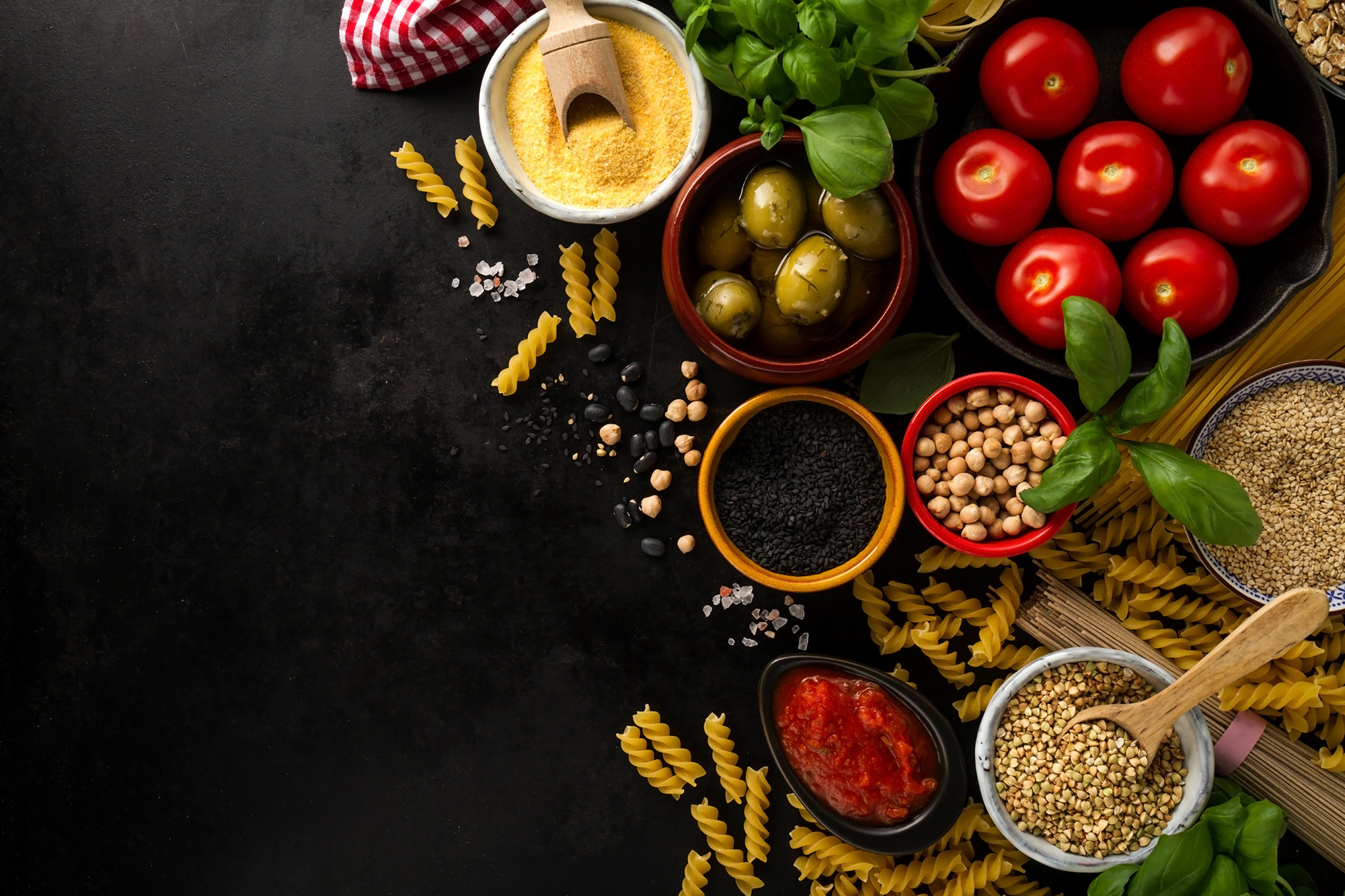
Eating well does not have to be expensive. In fact, many of the most affordable grocery items are also some of the most nutritious. For families, students, and anyone trying to stretch their food budget, focusing on low-cost, nutrient-dense ingredients is one of the smartest ways to maintain health while keeping grocery bills under control. These foods provide essential vitamins, minerals, protein, and energy at a fraction of the cost of heavily processed or convenience foods.
Below are some of the least expensive ingredients with the highest nutritional value, along with tips on how to use them effectively.
1. Dry Beans and Lentils
Dry beans and lentils are among the most budget-friendly foods in any grocery store. Purchased in bulk, they often cost just pennies per serving while delivering an impressive nutritional profile.
Beans and lentils are rich in plant-based protein, fiber, iron, potassium, and complex carbohydrates. The high fiber content helps keep you full longer, stabilizes blood sugar levels, and supports digestive health. Lentils, in particular, cook quickly and do not require soaking, making them convenient as well as economical.
They can be used in soups, stews, chili, salads, tacos, curries, and even blended into spreads and dips. One bag of dry beans can stretch across multiple meals for an entire family.
2. Eggs
Eggs are one of the most cost-effective sources of high-quality protein available. They contain all nine essential amino acids and are packed with nutrients such as vitamin B12, vitamin D, choline, and selenium.
Despite their low price, eggs are incredibly versatile. They can be scrambled, boiled, baked, fried, or added to casseroles, soups, and rice dishes. For breakfast, lunch, or dinner, eggs provide lasting energy and help reduce the need for more expensive protein sources.
3. Oats
Oats are a nutritional powerhouse that costs very little, especially when purchased in large bags. They are rich in fiber, particularly beta-glucan, which supports heart health and helps lower cholesterol levels.
In addition to fiber, oats provide magnesium, iron, and slow-digesting carbohydrates that keep you full for hours. While commonly eaten as oatmeal, oats can also be used in baking, homemade granola, savory porridge, or even blended into smoothies.
Oats are an excellent option for families looking to create filling meals on a tight budget.
4. Potatoes
Potatoes are often overlooked, but they are one of the most affordable and nutrient-dense vegetables available. They are high in vitamin C, potassium, vitamin B6, and complex carbohydrates that provide sustained energy.
When prepared simply—baked, boiled, or roasted—potatoes can be part of a very healthy diet. They pair well with beans, eggs, frozen vegetables, or leftovers and can be used in soups, casseroles, and skillet meals.
A large bag of potatoes can feed a family for days at a very low cost per serving.
5. Rice
Rice, especially white or brown rice bought in bulk, is one of the cheapest staples worldwide. While brown rice contains more fiber and micronutrients, both types are excellent sources of affordable energy.
Rice is naturally gluten-free, easy to store, and extremely versatile. It can be used as a base for stir-fries, bean dishes, soups, casseroles, and budget-friendly meal bowls. When combined with beans or lentils, rice forms a complete protein, making it ideal for low-cost, balanced meals.
6. Frozen Vegetables
Frozen vegetables are often less expensive than fresh produce and are just as nutritious, if not more so. They are typically frozen at peak ripeness, locking in vitamins and minerals such as vitamin A, vitamin C, and folate.
Because frozen vegetables last much longer than fresh ones, they help reduce food waste—another major cost saver. Mixed vegetables, spinach, broccoli, and peas can be added to soups, rice dishes, pasta, omelets, and casseroles to instantly boost nutrition without increasing cost.
7. Canned Fish
Canned tuna and sardines are inexpensive sources of high-quality protein and healthy fats. They are rich in omega-3 fatty acids, which support heart and brain health, as well as vitamin D and calcium (especially in canned sardines with bones).
Canned fish requires no cooking and can be added to sandwiches, salads, pasta dishes, or rice bowls. When fresh fish is too expensive, canned options provide similar nutritional benefits at a much lower price.
8. Seasonal Fruits and Vegetables
Buying fruits and vegetables that are in season is one of the easiest ways to save money while maximizing nutrition. Seasonal produce is often cheaper, fresher, and higher in vitamins and antioxidants.
Carrots, cabbage, apples, bananas, and oranges are usually inexpensive year-round and provide essential nutrients like vitamin C, beta-carotene, and fiber. These foods support immune health and digestion while keeping grocery costs low.
Why Nutrient-Dense Foods Matter on a Budget
Choosing ingredients with high nutritional value helps reduce overall food costs in the long run. Nutrient-dense foods keep you full longer, reduce cravings, and support better health, which can lower medical expenses over time.
By focusing on simple, affordable staples like beans, eggs, oats, rice, potatoes, and frozen vegetables, households can build meals that are both nourishing and economical.
Final Thoughts
The least expensive ingredients are often the most powerful when it comes to nutrition. With thoughtful planning and simple preparation, it is possible to eat well, feel satisfied, and stay healthy without overspending. Budget-friendly, nutrient-dense foods prove that good nutrition is accessible to everyone—regardless of income.
