


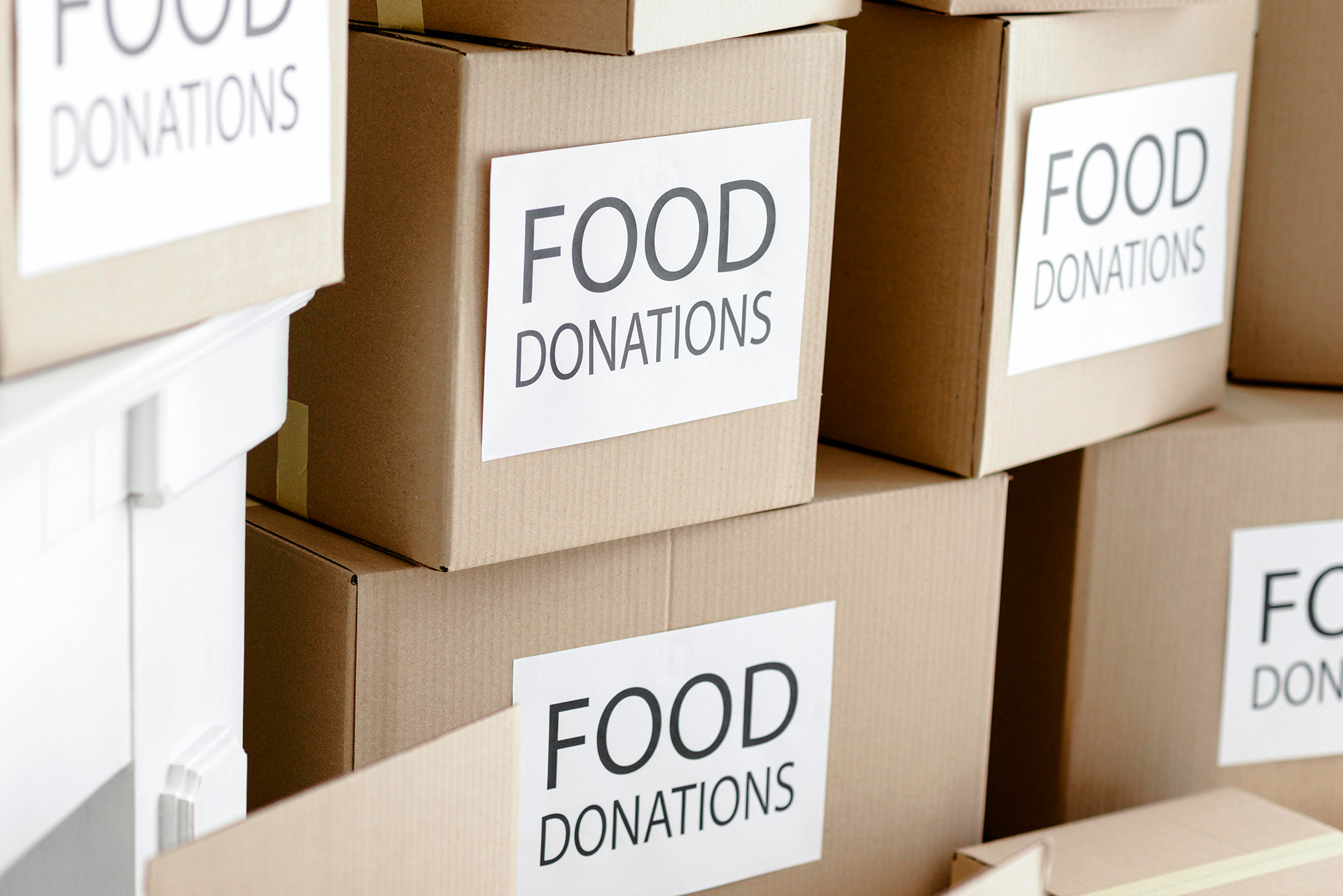
Food banks play a critical role in fighting hunger by providing free groceries to individuals and families facing food insecurity. While many people rely on food banks, fewer understand where all that food actually comes from. The truth is that food banks are supported by a diverse network of donors, partners, and community efforts working together to ensure nutritious food reaches those who need it most. Understanding these sources highlights just how collaborative and essential food banks are within our communities.
Grocery Stores and Retail Food Donations
One of the largest sources of food bank donations comes from grocery stores and food retailers. Many stores donate food that is still safe and nutritious but can no longer be sold. This may include:
- Items approaching their “best before” date
- Products with damaged packaging
- Seasonal or overstocked items
Retail food donations help reduce food waste while ensuring edible food feeds people instead of ending up in landfills. These partnerships are carefully managed, with food banks following strict food safety guidelines to ensure all donated items are safe for consumption.
Food Manufacturers and Distributors
Food manufacturers and distributors are another major contributor to food banks. These companies often donate:
- Surplus production runs
- Items with labeling changes
- Products that do not meet retail aesthetic standards
For example, a box of cereal with a misprinted label is perfectly safe to eat but may not meet retail requirements. Food banks can accept these items and distribute them to families in need, turning potential waste into valuable nutrition.
Farms, Growers, and Agricultural Programs
Fresh produce is a vital part of a healthy diet, and many food banks work closely with farmers and agricultural organizations to provide fruits and vegetables. Farms may donate:
- Excess harvests
- Produce that is cosmetically imperfect
- Crops grown specifically for donation programs
Some food banks organize gleaning programs, where volunteers help harvest leftover crops from fields after the main harvest. These partnerships help ensure food banks can offer fresh, nutritious options—not just shelf-stable foods.
Community Food Drives
Community food drives are one of the most visible and impactful ways food banks receive donations. Schools, workplaces, faith groups, and neighborhood organizations often organize food drives to collect non-perishable items such as:
- Canned vegetables and soups
- Pasta and rice
- Peanut butter and cereal
While individual donations may seem small, collectively they make a significant difference. Food drives also help raise awareness about food insecurity and encourage community involvement.
Financial Donations and Bulk Purchasing
While food donations are essential, money is just as important to food banks. Financial donations allow food banks to purchase food in bulk at significantly reduced costs. In many cases, food banks can stretch every donated dollar further than individual shoppers by buying wholesale or directly from producers.
Cash donations are often used to:
- Buy fresh produce, dairy, and meat
- Fill nutritional gaps not covered by donated food
- Respond quickly to emergencies or increased demand
This flexibility helps food banks maintain consistent and balanced food offerings.
Government and Public Programs
Food banks also receive support through government programs designed to strengthen food security. These programs may provide food directly or offer funding that helps food banks expand capacity, improve storage, or increase distribution.
Public support plays an important role during times of crisis, such as economic downturns or natural disasters, when food bank usage increases rapidly.
Restaurants and Food Service Donations
Some restaurants, caterers, and food service providers partner with food banks to donate surplus prepared or packaged food. These donations are carefully coordinated to ensure food safety standards are met. While not all food banks accept prepared foods, many have systems in place to safely distribute excess meals that would otherwise go to waste.
How Food Banks Ensure Food Safety
Food safety is a top priority for food banks. All donated food is inspected, sorted, and stored according to strict guidelines. Perishable items are kept refrigerated or frozen, and volunteers are trained to identify unsafe products. These processes ensure that families receive food that is both nutritious and safe.
Why These Food Sources Matter
The diversity of food sources allows food banks to provide a wide range of items, from pantry staples to fresh produce and protein. This variety supports better nutrition, dignity of choice, and healthier outcomes for individuals and families relying on food assistance.
By redirecting surplus food and combining it with strategic purchasing, food banks help reduce waste, strengthen communities, and ensure no edible food is wasted while people go hungry.
How You Can Support Food Bank Food Sources
You can help strengthen food bank supply chains by:
- Donating non-perishable food items
- Supporting local food drives
- Giving financial donations
- Advocating for food recovery and waste reduction
Conclusion
Food banks receive their food from many sources, including grocery stores, manufacturers, farms, community donations, financial contributions, and public programs. This collaborative system allows food banks to serve millions of people each year while reducing food waste and supporting nutrition. Every donation—whether food, funds, or time—plays a vital role in keeping shelves stocked and families fed.
