
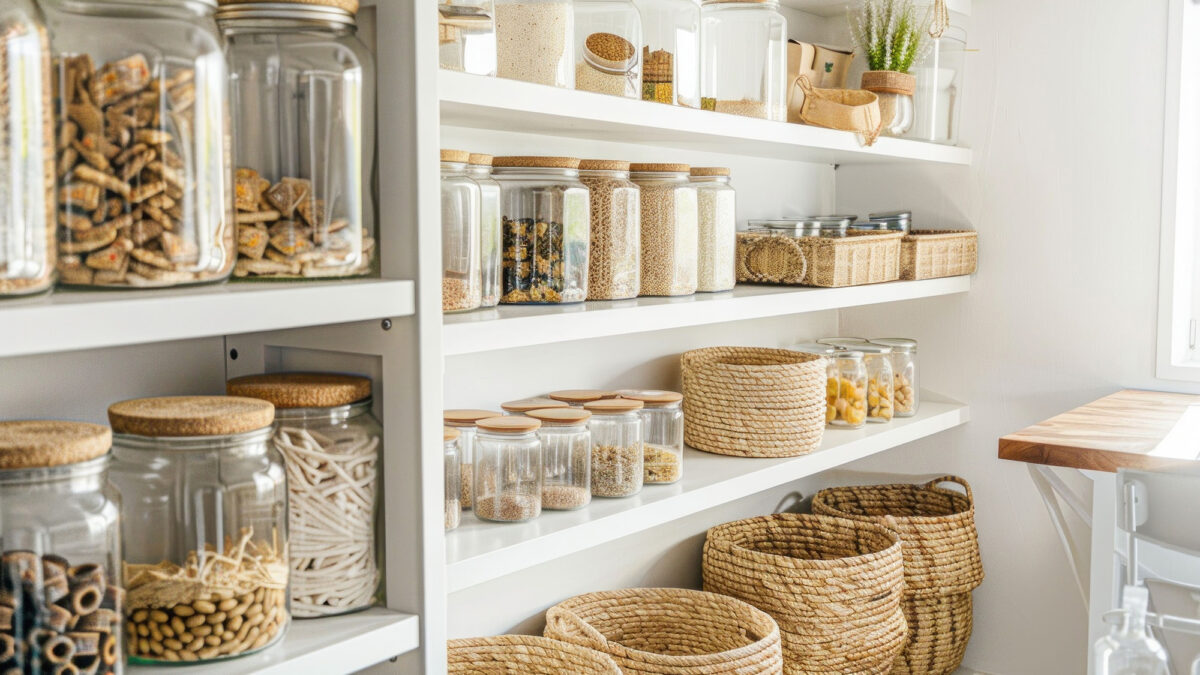

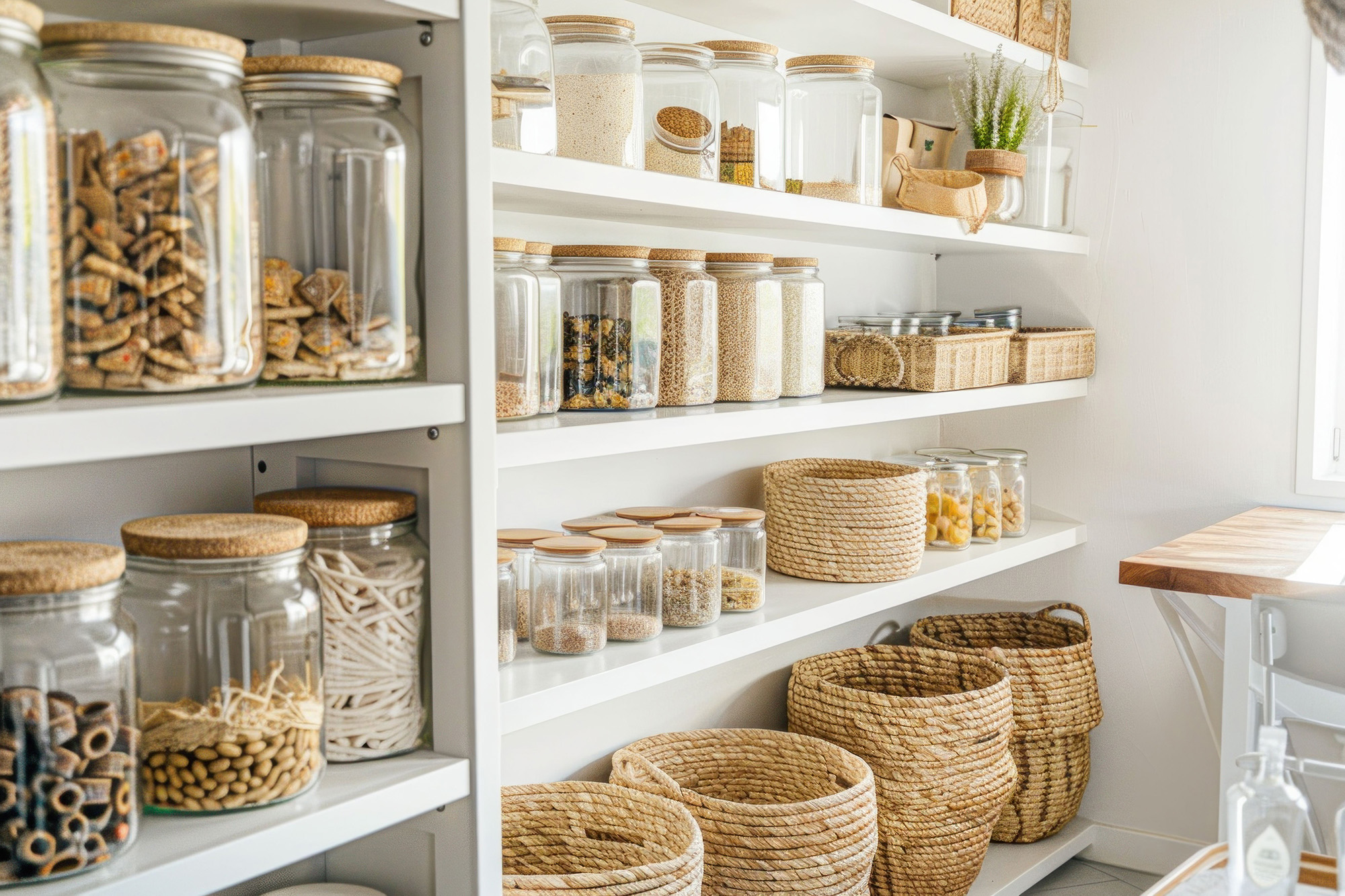
With grocery prices continuing to rise, more households are looking for practical ways to stretch their food budgets without sacrificing nutrition or variety. One of the most effective strategies is building a well-stocked budget pantry. According to Food Network’s guide to pantry cooking, having the right low-cost staples on hand allows families to prepare affordable meals at home while reducing food waste and unnecessary grocery trips.
Below are 14 essential ingredients every budget-conscious pantry should include, along with tips on how to use them to create satisfying, economical meals.
Why a Budget Pantry Matters
A budget pantry is more than just a storage space for food. It is a long-term savings strategy. Shelf-stable and long-lasting ingredients help reduce reliance on takeout, minimize impulse purchases, and make meal planning easier. When you have affordable staples available, it becomes much simpler to cook balanced meals with what you already own rather than shopping every few days.
1. Rice
Rice is one of the most affordable and versatile pantry staples. White, brown, jasmine, and basmati rice can be used as a base for countless meals, including stir-fries, soups, casseroles, and grain bowls. Rice is filling, inexpensive per serving, and stores well for long periods.
Cooking rice in large batches and freezing portions can save time and money throughout the week.
2. Beans
Beans, whether canned or dried, are an excellent source of affordable protein and fiber. They can be used in soups, chili, salads, burritos, and even homemade veggie burgers. Dried beans are especially cost-effective and can be cooked in bulk and frozen for later use.
3. Potatoes
Potatoes are one of the most economical vegetables available. They store well and can be prepared in countless ways, including roasting, boiling, baking, and mashing. Potatoes work well as a main ingredient or a hearty side dish and are particularly useful for budget meals.
4. Carrots
Carrots are inexpensive, nutritious, and extremely versatile. They add flavor, color, and natural sweetness to soups, stews, stir-fries, and salads. Properly stored carrots can last for weeks, making them a reliable pantry and refrigerator staple.
5. Cabbage
Cabbage is often overlooked, but it is one of the best value vegetables you can buy. It is affordable, lasts a long time, and can be used raw in salads, cooked in soups, stir-fries, or fermented into sauerkraut. Cabbage provides fiber, vitamins, and flexibility for budget cooking.
6. Frozen Vegetables and Fruits
Frozen produce is a smart budget choice. It is often cheaper than fresh, especially when items are out of season, and it reduces food waste since it does not spoil quickly. Frozen vegetables and fruits retain most of their nutritional value and are easy to add to meals on short notice.
7. Canned Tomatoes
Canned tomatoes, diced tomatoes, crushed tomatoes, and tomato paste are essential pantry staples. They form the base of many budget meals such as pasta sauces, soups, stews, and chili. Canned tomatoes are typically less expensive than fresh tomatoes and are available year-round.
8. Oats
Oats are one of the most affordable and nutritious grains available. They can be used for breakfast, baking, smoothies, and even savory dishes. Oats are filling, versatile, and inexpensive per serving, making them ideal for a budget pantry.
9. Tortillas
Tortillas are inexpensive and extremely flexible. They can be used for tacos, wraps, quesadillas, breakfast burritos, or cut into strips and baked for chips. Tortillas generally last longer than bread, helping reduce food waste.
10. Ramen or Inexpensive Noodles
Ramen and other low-cost noodles are a staple in many budget kitchens. While often associated with quick meals, they can be upgraded with vegetables, eggs, tofu, or leftover meat to create balanced, filling dishes at a low cost.
11. Pasta
Pasta is a classic budget ingredient. A single box can provide multiple meals and pairs well with many pantry staples, including canned tomatoes, beans, frozen vegetables, and ground meat. Pasta is quick to prepare and widely available at low prices.
12. Chicken Thighs
Chicken thighs are often less expensive than chicken breasts and offer more flavor. They are ideal for roasting, slow cooking, soups, and stews. Buying chicken thighs in bulk and freezing portions can significantly reduce protein costs.
13. Ground Meat
Ground beef, turkey, or pork is typically more affordable than whole cuts of meat. Ground meat works well in tacos, pasta sauces, meatballs, casseroles, and burgers. Stretching ground meat with beans, rice, or vegetables can further reduce meal costs.
14. Tofu
Tofu is a low-cost, plant-based protein that absorbs flavor well and works in many dishes. It can be stir-fried, baked, grilled, or added to soups and curries. Tofu is an excellent option for reducing meat consumption while maintaining protein intake.
Smart Pantry Shopping Tips
Building a budget pantry is most effective when paired with smart shopping habits.
Buying pantry staples in bulk often reduces the cost per serving. Items like rice, beans, pasta, and oats are ideal for bulk purchases when stored properly in airtight containers.
Taking advantage of sales and store loyalty programs can also help stretch your budget. Stocking up on non-perishable items when they are discounted prevents paying full price later.
Planning meals around what you already have is another key strategy. Checking your pantry before shopping helps avoid unnecessary purchases and reduces food waste.
When fresh produce is expensive, frozen or canned alternatives can offer similar nutritional value at a lower cost.
Final Thoughts
A well-planned budget pantry makes it possible to cook affordable, satisfying meals at home while keeping grocery costs under control. These 14 staples provide a strong foundation for countless recipes and meal combinations. With thoughtful shopping and basic planning, a budget pantry can help families save money, reduce waste, and maintain a healthy, varied diet.
