

In October 2024, the Calgary Food Bank marked a transformative shift in how it serves people experiencing food insecurity by introducing the Client Choice Distribution Model. As the program reached its first anniversary in October 2025, the Food Bank and the community it supports took a moment to reflect on the impact of this new approach — one that places dignity, respect, and personal agency at the forefront of emergency food support.
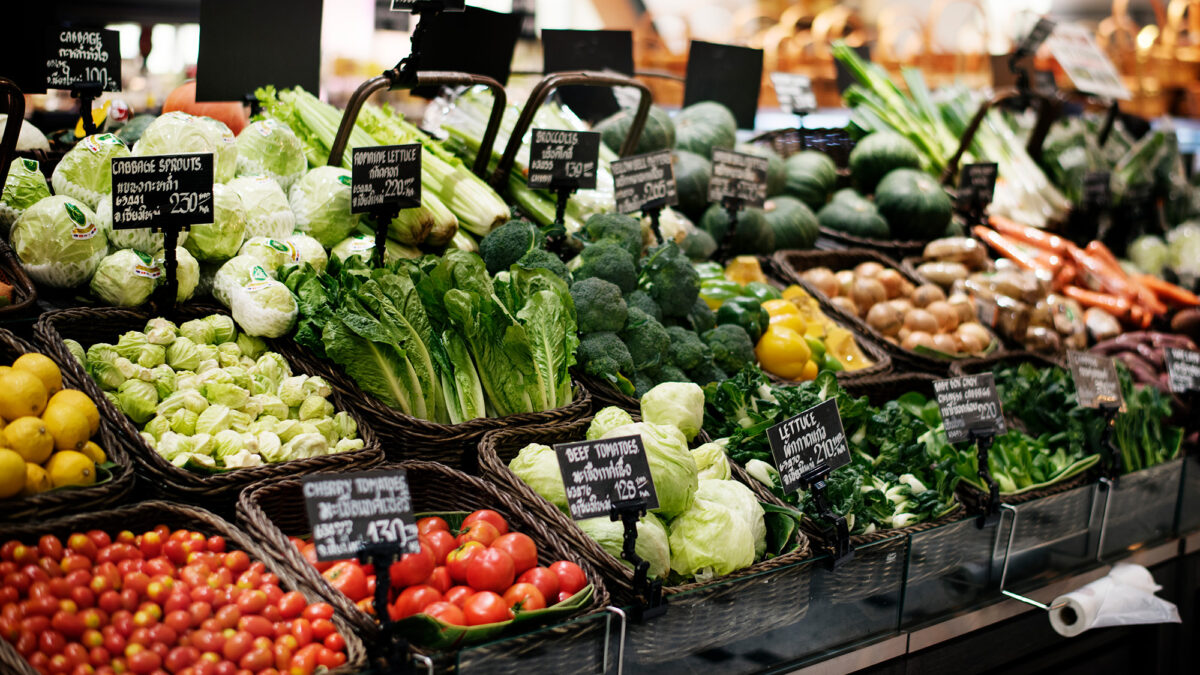
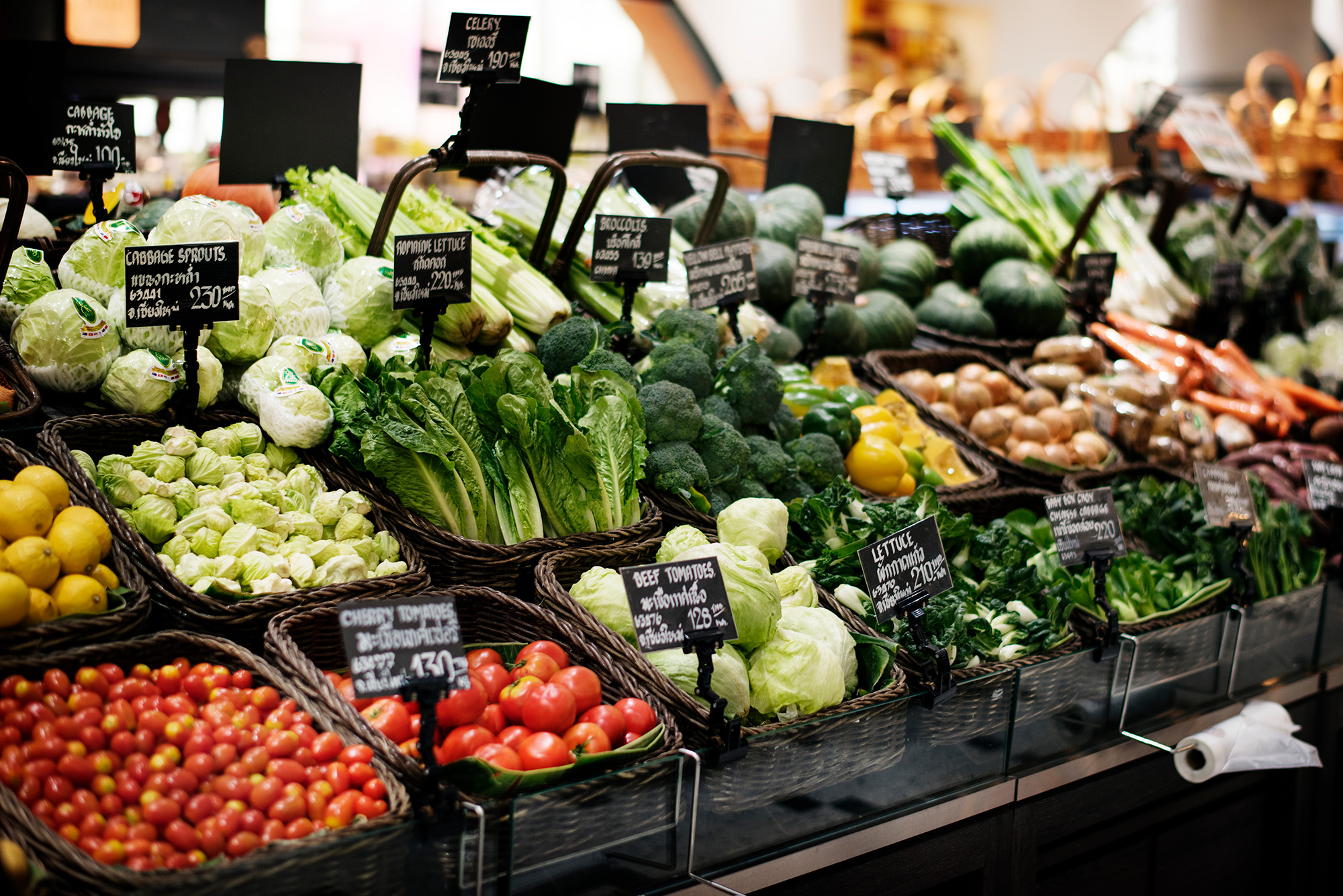
The essence of the Client Choice model is simple but powerful: rather than receiving a pre-packed hamper of food items determined by the Food Bank, clients are now able to select the foods they want and need. This approach mirrors the experience of shopping in a grocery store — within the constraints of available resources — and acknowledges that people are best positioned to determine what is suitable for themselves and their households.
From One-Size-Fits-All to Personal Choice
Before the shift in 2024, emergency food hampers were typically assembled by volunteers and staff without direct input from clients about preferences or dietary needs. While well-intentioned, this “one-size-fits-all” model often left clients with items they couldn’t use due to taste, cultural preferences, food allergies, or dietary restrictions.
With the Client Choice model, the experience is vastly different. As clients arrive for their appointment, they are greeted and checked in as usual — but now they receive a tablet to guide them through selecting items for their hamper. This digital tool helps clients choose from available categories such as grains, proteins, produce, and other staples, giving them a customizable shopping experience that better reflects their household’s size and needs.
Why Choice Matters
At its core, the Client Choice model is about human dignity. Food insecurity doesn’t strip people of their individuality, and the Calgary Food Bank recognized that offering choice helps preserve autonomy at a time when it’s often diminished.
Providing choice supports a person’s sense of control and helps reduce the stigma often associated with visiting a food bank. Instead of receiving a box of items someone else thought best, clients can now pick foods that align with their tastes, cultural background, and nutrition requirements, which increases the likelihood the food will be used and enjoyed.
Moreover, this model acknowledges the diverse needs of households. A family with young children may prioritize different foods than a senior living alone. Someone managing diabetes or other health conditions may need to make specific dietary choices. The Client Choice system reflects this diversity and works toward eliminating waste — both of unwanted food and of people’s time and energy.
Reflections After One Year
As the model turned one year old, the Calgary Food Bank reported positive outcomes. Clients expressed appreciation for the ability to choose their own items, and many commented that the experience felt more respectful and empowering. Staff and volunteers also adapted quickly to the new workflow, with many noting that the atmosphere during distribution days felt more collaborative and uplifting.
Behind the scenes, the transition to a choice model required careful planning. The Food Bank invested in technology — including tablets used for selection — updated its inventory and distribution processes, and trained staff and volunteers on how to support clients through this new system. All of this work was grounded in a broader client-centric philosophy that aims to treat every person with respect and compassion.
Bigger Picture: Food Insecurity in Calgary
The Calgary Food Bank is a frontline responder in a city where food insecurity remains an urgent issue. Even before the pandemic, many families and individuals struggled to put enough food on the table. Economic pressures — from rising housing costs to employment instability — have only heightened demand for food support services in recent years.
Organizations like the Calgary Food Bank and partner agencies across the city work tirelessly not just to distribute food, but to address the root causes of hunger. While emergency food support is essential, long-term solutions — including affordable housing, accessible healthcare, and stable employment opportunities — are equally necessary to ensure lasting food security for all Calgarians.
Looking Ahead
The success of the first year of the Client Choice model sets a promising precedent. The Calgary Food Bank continues to refine and improve the system, responding to client feedback and exploring ways to enhance the experience even further. Ideas under consideration include expanded food options, improved technology support, and additional resources that help clients navigate nutritional choices.
Perhaps most importantly, the Client Choice model represents a shift in how emergency food providers think about service delivery. It moves away from charity alone and toward partnership with clients — trusted collaborators in crafting solutions that respect their voices, preferences, and dignity.
