
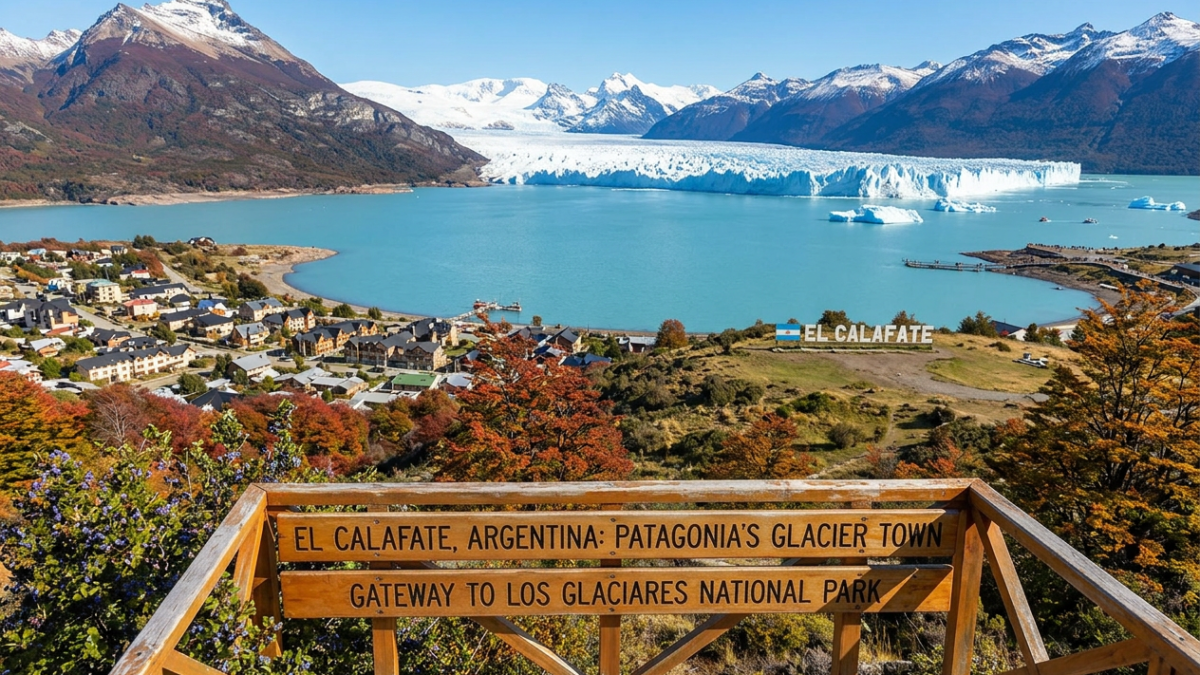

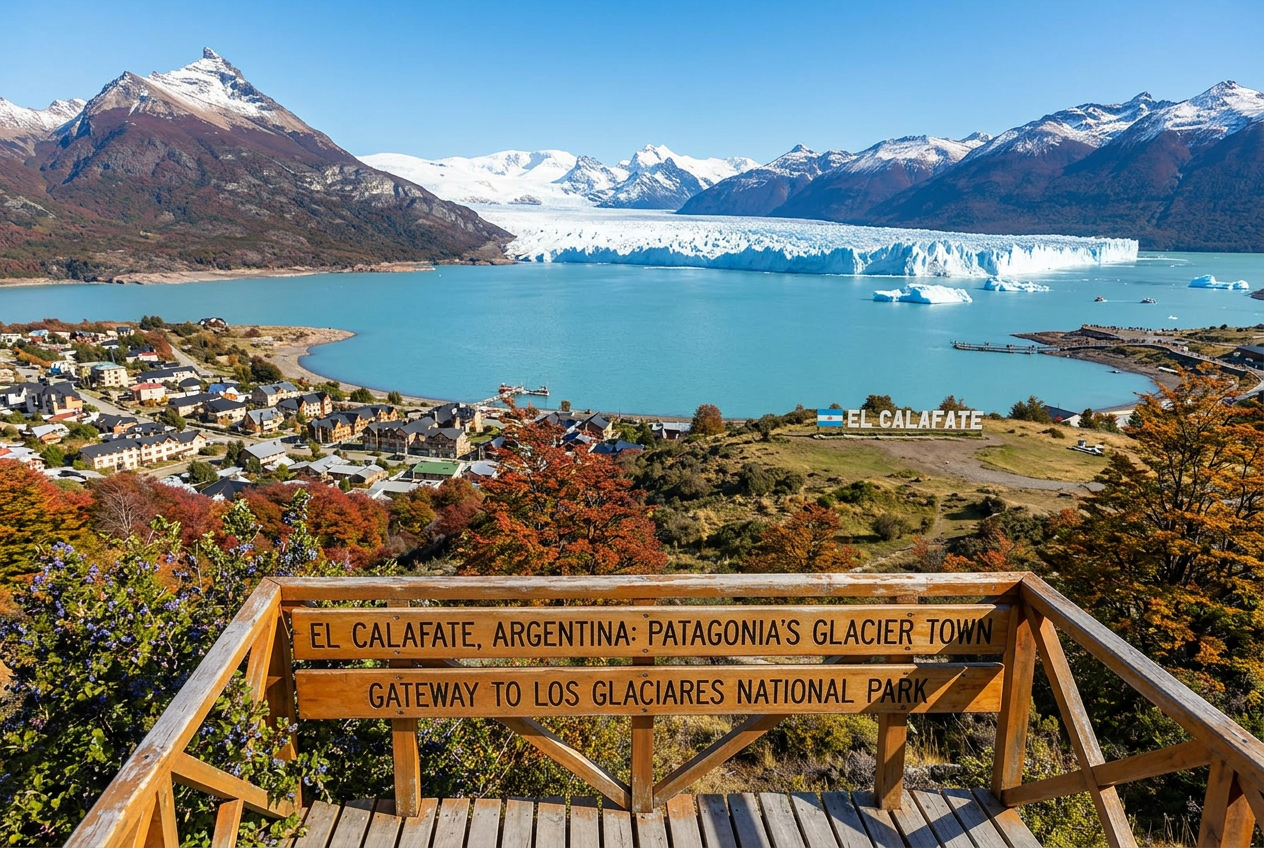
Most people visit El Calafate for the glaciers. They come for Perito Moreno — that impossibly massive wall of blue ice in southern Patagonia — and leave with thousands of photos and a story they’ll tell for years. But what catches many visitors off guard is the food. El Calafate has quietly built one of Argentina’s most interesting regional dining scenes, and if you’re not paying attention, you’ll miss it entirely.
Here’s what you should be eating (and drinking) when you visit.
Patagonian Lamb: The Dish That Defines the Region
If there’s one thing you absolutely cannot skip in El Calafate, it’s cordero patagónico — Patagonian lamb. This isn’t your average grilled meat. The lamb here is cooked slowly over an open flame using a technique called al asador, where the whole animal is splayed on a metal cross and roasted next to a wood fire for several hours. The result is smoky, tender, and unlike anything you’ve had before.
The best restaurants serve it simply: with roasted potatoes, a basic salad, and maybe some chimichurri on the side. The lamb speaks for itself. Look for places that cook it outdoors — you’ll usually spot the cross-shaped grills from the street, especially along Avenida del Libertador.
Expect to pay between $15 and $30 USD per person for a full lamb dinner with sides and a glass of Malbec. By any international standard, that’s exceptional value for a meal this good.
Patagonian Trout and Lake Fish
El Calafate sits on the shore of Lago Argentino, one of the largest lakes in South America. The surrounding rivers and streams are home to rainbow trout and brown trout, both introduced species that have thrived in Patagonia’s cold, clean waters.
You’ll find trout on almost every restaurant menu in town, prepared in a dozen different ways: grilled, smoked, pan-fried with almonds, or baked with a lemon cream sauce. The smoked trout is particularly good as a starter — served with thin toast, capers, and cream cheese, it’s a simple dish that showcases the quality of the fish.
Calafate Berry: The Fruit You’ve Never Heard Of
The town is named after the calafate berry (Berberis microphylla), a small, dark purple fruit that grows wild throughout Patagonia. Local legend says that anyone who eats the calafate berry will return to Patagonia someday — which is a charming way of saying it’s addictive.
You’ll find it everywhere: in jams, ice cream, chocolate, liqueur, and desserts. The berry has a tart, slightly sweet flavor that works beautifully in both sweet and savory preparations. The calafate ice cream alone is worth seeking out — it’s become the unofficial dessert of the town.
For gifts and souvenirs, local shops sell calafate jam, calafate-infused alfajores (Argentina’s beloved cookie sandwiches), and bottles of calafate liqueur that make excellent presents.
Argentine Wine in Glacier Country
Argentina is one of the world’s great wine countries, and even though El Calafate is far from Mendoza, every restaurant stocks excellent bottles at remarkably fair prices. A good Malbec that would cost $40 at a restaurant in New York or London will run you $10 to $15 USD here.
Malbec is the obvious choice and pairs beautifully with lamb, but don’t overlook Patagonian wines specifically. The wine regions of Neuquén and Río Negro — further north in Patagonia — produce elegant Pinot Noir and crisp Torrontés that match perfectly with trout and lighter dishes.
Craft Beer Scene
Argentina’s craft beer boom has reached even the smallest Patagonian towns, and El Calafate is no exception. Several local breweries produce excellent ales, stouts, and IPAs, many incorporating regional ingredients like calafate berries or native herbs.
After a long day on the glacier, there are few things better than settling into a warm brewpub with a flight of local beers. It’s the kind of low-key experience that rounds out a Patagonia trip perfectly.
Where to Eat: The Practical Details
El Calafate is a small town — roughly 25,000 residents — and most restaurants are concentrated along Avenida del Libertador and the surrounding blocks. You don’t need reservations at most places, but during peak season (December through February), the popular spots fill up by 9 PM. Argentines eat late, so restaurants typically open for dinner around 8 PM.
Budget travelers will find affordable options at simple parrillas (grill houses) and empanada shops. Mid-range restaurants offer full Patagonian menus with wine for $25 to $50 per person. And for a splurge, a few upscale restaurants serve modern takes on regional cuisine with lake views.
Combining Food and Glaciers: Plan Your Days Right
The key to a great El Calafate trip is balancing your glacier excursions with enough downtime to enjoy the town itself. Most visitors book at least one major glacier excursion in El Calafate — typically the Perito Moreno walkways, ice trekking, or a full-day boat tour through Los Glaciares National Park.
These excursions generally depart early and return by mid-afternoon, leaving your evenings free for long dinners. A smart approach is to schedule your active days and food-focused days alternately: glacier trek one day, extended lunch with wine the next.
If you’re planning to do multiple activities — say, the Perito Moreno Glacier experience plus kayaking or the Todo Glaciares navigation — give yourself at least four days in town. That’s enough time to hit the major excursions and still have evenings to explore the restaurant scene properly.
The Empanada Situation
No Argentine food guide is complete without mentioning empanadas. These stuffed pastries are the country’s unofficial national snack, and every region puts its own spin on them. In Patagonia, you’ll find fillings like lamb, trout, and even calafate berry alongside the classic beef, ham-and-cheese, and spicy chicken versions.
Empanadas are the perfect trail food — portable, filling, and cheap (usually under $1 USD each). Grab a dozen before your glacier day and thank yourself later.
What Visitors Don’t Expect
The biggest surprise for most food-focused travelers is the quality-to-price ratio. El Calafate isn’t a budget destination overall — flights from Buenos Aires and excursion fees add up — but the dining is remarkably affordable by international standards. A world-class lamb dinner with a bottle of Argentine Malbec, in a restaurant overlooking the Patagonian steppe, will cost you less than a mediocre pasta in central London.
That gap between experience and price is what makes eating in El Calafate so satisfying. You’re not just fueling up between glacier visits — you’re having meals that are genuinely worth traveling for.
For travelers looking to plan their complete El Calafate itinerary — including the full range of available excursions and tours alongside dining and logistics — local operators can help you structure a trip that balances adventure and downtime without missing the best of either.
