
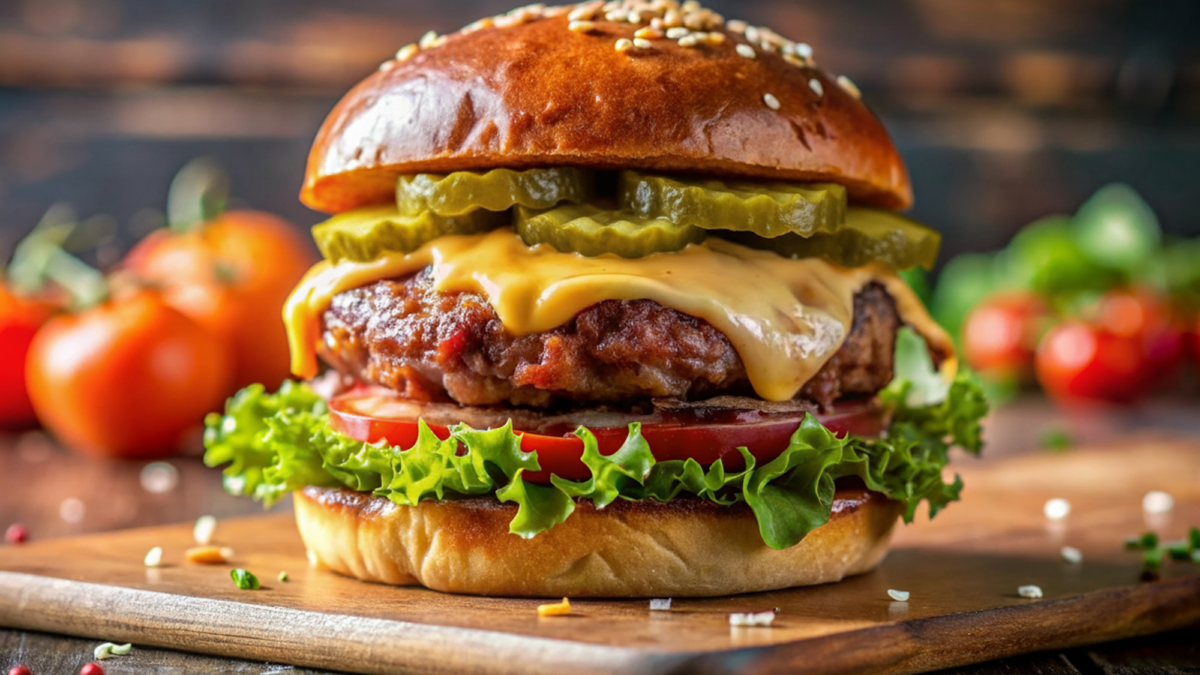

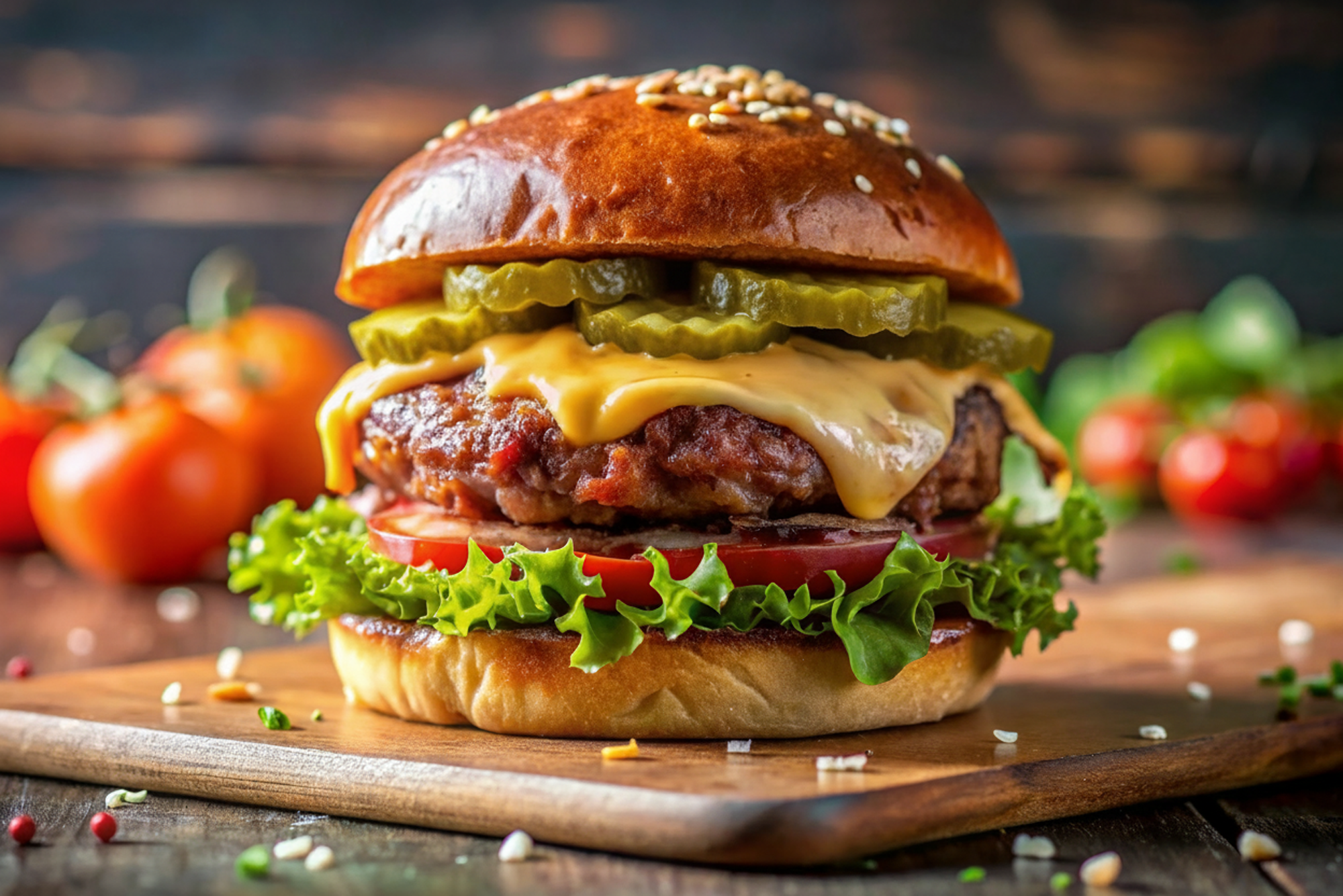
There is something timeless about a great burger made at home. The smell of seasoned beef hitting a hot pan or grill, the gentle toast on the buns, the fresh toppings, and that first bite with all the flavors coming together can turn a simple meal into something memorable. The best homemade hamburger recipe is not about making things complicated. It is about using good ingredients, handling them the right way, and cooking them with care.
Homemade burgers have one big advantage over restaurant burgers: control. You choose the meat, the seasoning, the size of the patties, the doneness, the bun, and the toppings. You can keep things classic with lettuce, tomato, onion, and pickle, or build something more indulgent with cheese, bacon, mushrooms, or caramelized onions. No matter how you serve them, learning how to make a burger properly at home gives you a reliable go-to meal for weeknights, cookouts, game days, and family dinners.
This guide walks through everything you need to know to make the best homemade hamburger recipe from scratch. You will find a full ingredient list, step-by-step instructions, expert tips, common mistakes to avoid, and simple ways to customize your burgers so they come out juicy, flavorful, and satisfying every time.
Why This Is the Best Homemade Hamburger Recipe
A lot of burger recipes promise great results, but the best ones focus on the fundamentals. The biggest secret is not a long ingredient list. It is balance.
A great burger starts with ground beef that has enough fat to stay moist during cooking. It needs just enough seasoning to enhance the natural flavor without overpowering it. It also needs proper shaping, because tightly packed patties can turn dense and tough. Once the burgers hit the heat, timing matters. Overcooking is one of the fastest ways to ruin a good patty.
This recipe works so well because it keeps things simple and effective. It uses classic pantry seasonings, a reliable beef-to-fat ratio, and easy techniques that anyone can follow. The result is a burger that is juicy inside, nicely browned outside, and full of rich beef flavor.
What Makes a Homemade Burger Taste Better
The difference between an average burger and an excellent one often comes down to a few details.
First, meat quality matters. Fresh ground chuck is usually the best choice because it offers a rich flavor and enough fat to keep the burger tender. Lean ground beef can work, but it often produces a drier result.
Second, the burger should not be overmixed. Once you start pressing and kneading the meat too much, the texture changes. The patties should be shaped gently, just enough to hold together.
Third, the cooking surface matters. A grill gives the burger smoky character, while a cast-iron skillet creates a strong crust and deep browning. Both methods can make an outstanding burger.
Finally, assembly matters. A soft toasted bun, crisp toppings, and the right amount of sauce help turn a homemade burger into something that tastes complete and satisfying.
Ingredients for the Best Homemade Hamburger Recipe
This recipe makes 4 large burgers.
For the burger patties
- 2 pounds ground chuck, ideally 80/20
- 1 1/2 teaspoons salt
- 1 teaspoon black pepper
- 1 teaspoon garlic powder
- 1 teaspoon onion powder
- 1 tablespoon Worcestershire sauce
- 1 tablespoon ketchup
- 1 teaspoon yellow mustard
For serving
- 4 hamburger buns
- 4 slices cheddar cheese or American cheese, optional
- Lettuce leaves
- Sliced tomatoes
- Sliced red onion
- Pickles
- Ketchup
- Mustard
- Mayonnaise
Optional extras
- Bacon
- Sautéed mushrooms
- Caramelized onions
- Jalapeños
- Avocado slices
- Barbecue sauce
Best Ground Beef for Homemade Hamburgers
If you want the best homemade hamburger recipe, start with 80/20 ground beef. That number means 80 percent lean meat and 20 percent fat. It is widely considered the ideal ratio for juicy burgers.
Fat is not just there for moisture. It also carries flavor. As the burger cooks, some of the fat melts into the meat, keeping it tender and helping create that classic burger taste. If you use ground beef that is too lean, such as 90/10 or 93/7, the patties may cook up dry and crumbly.
Ground chuck is usually the top choice for homemade burgers because it offers a rich beef flavor and reliable texture. Ground sirloin is leaner and sometimes firmer, while regular ground beef can vary more depending on the source.
Freshly ground beef from a butcher or meat department often produces the best results, but packaged ground chuck also works well for everyday cooking.
How to Make the Best Homemade Hamburger Recipe
Step 1: Prepare the meat mixture
Place the ground beef in a large mixing bowl. Add the salt, black pepper, garlic powder, onion powder, Worcestershire sauce, ketchup, and mustard.
Use your hands or a fork to combine the ingredients gently. Mix only until everything is evenly distributed. Do not overwork the meat. That is one of the most important steps in making tender burgers.
Step 2: Form the patties
Divide the meat into 4 equal portions. Shape each portion into a round patty about 3/4 inch thick. Make the patties slightly wider than the buns, because the meat will shrink as it cooks.
Press a shallow indentation into the center of each patty with your thumb. This helps prevent the burgers from puffing up in the middle while cooking.
Place the patties on a plate or tray. If you have time, refrigerate them for 15 to 20 minutes before cooking. This helps them hold their shape better.
Step 3: Heat your cooking surface
You can cook these burgers on a grill, in a cast-iron skillet, or on a flat-top griddle.
If using a grill, preheat it to medium-high heat and lightly oil the grates.
If using a skillet, place it over medium-high heat and allow it to get hot before adding the patties.
A properly heated surface helps develop a flavorful crust without sticking.
Step 4: Cook the burgers
Place the patties on the hot surface. Cook for about 3 to 5 minutes on the first side, depending on thickness and desired doneness. Flip once and cook for another 3 to 5 minutes.
For cheeseburgers, add a slice of cheese during the last minute of cooking and cover loosely so it melts.
Avoid pressing down on the burgers with a spatula. That squeezes out flavorful juices and can make the patties dry.
Step 5: Toast the buns
While the burgers finish cooking, split the buns and toast them lightly on the grill, in a dry skillet, or under the broiler for a minute or two.
Toasted buns hold up better to juicy burgers and add another layer of texture and flavor.
Step 6: Assemble the burgers
Spread your preferred sauces on the buns. Add the cooked burger patty, then layer on lettuce, tomato, onion, pickles, and any extra toppings you like.
Serve immediately while the burgers are hot and the buns are fresh.
Homemade Hamburger Cooking Times
Cooking time can vary depending on the thickness of the burger and your heat source, but these general guidelines help.
For medium-rare
Cook about 3 minutes per side.
For medium
Cook about 4 minutes per side.
For medium-well
Cook about 5 minutes per side.
For well-done
Cook about 6 minutes per side.
If you want more accuracy, use an instant-read thermometer.
- 130 to 135°F for medium-rare
- 140 to 145°F for medium
- 150 to 155°F for medium-well
- 160°F for well-done
For food safety, many home cooks prefer burgers cooked to 160°F, especially when serving children, older adults, or anyone with a higher food safety risk.
Tips for Juicy Homemade Burgers
Making the best homemade hamburger recipe does not require restaurant equipment, but it does benefit from a few smart techniques.
Use cold meat
Cold ground beef is easier to shape and helps the patties stay together better. Warm meat becomes softer and harder to handle.
Do not overmix
The more you work the meat, the firmer the burger becomes. Mix lightly and stop as soon as the ingredients are combined.
Make a thumbprint in the center
This simple trick helps the patty cook more evenly and keeps it flatter.
Flip only once
Let the burger develop a crust before flipping. Constant turning can interrupt browning and make the burger harder to cook evenly.
Let the burger rest briefly
A short rest of 2 to 3 minutes after cooking helps the juices redistribute.
Toast the buns
This is a small step that makes a big difference. Toasted buns add flavor and prevent sogginess.
Common Homemade Hamburger Mistakes to Avoid
Even simple recipes can go wrong when a few key details are overlooked.
One common mistake is using meat that is too lean. Lean meat often leads to dry burgers.
Another is packing the patties too tightly. Burgers should be firm enough to hold together, but not compressed like meatloaf.
Overseasoning is another issue. Burgers do not need a long list of spices. Too much added flavor can mask the taste of the beef.
Pressing the burgers while they cook is also a major mistake. It might create a dramatic sizzle, but it forces the juices out and leaves the burger drier.
Finally, skipping the bun toast can make the whole burger feel flatter and messier. A lightly toasted bun creates better texture and structure.
Best Buns for Homemade Hamburgers
The bun is more important than many people realize. A burger can be cooked perfectly and still feel disappointing if the bun is dry, flimsy, or too dense.
Brioche buns are a popular choice because they are soft, slightly rich, and toast beautifully. Potato buns are another excellent option because they are tender, slightly sweet, and strong enough to hold juicy patties. Sesame seed buns offer a classic burger-shop feel.
Choose buns that are soft but sturdy. If the bun is too thin, it may fall apart. If it is too heavy, it can overwhelm the burger.
Best Toppings for the Best Homemade Hamburger Recipe
A classic burger does not need much, but toppings can help personalize the experience.
Lettuce adds freshness and crunch. Tomato brings juiciness and balance. Red onion adds sharpness. Pickles add acidity and cut through the richness of the beef.
Cheese is one of the most popular additions. American cheese melts smoothly and gives that classic diner-style finish. Cheddar adds a sharper flavor. Swiss, pepper jack, and blue cheese can also work depending on the style you want.
For sauces, ketchup and mustard are timeless. Mayonnaise adds creaminess. Barbecue sauce works well for a smoky-sweet variation, while burger sauce can add tangy richness.
Easy Burger Variations to Try
One reason the best homemade hamburger recipe is so useful is that it can be adapted in many ways.
Classic cheeseburger
Add a slice of American or cheddar cheese and keep the toppings simple with lettuce, tomato, onion, pickle, ketchup, and mustard.
Bacon burger
Top the burger with crisp bacon and cheddar cheese for a richer, more savory meal.
Mushroom Swiss burger
Sauté mushrooms in butter until browned, then add them to the burger with melted Swiss cheese.
Barbecue burger
Brush the patty lightly with barbecue sauce near the end of cooking and top with cheddar, onion rings, or pickles.
Spicy burger
Add jalapeños, pepper jack cheese, and spicy mayo for extra heat.
California-style burger
Top with avocado, lettuce, tomato, red onion, and a light spread of mayo.
What to Serve With Homemade Hamburgers
A great burger becomes even better when paired with the right side dish. Homemade hamburgers are versatile, so you can keep things traditional or go a little lighter.
French fries are the obvious classic. Oven fries, sweet potato fries, or air fryer fries also work well. Potato salad, coleslaw, pasta salad, onion rings, and corn on the cob are all strong choices for cookouts and casual dinners.
For lighter options, serve burgers with a green salad, cucumber salad, roasted vegetables, or fruit salad. If you are making burgers for a gathering, setting out a mix of classic and fresh sides is a good way to please everyone.
Can You Make Hamburger Patties Ahead of Time
Yes, and that makes this recipe even more practical.
You can form the patties up to 24 hours in advance. Place them on a tray lined with parchment paper, cover them tightly, and refrigerate until ready to cook.
You can also freeze raw burger patties. Place parchment paper between each patty and store them in a freezer-safe bag or container. Freeze for up to 3 months. Thaw overnight in the refrigerator before cooking.
Having patties ready in advance makes this one of the easiest homemade dinner options when time is short.
How to Store and Reheat Leftover Burgers
If you have leftover cooked patties, let them cool and store them in an airtight container in the refrigerator for up to 3 days.
To reheat, place the burger patty in a skillet over low heat with a splash of water and cover briefly, or warm it in the oven until heated through. Microwaving works in a pinch, but it can affect the texture.
Store buns and toppings separately for the best results. Reassemble just before serving.
Frequently Asked Questions About the Best Homemade Hamburger Recipe
Should I add eggs or breadcrumbs to hamburger patties?
For a classic hamburger, no. Eggs and breadcrumbs are more common in meatloaf or meatballs. A traditional burger should rely on the meat itself to hold together.
Is it better to season the meat or season the outside?
Both methods can work. This recipe seasons the meat lightly throughout, which helps create even flavor. Some cooks prefer seasoning only the outside for a more pure beef texture. Either way, do not overdo it.
Can I cook burgers on the stove instead of the grill?
Yes. A cast-iron skillet is one of the best tools for homemade burgers because it creates excellent browning and crust.
How do I keep burgers from shrinking too much?
Make the patties slightly larger than the buns and create a shallow dent in the center before cooking.
What cheese melts best on burgers?
American cheese melts the smoothest, but cheddar, Swiss, Monterey Jack, and pepper jack are all good options.
Why Homemade Burgers Are Worth Making
Homemade burgers are one of those meals that can be both simple and deeply satisfying. They are easy enough for a casual weeknight dinner, but they also feel festive enough for weekends and gatherings. Once you know how to make the best homemade hamburger recipe, you can adjust it to fit any mood, season, or occasion.
There is also something rewarding about cooking burgers yourself. You are not relying on takeout or fast food. You know exactly what went into the patties, and you can shape the meal around your own preferences. That kind of flexibility is one reason burgers remain one of the most loved comfort foods.
Final Thoughts on the Best Homemade Hamburger Recipe
The best homemade hamburger recipe is not about complicated techniques or hard-to-find ingredients. It is about getting the basics right and treating each step with a little care. Use good ground beef, keep the seasoning simple, shape the patties gently, cook them on a hot surface, and serve them on toasted buns with fresh toppings.
That combination creates a burger that is juicy, flavorful, and satisfying every single time.
Whether you are cooking for your family, hosting a backyard meal, or simply craving a classic comfort food dinner, this recipe gives you a dependable way to make burgers that taste better than most restaurant versions. Once you try it, it may become your go-to burger method for years to come.
Best Homemade Hamburger Recipe Card
Ingredients
- 2 pounds ground chuck
- 1 1/2 teaspoons salt
- 1 teaspoon black pepper
- 1 teaspoon garlic powder
- 1 teaspoon onion powder
- 1 tablespoon Worcestershire sauce
- 1 tablespoon ketchup
- 1 teaspoon yellow mustard
- 4 hamburger buns
- Cheese slices, optional
- Lettuce, tomato, onion, pickles, and sauces for serving
Instructions
- In a large bowl, gently combine the ground beef with salt, pepper, garlic powder, onion powder, Worcestershire sauce, ketchup, and mustard.
- Divide the mixture into 4 equal portions and shape into patties about 3/4 inch thick. Press a small indentation into the center of each patty.
- Chill the patties for 15 to 20 minutes if time allows.
- Preheat a grill or cast-iron skillet over medium-high heat.
- Cook the patties for 3 to 5 minutes per side, depending on desired doneness.
- Add cheese during the last minute if using.
- Toast the buns lightly.
- Assemble the burgers with your favorite toppings and serve hot.
Quick Recipe Tip
For the juiciest result, use 80/20 ground chuck and avoid pressing down on the burgers while they cook.
