
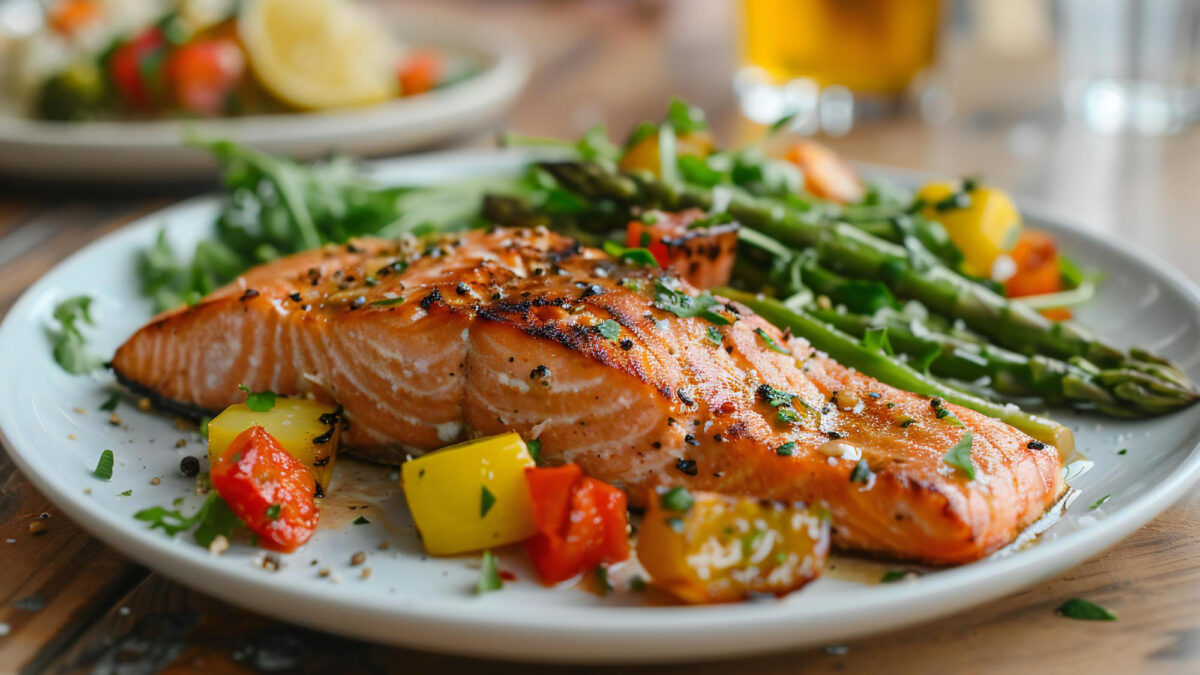

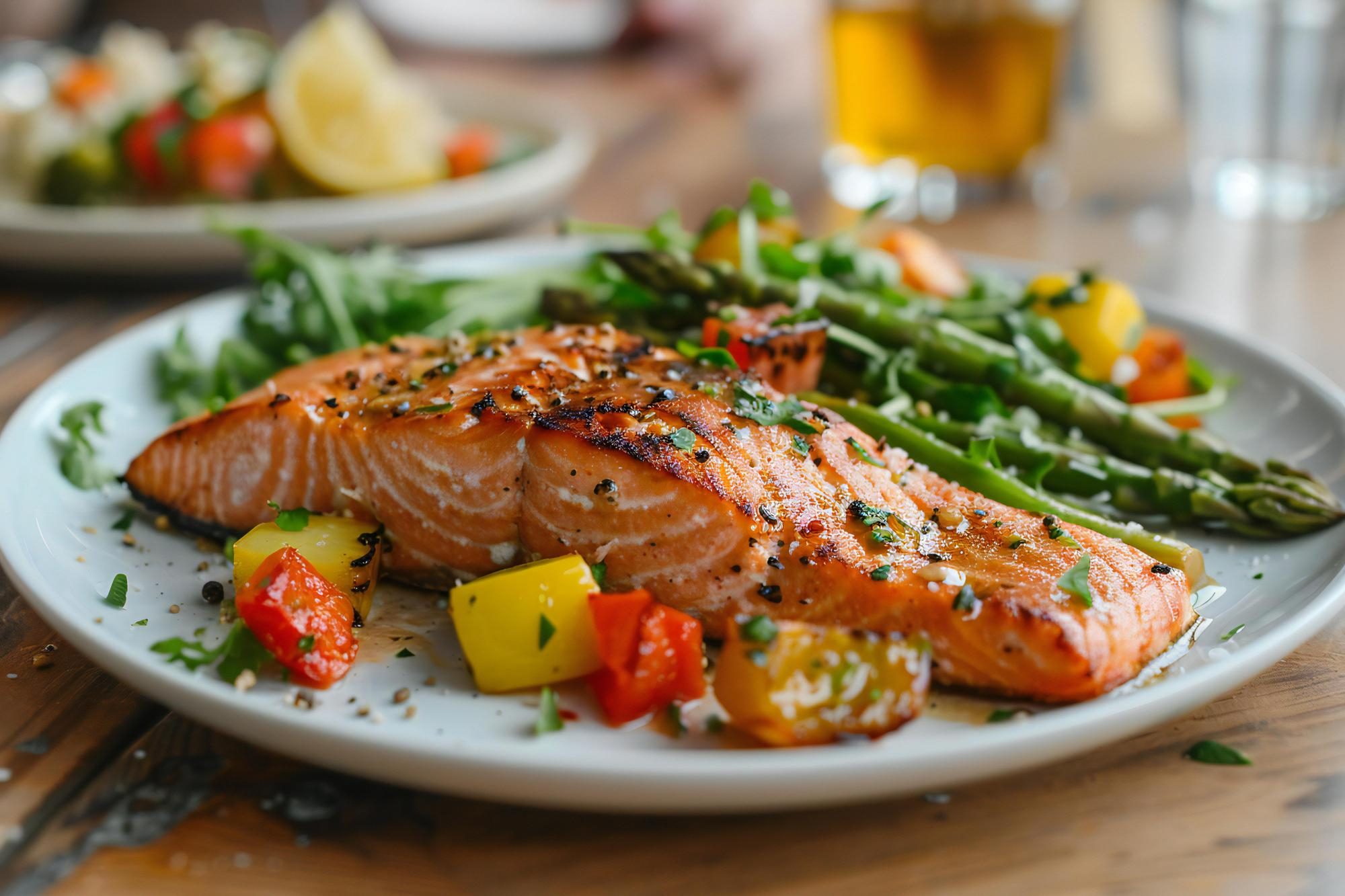
Frozen salmon is one of the easiest “always-ready” proteins you can keep on hand—fast, versatile, and usually more budget-friendly than fresh. The only problem? A lot of people end up with salmon that’s watery, bland, or unevenly cooked because they treat frozen fillets the same way they’d treat fresh.
The good news: the best way to cook frozen salmon is simple, and you don’t need to thaw it first. With the right method, you can get flaky, moist salmon with great flavor—without planning ahead.
This guide covers the best cooking methods (with times and temps), the seasoning that works best on frozen fish, and the safety basics you should know.
Can you cook salmon from frozen?
Yes. In fact, cooking salmon from frozen can work really well because it reduces handling time and helps keep the fish moist—as long as you cook it properly and bring it to a safe internal temperature.
Food safety note: Salmon should reach an internal temperature of 145°F (63°C) at the thickest part (or until it flakes easily and looks opaque). A thermometer makes this effortless.
The #1 best way to cook frozen salmon: Bake it (hands down)
If you want the most consistent results with the least effort, baking frozen salmon is the best overall method. It cooks evenly, stays moist, and is hard to mess up—especially when you use a quick “covered then uncovered” technique to prevent drying.
Best baked frozen salmon method (foolproof)
Why it works:
Covering the salmon first traps steam and gently thaws/cooks the center. Uncovering at the end lets the surface firm up so it’s not soggy.
What you need
- Frozen salmon fillets (skin-on or skinless)
- Olive oil or melted butter
- Salt + pepper
- Lemon (optional but great)
- Garlic powder or minced garlic (optional)
- Foil + baking sheet (or a baking dish)
Step-by-step
- Preheat oven to 425°F (220°C).
- Place frozen salmon on a foil-lined baking sheet.
- Brush with oil/butter, season with salt + pepper (and any other spices).
- Cover tightly with foil.
- Bake 12–15 minutes covered (this gently cooks through the center).
- Remove foil and bake 8–12 minutes uncovered, depending on thickness.
- Salmon is done at 145°F (63°C) or when it flakes easily.
Typical total bake time:
- Thin fillets (about 1 inch): 18–22 minutes
- Thicker fillets: 22–28 minutes
Best seasonings for baked frozen salmon
Frozen salmon benefits from bold, simple seasonings that stick well:
- Garlic powder + paprika + salt + pepper
- Lemon pepper
- Dijon + honey + garlic (glaze after the covered stage)
- Soy sauce + maple + ginger (brush on near the end)
Best way to cook frozen salmon fast: Air fryer
If you want speed and crisp edges, the air fryer is a top choice. You can get great texture quickly—especially with skin-on fillets.
Air fryer frozen salmon (quick method)
- Preheat air fryer to 390°F (200°C).
- Lightly oil salmon and season.
- Cook 7–9 minutes, then flip (optional) and cook 3–5 minutes more.
- Check for 145°F (63°C).
Total time: usually 10–14 minutes, depending on thickness.
Tip: If your fillet has a lot of ice glaze, run it briefly under cold water to remove surface ice, then pat dry before seasoning.
Best way to cook frozen salmon with crispy skin: Pan-sear + steam finish
This is the most “restaurant” method, but it’s also the easiest to mess up if you don’t manage moisture. The trick is to start skin-side down (if skin-on), then add a splash of liquid and cover to steam-cook the center.
Pan method (works best for skin-on)
- Heat a skillet over medium-high with oil.
- Add frozen salmon skin-side down (if applicable).
- Cook 4–6 minutes to crisp the skin.
- Add 2–3 tbsp water or broth, cover, reduce heat to medium.
- Steam 6–10 minutes until cooked through.
- Uncover to evaporate any excess liquid.
Pro tip: Pat dry any melt-water that pools in the pan so you sear instead of boil.
Best way to cook frozen salmon if you love sauce: Poach it
Poaching is underrated, but it’s one of the best ways to guarantee moist, tender salmon—especially if you don’t care about browning.
Simple poached frozen salmon
- Add broth/water to a pan (enough to come halfway up the salmon).
- Flavor it with lemon slices, garlic, pepper, herbs.
- Bring to a gentle simmer (not a hard boil).
- Add frozen salmon and cover.
- Cook 10–15 minutes until it flakes and hits 145°F.
This method is perfect for salads, grain bowls, tacos, and meal prep.
Microwave: Is it a “best way”? (Not really)
Yes, you can microwave frozen salmon, but it’s usually the last resort. The texture tends to turn uneven (rubbery edges, undercooked center). If you must, use low power, cover it, and finish with a sauce.
Should you thaw salmon before cooking?
You don’t have to. Cooking from frozen is totally fine and often easier. But thawing can help if you want:
- more even seasoning penetration (marinades)
- better browning (less moisture)
- precise doneness (especially for thicker fillets)
Best safe thawing options
- Overnight in the fridge (best)
- Cold water thaw: sealed bag in cold water, change water every 30 minutes
Avoid thawing salmon on the counter.
How to avoid watery frozen salmon
Watery salmon usually comes from surface ice glaze and excess moisture that releases during cooking. Fix it with these steps:
- Rinse off surface ice quickly under cold water (only if needed).
- Pat dry before seasoning.
- Use high heat for roasting (425°F) or air frying.
- Start covered then finish uncovered in the oven.
- Don’t crowd the pan/air fryer basket (steam = soggy).
Best sauces for frozen salmon (easy and high-impact)
If you want frozen salmon to taste “next level,” add one of these quick finishes:
1) Lemon garlic butter
Melt butter + lemon + garlic. Spoon over right after cooking.
2) Honey mustard glaze
Mix Dijon + honey + a splash of vinegar. Brush on in the last 5 minutes.
3) Teriyaki-style
Soy sauce + a bit of brown sugar/maple + ginger + garlic. Reduce briefly in a pan.
4) Creamy dill yogurt
Greek yogurt + dill + lemon + salt. Great for bowls and salads.
Internal temperature: the doneness rule that matters
The easiest way to nail salmon every time is checking internal temp:
- 145°F (63°C) = safe and flaky
If you prefer slightly softer salmon, many people pull it a bit earlier and let it carryover cook—but if you’re aiming for a “best way” approach that’s reliable and safe, 145°F is the target.
Best seasonings that stick to frozen salmon
Dry rubs are your friend because frozen fillets won’t absorb marinades quickly.
Try:
- salt + pepper + garlic powder + paprika
- cajun seasoning + a squeeze of lemon
- everything bagel seasoning (surprisingly good)
- smoked paprika + cumin + lime (taco vibe)
Tip: Use a thin coat of oil or mayo to help seasoning adhere.
FAQs: Best way to cook frozen salmon
How long does it take to cook frozen salmon?
Most methods take 10–28 minutes depending on thickness. Oven baking is usually 18–28 minutes at 425°F.
Can I cook frozen salmon without rinsing it?
Yes—if there’s minimal ice. Rinse only if there’s a thick ice glaze, then pat dry.
What’s the easiest method for beginners?
Oven baking: covered then uncovered. It’s consistent and forgiving.
What’s the fastest method?
Air fryer, usually 10–14 minutes.
How do I know it’s done without a thermometer?
It should look opaque and flake easily with a fork in the thickest part. (A thermometer is still the best.)
Final verdict: What’s the best way?
For most people, the best way to cook frozen salmon is:
✅ Bake at 425°F (covered then uncovered) for moist, even cooking and easy cleanup.
If you want speed, go air fryer. If you want the most tender texture, poach it. If you want crispy skin, do a pan-sear + steam finish.
