

What Makes a Restaurant Truly Memorable
Many restaurants serve good food, but only a few leave lasting impressions. A memorable restaurant experience is created through consistency, care, and emotional connection. Consistency is foundational. Guests return when they know the food, service, and atmosphere will meet expectations every time. Reliable quality builds...

The Evolution of Restaurants in the Digital Age
The restaurant industry has undergone major changes in recent years, largely driven by technology. Digital tools now influence how diners discover, evaluate, and interact with restaurants. Online search and reviews play a huge role in dining decisions. Most customers check ratings, menus, and photos before...

Why Supporting Local Restaurants Matters More Than Ever
Local restaurants are the heart of many communities, yet they face constant challenges. Rising food costs, staffing shortages, and competition from large chains make survival increasingly difficult. Supporting local restaurants has never been more important. One of the biggest advantages of local restaurants is their...

How to Choose the Right Restaurant for Any Occasion
How to Choose the Right Restaurant for Any Occasion Choosing the right restaurant can make or break an outing. With countless options available, selecting the best place requires more than just picking a popular name. Understanding what to look for ensures a satisfying dining experience,...

Why Restaurants Are More Than Just Places to Eat
Introduction Restaurants have always played a central role in society. While their primary purpose is to serve food, their true value goes far beyond what’s on the plate. From cultural expression to economic impact, restaurants shape communities in ways many people don’t fully realize. Restaurants...

How Food Banks Improve Mental Health and Quality of Life
Introduction Hunger doesn’t just affect the body—it deeply impacts mental health. Food banks play a vital role in improving emotional well-being and overall quality of life. Reducing Stress and Anxiety Food insecurity causes constant worry about meals, bills, and children’s nutrition. Food banks remove one...

Where Food Banks Get Their Food and Why It Matters
Introduction Many people wonder where food banks get their food. The answer reveals an impressive system of generosity, efficiency, and sustainability. Major Food Sources Food banks receive food from: Much of this food is perfectly good surplus that would otherwise go to waste. Fighting Food...
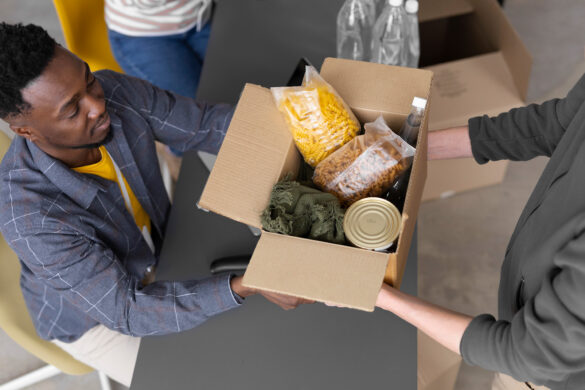
Why There Is No Shame in Using a Food Bank
Introduction One of the biggest barriers preventing people from accessing food banks is stigma. Many believe food banks are only for extreme poverty, but the reality is far different. Who Uses Food Banks Today Food bank users include: Unexpected expenses, job loss, or inflation can...

The Hidden Economic Benefits of Food Banks for Local Communities
Introduction Food banks don’t just help individuals—they strengthen entire communities. Their impact goes far beyond free groceries, contributing to economic stability, job support, and reduced public spending. Food Banks and Local Economies Every dollar donated to a food bank generates multiple dollars in economic value...

How Food Banks Help Families Save Hundreds on Groceries Every Month
Introduction With grocery prices rising across North America, many households are struggling to keep food on the table. Food banks play a crucial role in helping families bridge the gap between income and essential nutrition. Far from being a last resort, food banks are a...