
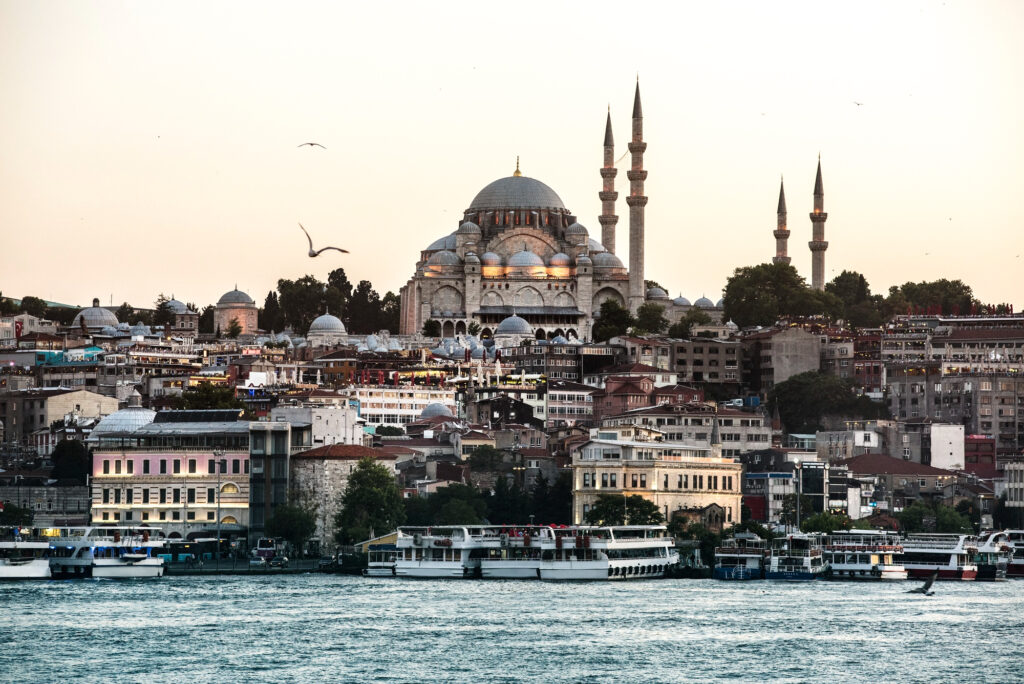
Istanbul is one of those cities that feels big the second you land: loud streets, fast-moving crowds, endless alleyways, and that constant “wait… am I on the Europe side or Asia side right now?” energy. If you’re visiting for the first time in 2026, the good news is that most travelers have a safe trip and spend their time worrying more about missing ferry sunsets than anything serious.
But “safe” doesn’t mean “risk-free.” Like any mega-city, Istanbul rewards basic street smarts. The risks that tend to hit first-timers are usually the unsexy ones: pickpocketing in busy tourist zones, taxi games, nightlife scams, and occasionally protests that pop up quickly. Government advisories also flag bigger-picture issues like terrorism risk and the possibility of demonstrations, which is why it’s smart to plan with awareness rather than fear.
Below is a practical, no-panic guide to what “safe” looks like in Istanbul in 2026, what to watch for, where to stay, how to get around, and what simple habits dramatically lower your odds of having a bad day.
The 2026 safety snapshot (what official advisories are actually saying)
Before we get into the on-the-ground stuff, here’s the real meaning behind the travel-advice language you’ll see.
In early 2026, Government of Canada advises travelers to exercise a high degree of caution in Türkiye due to the threat of terrorist attacks and possible demonstrations, and it also calls out specific regions near borders and in parts of the southeast for higher risk.
The U.S. Department of State lists Türkiye as Level 2: Exercise Increased Caution, explicitly citing terrorism and arbitrary detentions and recommending things like avoiding demonstrations and staying alert in tourist-heavy places.
And the Foreign, Commonwealth & Development Office notes ongoing demonstrations/protests in Istanbul (that can become violent) and highlights common risks like pickpocketing in major tourist areas.
How to interpret that as a first-timer: these advisories are not saying “don’t go to Istanbul.” They’re saying: be alert in crowded areas, avoid protests, take terrorism risk seriously (even if the chance is low on any given day), and don’t wander into high-risk border regions. For most tourists staying central and doing normal sightseeing, daily life risks look much more like “busy city problems” than “movie thriller problems.”
What first-time visitors most often deal with (ranked by likelihood)
If you’re trying to focus your energy on the stuff that actually matters, here’s the practical order of operations:
- Petty theft in crowds (pickpocketing, bag snatches) — especially in major tourist zones.
- Taxi/transport hassles (meter “issues,” long routes, cash confusion)
- Tourist-targeted scams (the “friendly local” who leads you into an expensive situation) — including bar/bill scams noted in Canadian guidance.
- Protests and sudden disruptions (tear gas/water cannons happen; transport can get messy fast).
- Alcohol risks (drink spiking and counterfeit/illegal alcohol concerns are specifically flagged).
- Low-probability, high-impact events (terrorism) — part of why advisories say “stay alert in tourist locations.”
- Natural hazards (earthquakes and aftershocks are a real regional fact of life).
That list isn’t meant to stress you out. It’s meant to keep you from over-optimizing for the wrong thing (like obsessing over “dangerous neighborhoods” while leaving your phone hanging out of your back pocket on the tram).
Where to stay in Istanbul as a first-timer (smart, simple, low-drama)
Istanbul is huge, and “safe vs unsafe” is rarely a clean map line. A better question is: where is it easiest to be a first-time tourist without constant hassle?
First-timer-friendly home bases
These areas are popular because they’re walkable, full of hotels, and you can get around without becoming a transit philosopher:
- Sultanahmet (historic sights, early nights, very touristy)
- Sirkeci (good transit access; close to the Old City vibe)
- Karaköy (cafés, ferries, easy access across the water)
- Galata (central, scenic, good for walking)
- Beşiktaş (local energy, good food, generally comfortable for visitors)
- Kadıköy (Asian side; more local, lively, great if you want “city life” not “tour group life”)
Areas where first-timers should use more caution at night
This isn’t “don’t go,” it’s “don’t stroll around half-lost at 1 a.m. because your phone died”:
- Around major nightlife strips if you’re alone and unfamiliar
- Some less-touristy pockets on the historic peninsula where streets get empty late
A simple rule that works: If the street gets quiet and you feel like you’re the only tourist left, call it and take a taxi/ride back.
Getting around safely (and not getting “tourist-priced” for it)
Istanbul’s public transport is used by locals all day, every day. Most visitors find it safe and efficient—just crowded.
Public transport: what to do
- Keep your phone and wallet front-pocket or zipped bag on trams, metros, and in stations.
- If you’re wearing a backpack in a tight crowd, swing it to the front.
- Avoid standing right by train doors with valuables easy to grab (classic big-city move).
Taxis: the most common source of “Istanbul is stressful” stories
Taxi problems are usually not violent—they’re financial/annoyance problems: meter not started, odd “currency misunderstandings,” unnecessary long routes.
Do this instead:
- Ask your hotel to call a taxi (or help you confirm how it should work).
- Confirm the destination on your map before you get in.
- When the taxi starts moving, visibly check the meter (normal behavior in many cities).
- Prefer paying by card when possible, or have small bills ready.
Airports: basic awareness, normal rules
Both Istanbul Airport and Sabiha Gökçen International Airport are major international airports. Your main “safety” concern here is the same as anywhere: keep an eye on your bags, ignore overly pushy unofficial offers, and use official transport options.
The scams you should actually know (and how to dodge them in 2 seconds)
Istanbul has a few scams that keep showing up because they work on polite tourists. The goal isn’t to be paranoid; it’s to recognize the pattern fast.
1) The “new friend” who steers you into an expensive bar
Canadian travel guidance specifically mentions a scam in Istanbul where locals invite tourists to bars for food/drinks and then pressure them into paying a steep bill.
How to dodge:
If you didn’t pick the place, don’t go. If you’re already there and things feel off, pay for what you ordered (if reasonable) and leave—don’t “negotiate” in the moment.
2) Drink spiking and “too-friendly” nightlife invites
Both UK and Canadian guidance warn about spiked food/drinks and advise not leaving drinks unattended or accepting items from strangers.
How to dodge:
- Buy your own drink.
- Keep it in your hand.
- If you set it down and look away, it’s done—get a new one.
3) Counterfeit / unsafe alcohol
The UK travel advice warns about deaths/serious illness linked to illegally produced spirits and counterfeit bottles, including in Istanbul. Canada also warns about methanol-adulterated alcohol.
How to dodge:
- Stick to reputable bars/hotels.
- Avoid suspiciously cheap spirits.
- If a bottle looks tampered with, don’t risk it.
4) Pickpocketing in tourist hotspots
The UK specifically says street robbery and pickpocketing are common in Istanbul’s major tourist areas.
How to dodge (the “boring but effective” way):
- Zippers closed.
- Phone not hanging out of pockets.
- Bag straps across your body.
- Extra attention in tight crowds like bazaars, tram platforms, and busy squares.
5) The “helpful” stranger with money exchange / directions
Not always a scam, but it’s a common setup. If the help involves moving locations, handling your cash, or getting you into a car, decline.
Your script: friendly smile, “No thanks,” keep walking.
Protests in Istanbul: what first-timers should do (and not do)
This matters in 2026 because multiple official sources explicitly mention demonstrations.
The UK warns that regular demonstrations and protests are occurring in Istanbul and can become violent, and that police have used tear gas and water cannons.
Canada notes demonstrations can happen, disrupt roads/public transport, and could turn violent.
The U.S. guidance also advises avoiding demonstrations because they may become violent and unpredictable.
What to do if you bump into one
- Leave early (don’t “watch from the side”)
- Don’t film police/security up close
- Expect transport disruptions and reroutes
- Go into a café/shop and re-route from there if streets are blocked
A very Istanbul-specific tip: if a square suddenly feels tense, it’s often smarter to take the long way around than to push through and “see what’s happening.”
Terrorism risk: low odds on a normal day, but worth smart habits
This is the heavy topic, but it’s part of why official advisories exist.
Canada states there is a threat of terrorism in Türkiye and notes that armed attacks have happened in major cities like Ankara and Istanbul, and that targets can include tourist attractions, restaurants, shopping centers, hotels, and transportation hubs.
The U.S. travel information page similarly notes the potential for terrorist attacks remains high and lists tourist locations and public venues as potential targets; it also recommends avoiding demonstrations and carrying ID.
And the U.S. advisory’s practical tips include staying alert in tourist locations and avoiding crowds/demonstrations.
What “being smart” looks like (without ruining your trip)
- Don’t hang around big crowds that feel politically charged
- Avoid demonstrations completely
- Keep a low profile at major events if tensions are high
- Monitor local news / alerts (especially if there’s a big regional news cycle)
- Pick accommodation with visible security (common in many hotels anyway).
This approach is about reducing exposure, not living in fear.
Solo travelers, women, and nightlife safety
Istanbul can be a fantastic solo trip. The main difference is you’ll want tighter routines: clearer transport choices, fewer “spontaneous” situations, and a stronger bias toward well-lit, busy areas late at night.
Canada explicitly notes risks like sexual assault and says women traveling alone may face harassment/verbal abuse, recommending awareness of surroundings.
The U.S. travel info also notes awareness around personal safety and recommends caution and good judgment.
Simple habits that work
- In nightlife areas, stay with your group (or choose places you picked yourself)
- Don’t accept surprise invitations to a “better bar” somewhere else
- If you feel uncomfortable, trust that feeling and leave—fast and calmly
- Have a “go home” plan before you go out (saved address + backup transport)
Health & food safety: what to prep before you go
Most “health safety” in Istanbul is about staying hydrated, managing long walking days, and not getting sick from avoidable stuff. If you’re traveling in 2026, health authorities still emphasize basics like being up to date on routine vaccines.
The Centers for Disease Control and Prevention recommends being up to date on routine vaccines (including MMR) and notes vaccines like Hepatitis A are recommended for unvaccinated travelers going to Türkiye; it also flags that measles cases have been rising globally.
Quick pre-trip checklist
- Check routine vaccines + any travel vaccines your clinician recommends
- Pack basic meds you always use (pain relief, allergy meds, stomach basics)
- Consider travel insurance that covers medical care and evacuation (also encouraged by UK guidance).
- Don’t treat “street food” as automatically dangerous—treat crowded, high-turnover stalls as your safest bet (freshness matters)
Earthquakes and natural hazards: yes, it’s real—here’s the calm way to handle it
Turkey is seismically active. The UK notes many parts of Turkey experience earthquakes and tremors, and even mentions a 6.2-magnitude quake in the Sea of Marmara (April 2025) that was felt strongly in Istanbul, with aftershocks possible.
So what should a first-time visitor do?
Not “panic.” Just do the sensible prep you’d do anywhere with natural hazards:
- Know your hotel’s emergency exit route (literally glance at the door map)
- Keep shoes and a flashlight accessible at night
- Save an offline map of your area
- If something happens, follow local authority guidance
Turkey’s disaster agency AFAD encourages people to keep a disaster/emergency bag and even mentions reviewing and replacing expired items every six months.
Emergency numbers and “what to do if something goes wrong”
If you do nothing else, at least screenshot these.
According to the official Visit Istanbul phone list:
- 112 medical emergency (ambulance)
- 110 fire
- 155 police
- Tourism police and other helpful lines are also listed.
Canada’s travel advice also notes dialing 112 for emergency assistance.
Your “if things go wrong” mini-plan
- If it’s urgent: call 112
- If you’re pickpocketed: file a police report (you may need it for insurance)
- Contact your bank immediately if cards are stolen
- If you lose your passport: contact your consulate/embassy (and keep a photo of your passport stored securely)
A 10-point Istanbul safety plan for first-timers
Here’s the whole playbook in one place:
- Choose a first-timer-friendly base (walkable + transit-friendly).
- Use zipped bags, front pockets, and extra caution in crowds.
- Don’t accept “let me take you somewhere” offers from strangers.
- In taxis, confirm the route and ensure the meter is running.
- Avoid demonstrations completely—leave early if one forms.
- Keep drinks in sight; don’t accept open drinks/food from strangers.
- Be cautious with alcohol—stick to reputable venues.
- Carry ID and keep digital copies of key documents.
- Monitor local updates if regional tensions spike (and be flexible).
- Save emergency numbers (112/155/110) and your hotel address.
Quick FAQ (because these are the questions everyone actually asks)
Is Istanbul safe at night?
In touristy central areas, many visitors feel fine at night—especially in busy streets with restaurants and foot traffic. The real “night risk” is usually scams, alcohol-related trouble, or getting lost in quieter streets. Stick to lit, busy routes and use a taxi/ride if you’re unsure.
Is Istanbul safe for families?
Generally yes. Most families’ biggest issues are crowds (strollers + stairs + packed trams) and keeping kids close in busy areas. Pick accommodations with good access and keep routines simple.
Is it safe to visit bazaars like Grand Bazaar?
Yes, but treat them like any crowded market anywhere: pickpocket rules apply, don’t flash large amounts of cash, and keep bags closed.
Are there areas I should avoid entirely?
For most tourists, the big “avoid entirely” guidance is about border regions, not Istanbul. Multiple advisories recommend avoiding travel within about 10 km of the Syria border and highlight specific southeastern provinces due to security risks.
Bottom line
So—is Istanbul safe for first-time visitors in 2026? For most travelers doing normal sightseeing, yes: it’s a busy, thrilling city where smart, everyday precautions go a long way. The realistic risks are mainly petty crime and scams, plus the occasional disruption from protests; government advisories also remind travelers to stay alert because terrorism risk exists and situations can change.