
Introduction
Many people wonder where food banks get their food. The answer reveals an impressive system of generosity, efficiency, and sustainability.
Major Food Sources
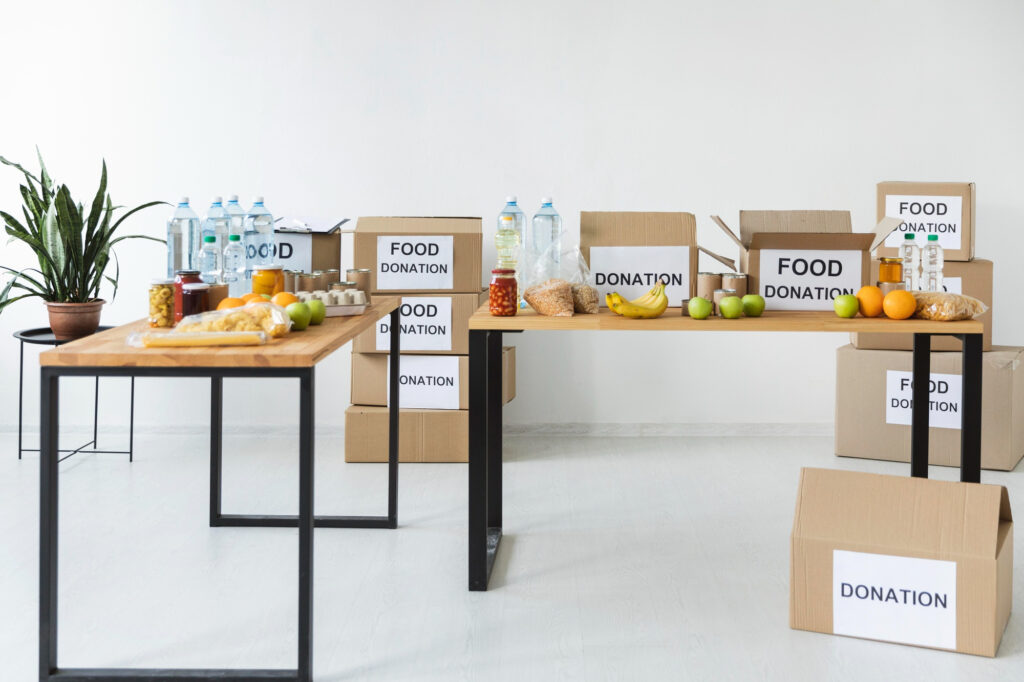
Food banks receive food from:
- Grocery stores
- Farmers and producers
- Restaurants
- Food manufacturers
- Community food drives
Much of this food is perfectly good surplus that would otherwise go to waste.
Fighting Food Waste
Food banks are one of the most effective tools in reducing food waste. By redistributing surplus food, they help protect the environment while feeding people in need.
Quality and Nutrition
Modern food banks prioritize nutrition. Many provide fresh produce, dairy, protein, and culturally appropriate foods—not just canned items.
Donations Turn Into Impact
A single donation can be transformed into multiple meals through partnerships and bulk purchasing power.
Conclusion
Food banks are a bridge between abundance and need, turning potential waste into nourishment and dignity.