
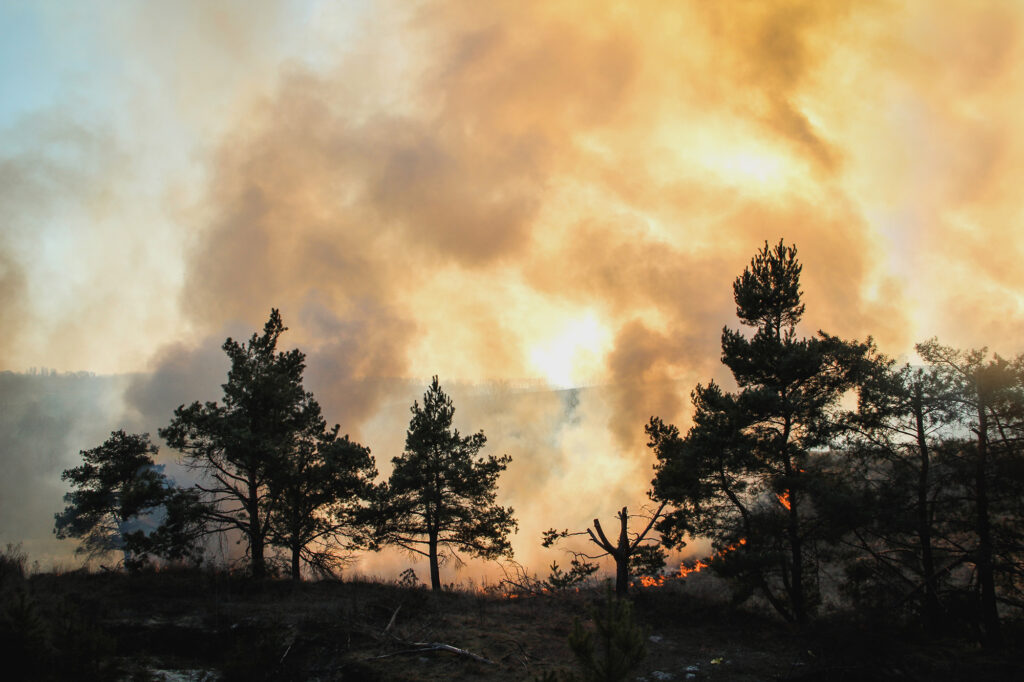
In the aftermath of devastating wildfires that swept through parts of Los Angeles County, the physical danger from the flames may be over, but the ripple effects continue to impact families long after the smoke clears. From lost jobs and disrupted living situations to emotional stress and rising costs, wildfire survivors face a long, difficult road to recovery. In these challenging circumstances, access to nutritious food becomes far more than a basic need — it becomes an anchor of stability, helping families regain their footing as they rebuild their lives.
At the heart of this effort is the Los Angeles Regional Food Bank, which has continued to provide ongoing support through food distributions and community programs tailored to meet the evolving needs of families affected by wildfire disasters. By partnering with local agencies, schools, and volunteers, the Food Bank’s work makes a meaningful difference for households facing hardship long after the initial crisis has passed.
A Personal Story of Resilience
One family’s experience illustrates the depth of this need and how essential ongoing food support can be. Nicole, a resident of Pasadena — a community still in recovery following the wildfires — has been helping her brother’s family rebuild after the disaster upended their lives. Both of her brother’s children attend Washington Elementary School, and since the fires, the family’s financial strain has intensified. With both parents losing their jobs and costs continuing to mount, something as basic as putting meals on the table became harder than ever.
For Nicole’s family, the Food Bank’s food distributions and Backpack Program at Washington Elementary School have been a lifeline. These efforts, which provide nutritious groceries and weekend food supplies for students, give the family a measure of security during a prolonged and uncertain recovery phase. “Anything helps, especially now,” Nicole shared, underscoring how these resources ease pressures that can be overwhelming for families still piecing their lives back together.
The Food Bank’s support doesn’t just fill stomachs — it provides a sense of stability at a time when homes, routines, and financial security have been shaken. Receiving food assistance can mean the difference between meeting essential needs and facing impossible choices between groceries, rent, or utilities. That sense of reassurance matters deeply for families working to rebuild.
How the Food Bank Supports Ongoing Recovery
While emergency responses often focus on immediate needs during a disaster — evacuations, emergency shelter, and first aid — the road to recovery can be long and fraught with ongoing challenges. Food insecurity doesn’t end when the flames are extinguished. Many households affected by wildfires also experience job loss, transportation barriers, and interruptions to social assistance programs, all of which can contribute to chronic food needs.
The Los Angeles Regional Food Bank’s approach recognizes this reality. By continuing food distributions through a network of partner agencies and community programs, the Food Bank ensures that families don’t just survive the first weeks after a wildfire — they are supported throughout the months of recovery that follow. These distributions provide balanced, nutritious food that helps sustain children in school, reduces stress on stretched family budgets, and allows parents to focus on longer-term recovery goals.
School-based programs like the Backpack Program are especially impactful. They ensure that children who may have lost access to school meals still receive food on weekends and holidays, helping to maintain their health and academic performance during upheaval. By linking food support with school communities, the Food Bank nurtures resilience in both students and their families.
Partnerships That Strengthen Support
No single organization can respond to the full range of needs created by a disaster like a wildfire. That’s why the Food Bank collaborates with a wide array of community partners, including schools, nonprofits, faith-based organizations, and government agencies. Together, these groups coordinate distributions, share resources, and expand the reach of essential services to ensure families have reliable access to food when they need it most.
The Food Bank also works in coordination with emergency response networks that provide immediate shelter and essential supplies in the immediate aftermath of a disaster. But as the acute crisis phase fades, the focus shifts to long-term recovery support, with food assistance playing a central role in helping households regain stability.
In addition to these ongoing partnerships, organizations such as the American Red Cross have provided grants to support expanded food relief efforts in the wake of the wildfires, helping the Food Bank scale up its services and reach more individuals and families in need.
Facing Ongoing Economic Pressures
The need for ongoing food support isn’t driven solely by disaster impacts. Broader socioeconomic pressures — such as rising living costs, housing instability, and interruptions to federal nutrition programs like SNAP — compound the struggles of families already trying to recover. When government benefits are delayed or reduced, food banks step in to help fill the gap, ensuring that families aren’t left without critical resources.
For many wildfire survivors, the economic aftermath can be just as destabilizing as the physical loss of property. Disruptions to employment, housing, and community life can persist for months, making reliable access to food a foundation for emotional and financial recovery. Continued food distributions allow families to allocate their limited resources to rebuilding efforts, medical needs, and other critical expenses without sacrificing nutrition.
Moving Forward Together
The story of families like Nicole’s highlights both the ongoing challenges faced by wildfire survivors and the powerful role that community support can play in recovery. Food distributions provided by the Los Angeles Regional Food Bank are more than temporary relief — they are part of a sustained effort to support families in rebuilding their lives with dignity.
These efforts demonstrate that when communities come together — through donations, volunteerism, and collaborative partnerships — recovery becomes not just possible, but hopeful. Food assistance continues to be a practical and compassionate response to the long-term impacts of wildfires, helping countless families put nourishing meals on the table as they work toward a more stable future.