
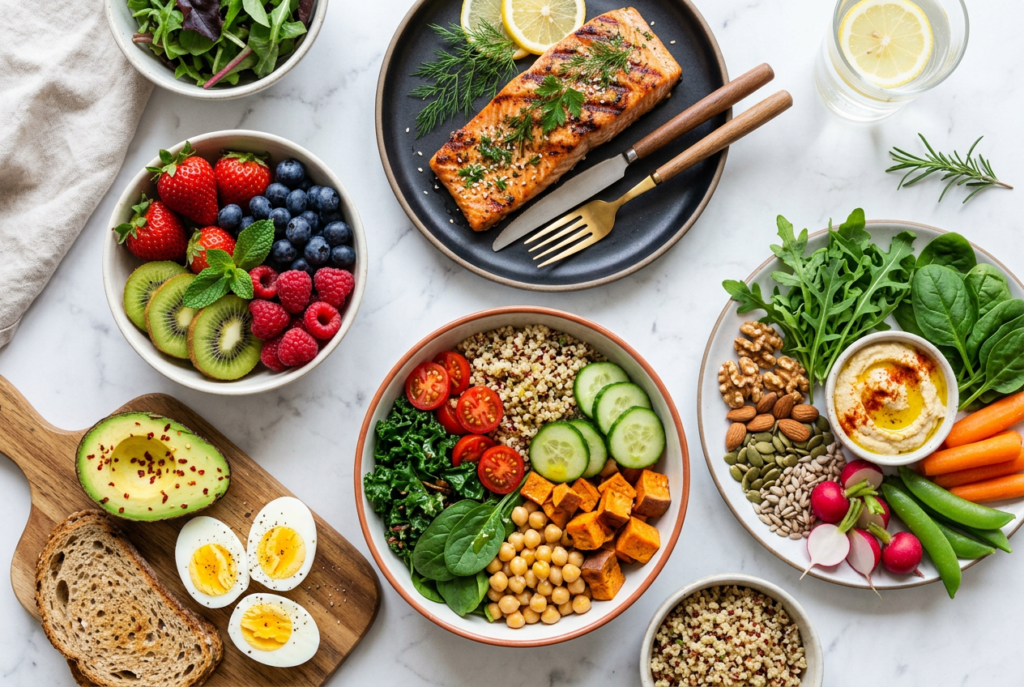
If you have hypertension, one of the most effective places to start is your plate. A high blood pressure diet is not a crash plan or a short-term cleanse. It is a steady way of eating that helps lower sodium, improve overall nutrition, support healthy blood vessels, and make it easier to manage your blood pressure over time.
The good news is that you do not need a perfect diet to make progress. Small changes can add up fast. Cooking more meals at home, eating more fruits and vegetables, choosing whole grains, and cutting back on heavily processed foods can all move you in the right direction. The best-known eating pattern for this is the DASH diet, which stands for Dietary Approaches to Stop Hypertension. It emphasizes vegetables, fruits, whole grains, beans, nuts, lean protein, and low-fat dairy while limiting sodium, saturated fat, sweets, and sugary drinks. Research supported by the National Heart, Lung, and Blood Institute has found that DASH can lower blood pressure, and lower sodium can reduce it even more.
This guide explains what a high blood pressure diet looks like in real life, which foods help most, which foods are worth limiting, and how to turn broad advice into practical meals you can actually stick with.
What is a high blood pressure diet?
A high blood pressure diet is an eating pattern built to reduce strain on your heart and arteries. In practical terms, that usually means eating more potassium-rich whole foods, cutting back on sodium, choosing healthier fats, and getting more fiber from plants. It also means being more careful with processed meats, salty packaged foods, restaurant meals, and sugar-heavy drinks that can crowd out more helpful choices. The DASH eating plan is the model most often recommended because it is specifically designed to help lower blood pressure.
This does not mean every person with high blood pressure needs the exact same menu. Your ideal plan may depend on your age, calorie needs, culture, budget, medications, kidney function, and whether you are also managing conditions like diabetes or high cholesterol. Still, the foundation is similar for most adults: more whole foods, less sodium, and better balance across the day.
Why diet matters so much for blood pressure
Blood pressure is influenced by many things, including genetics, age, activity level, body weight, sleep, stress, and medications. Food matters because it affects fluid balance, blood vessel tone, and long-term heart health. Too much sodium can raise blood pressure, and too little potassium can make that problem worse. That is one reason health agencies focus so heavily on both nutrients together rather than just telling people to stop using the salt shaker. In fact, the CDC notes that most sodium comes from processed and restaurant foods, not from salt added at the table.
The encouraging part is that diet changes can work fairly quickly. NHLBI notes that DASH can lower blood pressure within weeks, and lower sodium intake can improve results further. That makes food one of the most practical first-line strategies for many people, especially when combined with regular movement, healthy sleep, and medical follow-up.
The core principles of a high blood pressure diet
1. Base meals around plants
Vegetables, fruits, beans, lentils, nuts, seeds, and whole grains should do most of the heavy lifting. These foods naturally provide fiber and key minerals such as potassium and magnesium. They also make it easier to eat fewer packaged foods, which is one of the simplest ways to lower sodium without obsessing over every bite. DASH specifically emphasizes vegetables, fruits, and whole grains as core parts of the plan.
2. Keep sodium in check
For teens and adults, the federal recommendation is less than 2,300 milligrams of sodium per day as part of a healthy eating pattern. NHLBI also states that about 1,500 milligrams per day lowers blood pressure even further than 2,300 milligrams in the DASH framework. You do not need to hit perfection on day one, but being aware of sodium is essential because many everyday foods contain far more than people expect.
3. Choose healthier protein sources
Fish, poultry, beans, peas, lentils, nuts, and seeds fit better into a blood-pressure-friendly pattern than processed meats and fattier cuts of red meat. Low-fat or fat-free dairy can also be part of the plan. DASH recommends these foods because they help provide protein without the heavy sodium and saturated fat load that often comes with more processed options.
4. Limit saturated fat, added sugar, and ultra-processed foods
A high blood pressure diet is not only about sodium. It also helps to reduce foods high in saturated fat and added sugar, especially when they replace more nutrient-dense foods. Heavily processed meals and snacks often combine too much sodium with too little fiber and potassium, which is not a good mix for heart health.
5. Be careful with alcohol
Alcohol can affect blood pressure. The National Institute on Aging advises that for those who drink, men should have no more than two drinks a day and women no more than one a day to lower their risk of high blood pressure. Some people may need less, especially if alcohol is already affecting sleep, weight, medications, or blood pressure control.
Best foods to eat for high blood pressure
The simplest way to think about this is to build most meals from foods that are naturally low in sodium and rich in helpful nutrients.
Vegetables
Leafy greens, broccoli, carrots, tomatoes, peppers, zucchini, cauliflower, mushrooms, cucumbers, cabbage, and squash all work well. Fresh and frozen vegetables are usually easier choices than canned vegetables with added salt. Vegetables support DASH because they provide fiber, volume, and potassium without much sodium when kept plain.
Fruits
Berries, oranges, bananas, apples, pears, kiwis, melons, grapes, peaches, and apricots can all fit well. Whole fruit is usually more filling than juice and brings fiber along with natural sweetness. Fruit is one of the easiest ways to replace salty or sugary snacks during the day.
Whole grains
Oats, brown rice, quinoa, barley, bulgur, whole grain bread, and whole wheat pasta can help form the base of blood-pressure-friendly meals. Whole grains are part of DASH and help increase fiber intake, which can support better overall diet quality and satiety.
Beans, lentils, and peas
These are excellent for a high blood pressure diet because they are filling, affordable, and versatile. They also fit the DASH pattern well and can help replace more sodium-heavy processed meats. Lentil soup made at home, bean salads, hummus, and chickpea bowls are all smart options.
Nuts and seeds
Unsalted almonds, walnuts, pistachios, chia seeds, flaxseeds, pumpkin seeds, and sunflower seeds can add texture and nutrition to meals and snacks. Portion size still matters because nuts are calorie-dense, but they are a better regular choice than many salty snack foods. DASH includes nuts and seeds weekly as part of the pattern.
Low-fat dairy or fortified alternatives
Milk, yogurt, and kefir can fit well when you choose lower-sodium and lower-saturated-fat versions. For people who do not consume dairy, fortified unsweetened alternatives may help, though sodium and sugar levels vary by product. DASH specifically includes fat-free or low-fat dairy as a regular part of the plan.
Lean protein
Fish, skinless poultry, tofu, and minimally processed soy foods are usually stronger choices than bacon, sausage, deli meat, or fried fast food. The goal is not to avoid protein. It is to get it from sources that are less likely to come packaged with high sodium or excess saturated fat.
Healthy fats
Olive oil, avocado, nuts, and seeds fit more comfortably into a heart-healthy pattern than butter-heavy or deep-fried foods. DASH includes vegetable oils while limiting tropical oils and foods high in saturated fat.
Foods to limit if you have high blood pressure
Most people do not need to ban foods forever. It is more useful to identify the biggest repeat offenders and reduce how often they show up.
Processed and packaged foods
Frozen dinners, instant noodles, boxed rice mixes, canned soups, packaged sauces, and many snack foods can be major sodium sources. A meal does not have to taste salty to contain a lot of sodium. This is one reason label reading becomes such an important habit on a high blood pressure diet.
Processed meats
Bacon, ham, sausage, hot dogs, pepperoni, and deli meats tend to be high in sodium and are often high in saturated fat too. These foods can push sodium intake up fast, especially when combined with bread, cheese, and sauces in sandwiches or breakfast plates.
Restaurant and fast food meals
Restaurant food is one of the easiest places for sodium to add up without you realizing it. The CDC recommends asking for nutrition information, requesting no added salt when possible, and choosing fruit or vegetables as side dishes. Even foods that sound healthy can become high-sodium meals when sauces, dressings, cheese, and seasoning blends are added.
Salty condiments and extras
Soy sauce, teriyaki sauce, bottled salad dressings, bouillon, seasoning packets, ketchup, pickles, olives, and flavored snack toppings can all quietly raise sodium intake. You do not always need to remove them completely, but smaller amounts and lower-sodium versions can make a real difference.
Sugary drinks and sweets
A high blood pressure diet is not just about salt. DASH also limits sugar-sweetened beverages and sweets because they can displace better foods and make it harder to manage weight and overall cardiometabolic health. Water, sparkling water, plain tea, and unsweetened coffee are usually better daily defaults.
How much sodium should you aim for?
For many adults, a practical first goal is to move toward less than 2,300 milligrams of sodium per day. If your clinician has advised a lower target, or if you are following DASH more strictly, 1,500 milligrams per day may lower blood pressure even further. The key is consistency. Cutting back sharply for two days and then eating very salty meals the rest of the week usually will not help much.
An easy mindset shift is to think less about the salt shaker and more about the package, the drive-thru, and the takeout menu. That is where a large share of sodium comes from. Home cooking, even simple cooking, gives you much more control.
Potassium matters too
Potassium helps balance the effects of sodium, which is why it gets so much attention in blood pressure nutrition. Fruits, vegetables, beans, and low-fat dairy are common sources in DASH. The Office of Dietary Supplements notes that people with low potassium intake have a higher risk of developing high blood pressure, especially when sodium intake is high.
That said, more potassium is not right for everyone. People with chronic kidney disease may need to avoid foods high in potassium depending on their treatment plan. If you have kidney disease or have been told to watch potassium, do not make a big increase without checking with your healthcare team first.
A simple one-day high blood pressure diet meal plan
Here is what a balanced day might look like:
Breakfast
Oatmeal cooked with milk or an unsweetened fortified milk alternative, topped with berries, sliced banana, and a spoonful of chia seeds.
Mid-morning snack
Plain yogurt with a small handful of unsalted walnuts, or an apple with natural peanut butter.
Lunch
A grain bowl with brown rice or quinoa, grilled chicken or chickpeas, cucumbers, tomatoes, spinach, carrots, and an olive oil and lemon dressing with minimal added salt.
Afternoon snack
Carrot sticks, bell pepper strips, or fruit with hummus.
Dinner
Baked salmon or lentils, roasted sweet potatoes, steamed broccoli, and a side salad with olive oil and vinegar.
Evening option
Fresh fruit, unsalted popcorn, or plain kefir if you want something light.
This kind of menu reflects the major DASH themes: more produce, more whole foods, better sources of protein, and fewer heavily processed ingredients.
Smart grocery choices for a high blood pressure diet
A good grocery cart does not need to be expensive or complicated. Focus on categories first.
Buy plenty of vegetables and fruit, fresh or frozen. Choose whole grains such as oats, brown rice, or whole grain bread. Keep beans, lentils, chickpeas, and tuna or salmon on hand, but compare labels because sodium varies widely. Pick unsalted nuts and seeds when possible. Choose plain yogurt, milk, or lower-sodium alternatives. Stock simple flavor boosters like garlic, lemon, vinegar, onion, herbs, black pepper, cumin, paprika, and olive oil so meals still taste satisfying without relying on salt. These strategies line up well with CDC sodium-reduction advice and the DASH eating pattern.
Tips for eating out without blowing your sodium budget
You do not need to stop eating out. You just need a better strategy.
Look up nutrition information before ordering when available. Ask for sauces and dressings on the side. Request no added salt if the kitchen can do it. Choose grilled or baked items over breaded and fried options. Swap fries for fruit or plain vegetables when possible. Split large restaurant portions, because a bigger meal often means more sodium even before the salt shaker appears. These are all tactics the CDC recommends to help reduce sodium intake away from home.
Common mistakes people make on a high blood pressure diet
One common mistake is focusing only on obvious salty foods. Bread, condiments, sauces, packaged cereals, flavored yogurts, and restaurant meals can all contribute more sodium than people expect.
Another mistake is buying foods that say natural, multigrain, or organic and assuming they are low in sodium. Those labels do not guarantee a better choice for blood pressure. The nutrition facts label still matters.
A third mistake is making the diet so strict that it becomes miserable. A high blood pressure diet should be sustainable. It is better to build habits you can repeat than to chase a perfect week and then give up. This is one reason DASH works so well as a framework. It is a broad eating pattern, not a short list of forbidden foods.
Can diet alone lower high blood pressure?
Sometimes yes, sometimes not. For some people, improving diet, lowering sodium, becoming more active, sleeping better, and managing body weight can produce meaningful changes. For others, medication is still necessary even with strong habits. The National Institute on Aging notes that medication can control blood pressure, while healthy lifestyle changes may help lower the dose needed.
That is why it is important to think of food as part of treatment, not a test of willpower. A strong diet can support your medications, reduce long-term risk, and improve your overall health even if it does not replace prescriptions completely.
High blood pressure diet FAQ
Is the DASH diet the best diet for high blood pressure?
It is one of the most established and most specifically researched eating patterns for hypertension. NHLBI developed and continues to recommend it because it has been shown to lower blood pressure and improve heart-health markers.
What foods lower blood pressure fast?
No single food works like a switch. What helps most is the overall pattern: lower sodium, more fruits and vegetables, more whole foods, and fewer processed meals. That pattern can begin helping within weeks, but consistency matters more than chasing one “superfood.”
Should everyone with high blood pressure eat more potassium?
Not always. Potassium-rich foods can help many people, but people with chronic kidney disease or certain medical conditions may need a different plan. Personal medical guidance matters here.
Final thoughts
The best high blood pressure diet is not extreme. It is structured, realistic, and repeatable. Build meals around vegetables, fruits, whole grains, beans, nuts, lean protein, and low-fat dairy or suitable alternatives. Cut back on highly processed foods, restaurant meals, salty condiments, and processed meats. Keep sodium in view, and think about potassium from food if it is appropriate for you.
Most of all, aim for a pattern you can keep. Blood pressure tends to respond better to steady routines than to short bursts of motivation. A simple, balanced, lower-sodium eating style can do more for your heart than any trendy reset ever will.
Source guidance for this article was drawn primarily from the CDC, NHLBI, NIA, NIDDK, and the Dietary Guidelines for Americans.