
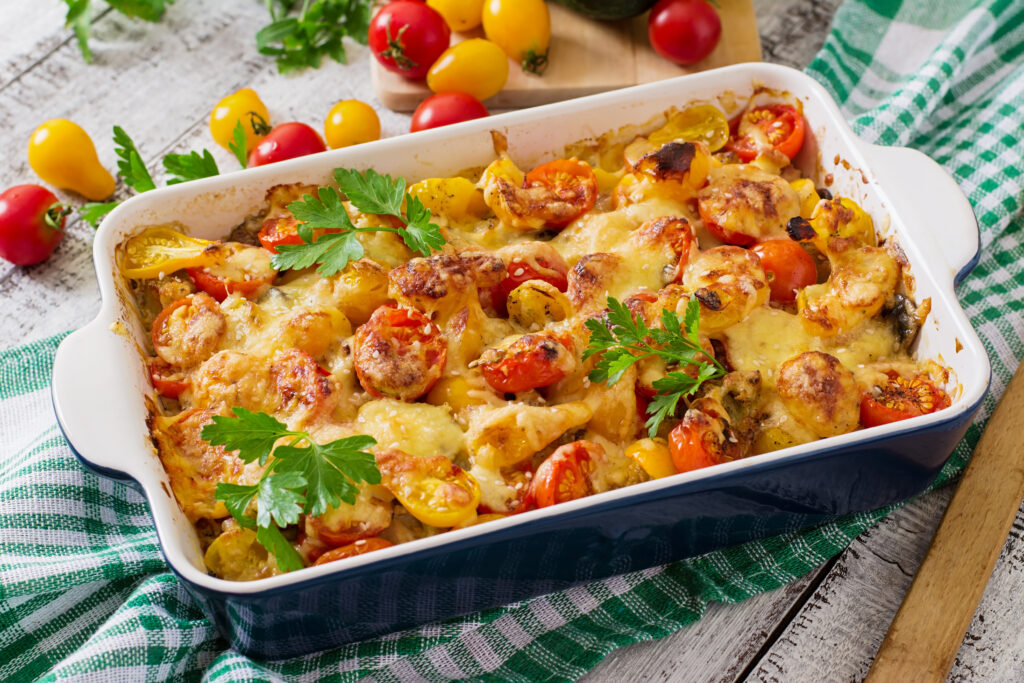
Dutch oven recipes have earned a permanent place in home kitchens for one simple reason: they make cooking easier while delivering deep, satisfying flavor. A Dutch oven can handle everything from soups and stews to bread, braised meats, pasta, casseroles, and even desserts. It moves smoothly from stovetop to oven, holds heat beautifully, and turns everyday ingredients into meals that taste like they took much more effort than they actually did.
For busy families, beginner cooks, and anyone who loves hearty homemade food, Dutch oven recipes offer a practical and reliable way to cook. You can brown, simmer, roast, bake, and serve from the same pot. That means fewer dishes, better flavor development, and a style of cooking that feels both rustic and efficient. Whether you are making a rich beef stew on a cold evening, a pot of chili for game day, or a crusty loaf of bread for the weekend, the Dutch oven makes the process simpler and more rewarding.
This guide covers what makes this cookware so useful, how to get the best results, and a collection of delicious Dutch oven recipes you can make throughout the year. From cozy comfort food to fresh seasonal meals, these recipes show why the Dutch oven remains one of the most versatile tools in any kitchen.
Why Dutch Oven Recipes Work So Well
A Dutch oven is a heavy pot, usually made of cast iron and often coated with enamel. Its thick walls and tight-fitting lid help retain heat and moisture, which is why Dutch oven recipes are so dependable. Once the pot is hot, it stays hot. That steady heat helps ingredients cook evenly and develop a deeper flavor.
This matters especially for recipes that rely on slow cooking. Tougher cuts of meat become tender. Beans soften without falling apart. Soups gain body. Sauces reduce gradually instead of scorching too quickly. Even simple vegetables benefit from the gentle, enclosed cooking environment.
Another reason Dutch oven recipes are so popular is versatility. You can use the pot to sauté onions and garlic, sear meat, add liquid, then move everything into the oven without changing cookware. For people who enjoy practical cooking, that single-pot process is a major advantage.
The Dutch oven is also ideal for home bakers. Its enclosed shape traps steam, which is one reason it produces bakery-style bread with a crisp crust and airy interior. It can also be used for cobblers, baked pasta dishes, and fruit desserts.
How to Choose Ingredients for Dutch Oven Recipes
The best Dutch oven recipes do not always require expensive ingredients. In fact, this kind of cooking often shines brightest with affordable pantry staples and humble produce. Root vegetables, beans, lentils, chicken thighs, beef chuck, canned tomatoes, broth, rice, and seasonal herbs all work beautifully in a Dutch oven.
Because the pot encourages slow flavor development, you can get excellent results from simple combinations. Onion, carrot, celery, garlic, stock, and herbs can become the foundation for many different recipes. Add chicken for a warming braise, beans for a filling vegetarian meal, or pasta for a comforting baked dinner.
When planning Dutch oven recipes, it helps to think in layers. Start with aromatics. Build flavor by browning meat or vegetables. Add liquid and seasonings. Let time and heat bring everything together. This method works for soups, roasts, casseroles, curries, and sauces.
Essential Tips for Better Dutch Oven Recipes
Before getting into the recipes, it helps to understand a few basics that improve results.
First, preheat gradually. A Dutch oven is built to hold heat, so there is no need to blast it on high right away. Medium or medium-low heat is usually enough for sautéing and browning.
Second, do not overcrowd the pot when searing meat. If too much meat goes in at once, it will steam rather than brown. Browning adds flavor, and that flavor becomes part of the entire dish.
Third, use enough liquid for long braises and soups, but do not overdo it. Since a Dutch oven has a lid that traps moisture, liquids do not evaporate as quickly as they do in open pots.
Fourth, choose utensils that protect the surface if your Dutch oven is enameled. Wooden, silicone, or heat-safe plastic utensils are usually best.
Finally, let recipes rest when needed. Stews, braises, and baked pasta often taste even better after sitting for a few minutes. Bread needs cooling time so the crumb sets properly before slicing.
Classic Dutch Oven Beef Stew
One of the most beloved Dutch oven recipes is beef stew. This dish is the definition of comfort food, especially in cooler months. The Dutch oven helps transform beef chuck into tender bites while potatoes, carrots, and onions soak up the rich broth.
Start by seasoning beef cubes with salt and pepper, then brown them in batches with a little oil. Remove the meat and sauté chopped onion, carrots, and celery until softened. Stir in garlic and a spoonful of tomato paste, then sprinkle in a little flour to help thicken the stew. Add beef broth, a splash of red wine if you like, Worcestershire sauce, thyme, bay leaf, potatoes, and the browned beef.
Cover and cook in the oven until the beef is fork-tender and the broth has thickened into a savory gravy-like sauce. The result is deep, rich, and satisfying. Serve it with crusty bread or spoon it over mashed potatoes for an even heartier meal.
This is one of those Dutch oven recipes that tastes even better the next day, making it ideal for meal prep or leftovers.
Dutch Oven Roast Chicken with Vegetables
Few meals feel as classic as roast chicken, and a Dutch oven makes it easy to produce moist meat and flavorful vegetables in one pot. This is one of the best Dutch oven recipes for Sunday dinner, but it is simple enough for any day of the week.
Pat a whole chicken dry and season it generously with salt, pepper, garlic, lemon, and herbs such as rosemary or thyme. In the Dutch oven, layer chunks of carrot, onion, celery, and potato. Place the chicken on top and roast uncovered for part of the cooking time so the skin can brown nicely.
As the chicken cooks, its juices drip down into the vegetables, seasoning everything below. The enclosed environment also helps keep the meat from drying out. When the chicken is done, let it rest before carving. The vegetables become tender and rich, and the drippings can be turned into a quick pan sauce or gravy.
This recipe shows why Dutch oven recipes are so appealing. You get protein, vegetables, and plenty of flavor with very little cleanup.
No-Knead Dutch Oven Bread
Among all Dutch oven recipes, no-knead bread has become one of the most famous. It is surprisingly simple and produces a loaf with a crackling crust and chewy interior that feels bakery-quality.
The dough usually contains just flour, water, salt, and yeast. After mixing, it rests for many hours, allowing gluten to develop naturally. Once the dough is shaped, it goes into a preheated Dutch oven and bakes covered first, then uncovered to deepen the crust color.
The magic comes from the trapped steam. That steam helps the dough expand fully before the crust sets, creating a lofty loaf with an appealing texture. The Dutch oven acts almost like a professional bread oven in a home kitchen.
This bread pairs well with soups, stews, pasta, and roasts. It is also excellent toasted the next morning with butter or jam. If you enjoy baking, this is one of the Dutch oven recipes worth mastering early.
Hearty Dutch Oven Chili
Chili is one of the easiest and most flexible Dutch oven recipes. It works for family dinners, casual gatherings, meal prep, and game-day food. The Dutch oven gives chili enough space to simmer slowly and build complexity over time.
Brown ground beef, turkey, or a plant-based alternative with diced onion and garlic. Add chili powder, cumin, paprika, oregano, salt, and pepper. Stir in canned tomatoes, tomato sauce, beans, and broth or water as needed. For extra depth, some cooks add cocoa powder, coffee, or a small splash of vinegar near the end.
Once it simmers gently, the flavors blend into a thick, comforting dish that can be tailored to your taste. Make it smoky, spicy, mild, or bean-heavy. Top it with shredded cheese, sour cream, green onion, avocado, or crushed tortilla chips.
Dutch oven recipes like chili are especially useful because they scale easily. You can make a smaller batch for dinner or a large pot to feed a crowd.
Dutch Oven Mac and Cheese
Not every Dutch oven recipe has to be rustic or slow-cooked for hours. A Dutch oven is also excellent for creamy stovetop meals that may finish in the oven. Mac and cheese is a perfect example.
Cook pasta until just shy of done, then set it aside. In the Dutch oven, melt butter and stir in flour to make a roux. Whisk in milk until smooth, then add cheese gradually. Cheddar is a favorite, but blends with mozzarella, Monterey Jack, Gruyère, or Parmesan add even more character. Stir the pasta into the sauce and season with salt, pepper, mustard powder, and a small pinch of paprika.
At this point, you can serve it creamy and smooth, or top it with breadcrumbs and bake until golden. The Dutch oven keeps everything warm and evenly heated, making it especially useful for serving at the table or bringing to gatherings.
This is one of the most family-friendly Dutch oven recipes and an easy way to turn a simple box of pasta into something rich and memorable.
Dutch Oven Chicken and Rice
Chicken and rice is one of those timeless meals that feels both economical and comforting. In a Dutch oven, it becomes a one-pot dinner with layered flavor and tender texture.
Start by browning seasoned chicken thighs skin-side down to render some fat and build color. Remove the chicken and sauté onion, garlic, and perhaps celery or bell pepper in the same pot. Stir in uncooked rice so it absorbs the flavor, then add broth, herbs, and the chicken back on top.
Once covered and baked, the rice cooks in the broth and chicken juices while the meat stays moist and flavorful. You can add peas, spinach, mushrooms, or lemon depending on the variation you want. A little fresh parsley at the end brightens the whole dish.
Dutch oven recipes like this are ideal when you want dinner to feel substantial without requiring several pots and pans.
Braised Short Ribs in the Dutch Oven
For a meal that feels restaurant-worthy, braised short ribs are one of the most impressive Dutch oven recipes. They take time, but most of that time is hands-off, and the result is incredibly tender meat in a luxurious sauce.
Season and brown the short ribs well. Remove them, then cook onion, carrot, celery, and garlic in the rendered fat. Add tomato paste, red wine, and beef stock, scraping up the browned bits from the bottom of the pot. Return the ribs, add fresh thyme and bay leaf, then cover and braise in the oven until the meat nearly falls off the bone.
The sauce can be strained or reduced further if you want a smoother finish, but even as-is, it is deeply flavorful. Serve the ribs over mashed potatoes, polenta, or buttered noodles.
This is one of those Dutch oven recipes that shows how the pot excels at slow braising. It turns a tough cut into something rich, tender, and full of depth.
Vegetarian Dutch Oven Lentil Soup
Dutch oven recipes are not only for meat-based comfort food. A Dutch oven is perfect for vegetarian meals too, especially soups and stews that benefit from a steady simmer.
Lentil soup is one of the easiest examples. Sauté onion, carrot, and celery until soft. Add garlic, cumin, thyme, and tomato paste, then stir in rinsed lentils, diced tomatoes, and vegetable broth. Simmer until the lentils are tender and the broth becomes thick and hearty.
You can keep it simple or add spinach, kale, potatoes, or a splash of lemon juice at the end. Red lentils will break down more quickly and create a softer soup, while green or brown lentils hold their shape better.
This is one of the most budget-friendly Dutch oven recipes, and it stores well for lunches throughout the week.
Dutch Oven Lasagna
Lasagna might not be the first thing people think of when they hear Dutch oven recipes, but it works beautifully. A Dutch oven can create a compact, deeply flavorful version of lasagna that is ideal for smaller households or for cooks who want a simplified method.
Begin with a meat sauce or vegetable sauce cooked directly in the Dutch oven. Then layer sauce, noodles, ricotta mixture, mozzarella, and Parmesan as you would in a traditional baking dish. Cover and bake until the noodles soften and the filling becomes bubbly, then uncover briefly to allow the cheese on top to brown.
The shape is different from standard casserole-pan lasagna, but the taste is just as comforting. The Dutch oven’s heat retention helps cook the layers evenly and keep the dish hot for serving.
This is one of the more creative Dutch oven recipes and a good reminder that the pot can go far beyond soups and stews.
Dutch Oven Pot Roast
Pot roast remains one of the most iconic Dutch oven recipes of all time. It is simple, deeply flavorful, and ideal for weekend cooking or a cozy family dinner.
A good chuck roast is usually the best choice. Season it well and sear it on all sides until browned. Remove it, then cook onion, carrot, celery, and garlic in the pot. Add tomato paste, broth, herbs, and a little wine or balsamic vinegar if you want extra depth. Return the roast to the pot along with potatoes if desired.
Cover and cook low and slow until the meat becomes tender enough to pull apart with a fork. The vegetables absorb the cooking liquid, and the broth becomes a savory base for gravy. Serve slices or shredded pieces with vegetables and spoonfuls of the sauce.
Among Dutch oven recipes, pot roast has enduring appeal because it transforms a few basic ingredients into a full meal that feels generous and comforting.
Dutch Oven Baked Ziti
If you love baked pasta, baked ziti is one of the most practical Dutch oven recipes to keep in rotation. It is easier than lasagna but still satisfying and crowd-pleasing.
Cook pasta until slightly underdone. In the Dutch oven, make a quick meat sauce or tomato sauce with onion, garlic, crushed tomatoes, and Italian seasoning. Stir in the pasta, then fold through ricotta or mascarpone if desired. Top generously with mozzarella and Parmesan.
Bake until bubbling and lightly browned on top. The edges become especially flavorful, and the Dutch oven helps maintain even heat throughout the dish. Add spinach, sausage, mushrooms, or roasted peppers for variation.
This is one of those Dutch oven recipes that works for weeknights, but it is also good enough to serve when guests come over.
Dutch Oven Chicken Noodle Soup
Chicken noodle soup is a classic for good reason, and the Dutch oven makes it especially easy to prepare. It has enough capacity for broth, chicken, vegetables, and noodles without crowding, and it maintains a gentle simmer beautifully.
Start with onion, carrot, and celery. Add garlic, herbs, broth, and chicken breasts or thighs. Simmer until the chicken is cooked, shred it, then return it to the pot. Add noodles and cook just until tender.
You can make this soup rich and cozy or light and brothy depending on how much pasta and chicken you use. Fresh parsley, dill, or lemon can brighten the final bowl. Homemade chicken noodle soup is one of the most comforting Dutch oven recipes, especially during colder months or when you want something simple and nourishing.
Dutch Oven Ratatouille
For a vegetable-forward dish, ratatouille is one of the most colorful Dutch oven recipes. It is a wonderful way to use eggplant, zucchini, tomatoes, peppers, garlic, and herbs.
The vegetables can be layered neatly for presentation or cooked more casually into a rustic stew. Either way, the Dutch oven helps everything soften evenly while concentrating the flavors. Olive oil, thyme, basil, and a touch of tomato paste tie the dish together.
Serve ratatouille as a main course with bread or grains, or use it as a side for roasted chicken or fish. It also works as a topping for pasta or polenta. This recipe proves that Dutch oven cooking can feel fresh, bright, and seasonal rather than only heavy and wintery.
Dutch Oven Apple Cobbler
Dessert deserves a place in any roundup of Dutch oven recipes, and apple cobbler is an excellent one to try. The Dutch oven gives the fruit filling a jammy, bubbling texture while the topping bakes into a golden crust.
Toss sliced apples with sugar, cinnamon, a little flour or cornstarch, and lemon juice. Spread them in the Dutch oven, then top with a biscuit-style or cake-style cobbler dough. Bake until the apples are tender and the topping is browned.
The result is warm, fragrant, and perfect with vanilla ice cream. You can use peaches, berries, pears, or mixed fruit depending on the season. Cobbler is one of the easiest Dutch oven recipes for dessert because it is forgiving and does not require fancy technique.
Best Seasonings and Flavor Pairings for Dutch Oven Recipes
One reason Dutch oven recipes stay interesting is that they adapt well to different cuisines and flavor profiles. A few combinations work especially well.
For classic comfort food, use thyme, rosemary, bay leaf, garlic, onion, black pepper, and parsley. These are perfect for pot roast, chicken dishes, and stews.
For smoky or spicy dishes, try chili powder, cumin, paprika, oregano, garlic, and a pinch of cayenne. These flavors fit chili, beans, braised meats, and tomato-based dishes.
For Mediterranean-inspired Dutch oven recipes, use olive oil, basil, oregano, lemon, fennel, garlic, and tomatoes. These ingredients suit braised chicken, white beans, seafood stews, and vegetable dishes.
For cozy baking, cinnamon, nutmeg, vanilla, brown sugar, and fruit are excellent choices. These are ideal in cobblers, baked apples, and rustic desserts.
Because Dutch oven cooking holds flavor so well, seasoning does not need to be complicated. A few thoughtful ingredients often go a long way.
Common Mistakes to Avoid
Even the best Dutch oven recipes can go wrong if a few details are overlooked.
One common mistake is using heat that is too high. Cast iron holds heat efficiently, so medium or lower often works better than expected. High heat can scorch sauces or burn food on the bottom.
Another mistake is lifting the lid too often during braising or baking. Every time the lid comes off, heat and moisture escape. That can affect cooking time and texture.
Some cooks also forget to taste and adjust seasoning near the end. Because Dutch oven recipes simmer and reduce, the flavor can change a lot during cooking. A final pinch of salt, squeeze of lemon, or sprinkle of herbs can make a big difference.
Finally, some recipes need a short rest after cooking. Soups settle, sauces thicken slightly, and roasts become easier to slice.
How to Clean and Care for a Dutch Oven
Proper care helps your Dutch oven stay in great condition for years. Let it cool before washing, especially if it is enameled. Sudden temperature changes can be rough on cookware. Use warm soapy water and a soft sponge for regular cleaning.
For stuck-on food, soak the pot with warm water before scrubbing gently. Avoid metal tools on enamel surfaces. If discoloration appears inside a light-colored Dutch oven, a paste of baking soda and water often helps.
Dry the pot thoroughly before storing it. If you stack cookware, place a soft cloth or paper towel inside to protect the surface. Good maintenance keeps your Dutch oven ready for the next batch of soups, breads, braises, or casseroles.
Meal Planning with Dutch Oven Recipes
Dutch oven recipes are especially helpful for meal planning because many of them improve after a day in the fridge. Stews, chili, soups, braised meats, and pasta bakes often taste even better the next day as the flavors deepen.
You can cook a large batch on Sunday and use it in different ways throughout the week. Pot roast becomes sandwiches, tacos, or grain bowls. Chili can top baked potatoes or rice. Roast chicken turns into soup, salad, or pasta. Lentil soup makes an easy lunch with bread or crackers.
This flexibility makes Dutch oven recipes a smart choice for anyone trying to cook more at home without spending hours in the kitchen every night.
Seasonal Ideas for Dutch Oven Recipes
In fall and winter, Dutch oven recipes naturally lean toward stews, pot roast, chili, braised short ribs, chicken and rice, and apple desserts. These meals make the most of the pot’s warmth and slow-cooking power.
In spring, lighter Dutch oven recipes come into focus. Think lemon herb chicken, vegetable soups, white bean stew, and tomato-based braises with fresh herbs.
In summer, the Dutch oven can still be useful for dishes like ratatouille, one-pot pasta, baked beans, and crusty bread. It is also excellent for outdoor cooking if you enjoy camping or backyard meals.
The pot’s year-round usefulness is one reason so many cooks consider it essential.
Frequently Asked Questions About Dutch Oven Recipes
What are the easiest Dutch oven recipes for beginners?
Some of the easiest choices are chili, chicken noodle soup, beef stew, no-knead bread, and roast chicken with vegetables. These recipes are straightforward, forgiving, and highlight the strengths of the pot.
Can I use a Dutch oven on the stovetop and in the oven?
Yes, that is one of its biggest advantages. Most Dutch ovens are designed for both, though you should always check the manufacturer’s guidance, especially for lid knobs and maximum oven temperature.
Are Dutch oven recipes good for meal prep?
Yes. Many Dutch oven recipes store well and reheat beautifully. Soups, braises, beans, pasta bakes, and roasts are especially meal-prep friendly.
What size Dutch oven is best?
A 5.5- to 7-quart Dutch oven is a practical range for many households. It is large enough for stews, bread, pasta, and roasts without being too bulky for everyday cooking.
Can I bake bread in any Dutch oven?
Many Dutch ovens work well for bread, but the pot should be oven-safe at high temperatures. Enameled cast iron models are common choices for no-knead loaves.
Final Thoughts on Dutch Oven Recipes
Dutch oven recipes continue to stand out because they combine convenience, versatility, and flavor in a way few other cooking methods can match. A single pot can help you produce slow-braised meats, rich soups, one-pot rice dishes, baked pasta, rustic bread, and warm fruit desserts. It simplifies cooking without sacrificing depth or comfort.
For everyday meals, the Dutch oven makes it easier to cook from scratch with confidence. For special occasions, it helps create dishes that feel generous and deeply satisfying. Whether you are new to home cooking or already love spending time in the kitchen, building a collection of reliable Dutch oven recipes is one of the smartest ways to get more from your ingredients and your cookware.
From beef stew and pot roast to bread, chili, cobbler, and roast chicken, these Dutch oven recipes show just how much one pot can do. Once you start using it regularly, it quickly becomes the kind of cookware you reach for again and again.