
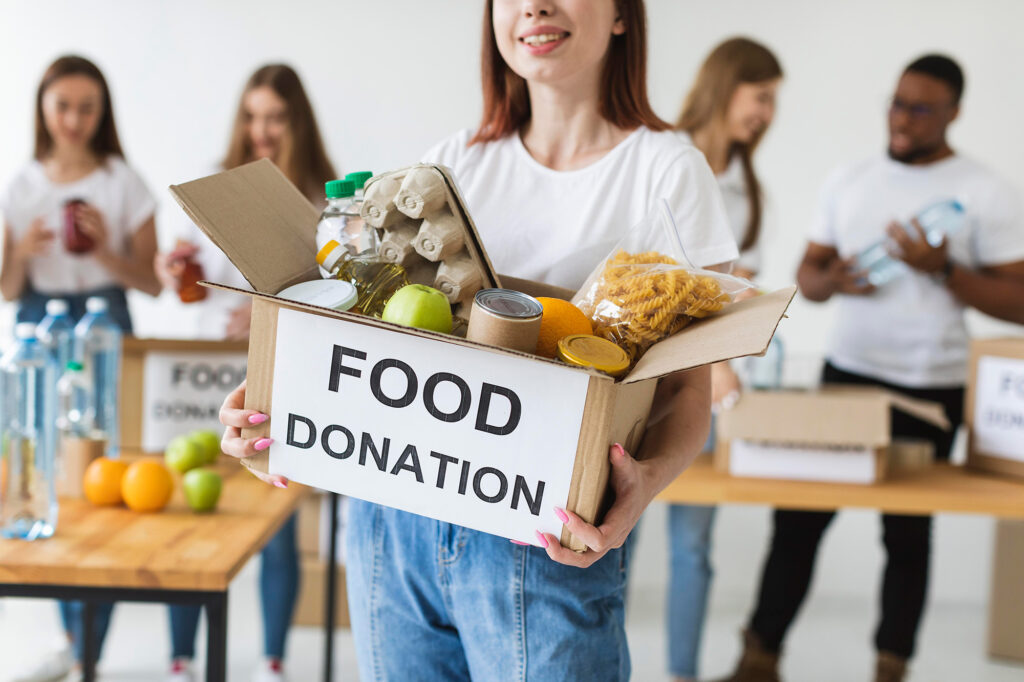
Visiting a food bank for the first time can feel intimidating, especially if you’re unsure how the process works or what will be expected of you. Many people worry about judgment, long lines, or not having the right paperwork. The truth is that food banks exist to help—and they are designed to be welcoming, respectful, and supportive. Knowing what to expect and what to bring can make your first visit smoother, faster, and far less stressful.
What Is a Food Bank and How It Works
A food bank or food pantry provides free groceries and essential food items to individuals and families facing food insecurity. Some food banks operate as large distribution centers that supply smaller pantries, while others serve clients directly. Most modern food banks aim to offer a grocery-store-style experience, allowing visitors to choose items based on their needs, dietary preferences, and family size.
Food banks serve people from all walks of life—working families, seniors, students, newcomers, and individuals facing temporary financial hardship. You are not alone, and needing help is more common than many people realize.
What to Expect During Your First Visit
A Welcoming Environment
Most food banks are run by trained staff and volunteers who understand that asking for help can be difficult. Their goal is to make you feel comfortable and respected. You will not be judged or questioned about why you need assistance.
A Simple Check-In Process
When you arrive, you may be asked to check in at a desk or with a volunteer. This process is usually quick and confidential. Some food banks require registration on your first visit, while others allow walk-ins.
You may be asked basic questions such as:
- How many people are in your household
- Your postal code or neighborhood
- Whether you have dietary restrictions
This information helps ensure fair distribution and appropriate food portions.
Waiting Time
Depending on the food bank’s size and schedule, there may be a short wait. Visiting during off-peak hours—mid-morning or early afternoon—can sometimes reduce wait times.
Food Selection or Pre-Packed Boxes
Some food banks allow you to select items from shelves, similar to shopping. Others provide pre-packed boxes or bags. Either option is designed to provide balanced food, often including:
- Shelf-stable items like pasta, rice, and canned goods
- Fresh produce
- Bread and bakery items
- Dairy or dairy alternatives
- Occasionally meat or protein options
What to Bring to a Food Bank
Requirements vary by location, but bringing a few key items can help ensure a smooth visit.
Identification (If Available)
Some food banks ask for a piece of ID, such as:
- Driver’s license
- Health card
- Student ID
Not all food banks require identification, and lack of ID should never prevent you from receiving help. If you’re unsure, check the food bank’s website or call ahead.
Proof of Address (Sometimes Required)
Certain food banks serve specific areas and may ask for proof of address, such as:
- A utility bill
- Lease agreement
- Mail with your name and address
If you don’t have proof, staff will often help you find an alternative solution.
Reusable Bags or Boxes
While many food banks provide bags, bringing your own reusable bags, backpack, or small cart can make carrying food easier—especially if you’re walking or using public transportation.
Information About Dietary Needs
If you or a family member has allergies, medical conditions, or dietary preferences, let the staff know. Many food banks try to accommodate needs such as:
- Vegetarian or vegan diets
- Halal or kosher options
- Low-sodium or diabetic-friendly foods
Common Concerns and Reassurances
“What if I Take Food Someone Else Needs More?”
Food banks plan distributions based on demand and supply. You are not taking food away from others by using the service—you are using it exactly as intended.
“How Often Can I Visit?”
Each food bank has its own guidelines. Some allow weekly visits, while others operate bi-weekly or monthly. Staff will explain the schedule clearly.
“Will This Affect My Benefits or Taxes?”
Using a food bank does not impact taxes, credit scores, or most government benefits. Food assistance is confidential and separate from financial or employment records.
Tips for a Positive First Visit
- Arrive early if possible
- Be honest about your household size and needs
- Ask questions—staff are there to help
- Take only what you need so food can reach more families
Conclusion
Your first visit to a food bank is a step toward stability, not a setback. Food banks exist to support people through difficult times with dignity and compassion. By knowing what to expect and what to bring, you can walk in with confidence and leave with nutritious food for yourself and your family. Asking for help is a sign of strength—and food banks are there to make sure no one has to face hunger alone.